
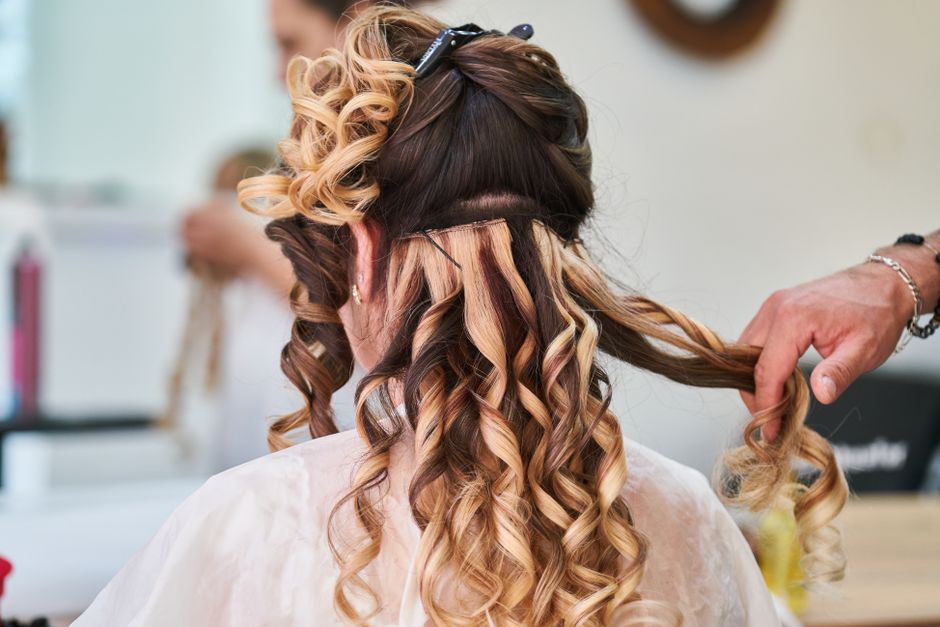
Synthetic hair extensions offer an affordable way to change your hairstyle without damaging your natural hair. They are made from artificial fibers designed to look like human hair, and they attach to your own hair using clips, tape, glue, or weaving techniques. Understanding what they are made of and how they work helps you decide if they are right for you.
What Are Synthetic Hair Extensions And How Do They Work?
Synthetic hair extensions are made from man-made fibers such as polyester, acrylic, or polyvinyl chloride (PVC). These fibers are processed and shaped to mimic the look and feel of natural hair. The extensions work by being attached to your natural hair with clips, adhesive strips, sewing (weave), or bonding glue. Because the fibers are pre-styled during manufacturing, they hold their curl or straightness even after washing, but they cannot be restyled with heat tools unless the product specifically says it is heat-resistant.
What Are Synthetic Hair Extensions Made Of?
The most common materials in synthetic hair extensions are polyester and acrylic. Some higher-quality synthetic fibers use a blend that includes PVC or other polymers to improve texture and shine. Unlike human hair, these fibers are not porous, so they do not absorb moisture or hair dye. The fibers are also pre-colored and pre-styled at the factory, which means the style and color are permanent for the life of the extension.
Some synthetic extensions are labeled as “heat-friendly” or made with heat-resistant fibers. These can be styled with a flat iron or curling iron at low temperatures (usually around 300°F or lower). However, standard synthetic extensions will melt, frizz, or become damaged if exposed to heat.
How Are Synthetic Hair Extensions Applied?
There are several methods for attaching synthetic hair extensions. The most common are:
- Clip-in extensions – small wefts with clips that snap onto your natural hair. They are easy to put in and remove yourself. No professional help is needed.
- Tape-in extensions – thin wefts with adhesive tape on one side. A salon professional sandwiches a thin layer of your natural hair between two taped wefts. They last 4–8 weeks.
- Glue-in or bond extensions – individual strands or small wefts attached with a special adhesive. This method requires professional application and removal.
- Weave or sew-in – your natural hair is braided flat against the scalp, and the extensions are sewn onto the braids with a needle and thread. This method is common for thicker hair types.
The method you choose depends on your hair type, how long you want the extensions to stay in, and your budget.





What Are the Pros and Cons of Synthetic Hair Extensions?
Pros
- Low cost – Synthetic extensions are significantly cheaper than human hair extensions. A full set may cost $20 to $100, while human hair sets often start at $200.
- Pre-styled – The curls, waves, or straightness are set at the factory. You do not need to style them every day.
- Lightweight – Synthetic fibers are lighter than human hair, reducing strain on your natural hair.
- Color variety – Synthetic extensions come in many colors, including vibrant shades that are hard to find in natural hair.
Cons
- No heat styling – Most synthetic extensions cannot be curled or straightened with heat. Heat-friendly types are an exception but still have limitations.
- Shorter lifespan – Synthetic extensions last 1–3 months with proper care, compared to 6–12 months for human hair.
- Less natural look and feel – Even high-quality synthetic fibers can look shinier or feel stiffer than real hair, especially under bright light.
- Cannot be dyed – Because the fibers are not porous, hair dye will not take. You are stuck with the factory color.
How Do You Care for Synthetic Hair Extensions?
Proper care extends the life of synthetic extensions. Follow these general guidelines:
- Wash gently – Use a mild shampoo or one made specifically for synthetic hair. Avoid products with sulfates or alcohol. Wash only when needed, about every 6–8 wears.
- Condition carefully – Use a conditioner designed for synthetic fibers. Human hair conditioners can build up and make the fibers stiff.
- Air dry only – Let extensions dry on a towel or a wig stand. Never use a blow dryer on standard synthetics.
- Brush with care – Use a wide-tooth comb or a brush made for synthetic hair. Start at the ends and work up to avoid snapping fibers.
- Store properly – Keep extensions in a sealed bag or box away from direct sunlight and heat.
If you have heat-friendly synthetic extensions, you can use a flat iron or curling iron on the lowest heat setting (around 250–300°F). Always test on a small hidden section first.
How Do Synthetic Hair Extensions Compare to Human Hair Extensions?
The main differences are cost, durability, styling flexibility, and appearance. Human hair extensions are more expensive but can be styled with heat, dyed, and last much longer. They also look and feel more natural because they are real hair.
Synthetic extensions are cheaper and require less daily styling, but they cannot be dyed and have a shorter lifespan. They are a good option for temporary use, special occasions, or when you want a specific color or style without a big investment. Human hair extensions are better for long-term wear and more natural results.
Some synthetic extensions are designed to imitate specific hair textures, such as straight, wavy, or curly. The fiber quality varies widely by brand. Reading product reviews and checking the material composition can help you make a better choice.
Can Synthetic Hair Extensions Damage Your Natural Hair?
Synthetic extensions themselves do not damage your hair, but the method of attachment and how you care for them can cause harm. Clip-ins and tape-ins that are too tight or left in too long can pull on your natural hair, leading to traction alopecia (hair loss from tension). Weaves sewn too tightly can also stress the hairline.
To reduce the risk, choose a method that matches your hair type and follow removal instructions carefully. Never sleep in clip-ins. Give your scalp and natural hair breaks between applications. If you notice pain, itching, or hair thinning, remove the extensions and consult a dermatologist or trichologist.
Frequently Asked Questions
Can I use heat on synthetic hair extensions?
Only if the extensions are specifically labeled as heat-friendly. Standard synthetic fibers will melt or frizz with heat. Always check the packaging before using any hot tool.
How long do synthetic hair extensions last?
With proper care, synthetic extensions typically last 1 to 3 months. Clip-in sets may last longer if used occasionally and stored correctly.
Can I dye synthetic hair extensions?
No. Synthetic fibers are not porous and do not absorb hair dye. The color is permanent from the factory. If you want a different color, you must buy new extensions.
Are synthetic hair extensions safe for daily wear?
Yes, as long as they are applied correctly and your scalp and natural hair get breaks. Follow the care and removal directions to avoid tension or irritation.
