
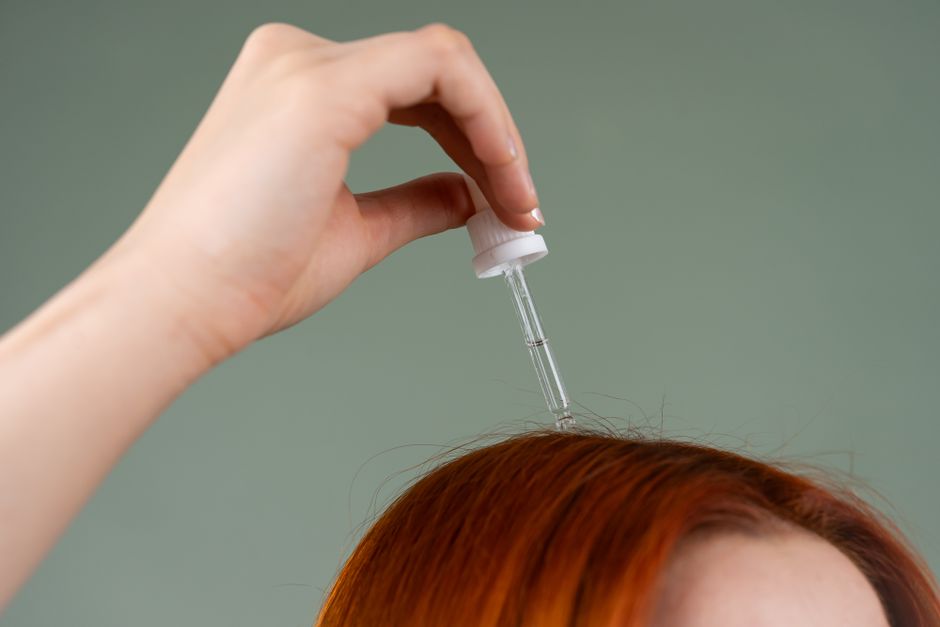
If you have fine hair, you have probably heard conflicting advice about washing it. Some say wash daily, others say once a week. The honest answer is that most people with fine hair do best washing every other day, or about 3 to 4 times per week. Fine hair shows oil faster than thick hair because the strands are thinner and pack together more tightly, giving oil less room to spread out. That means the classic advice to go days between washes often leaves fine hair looking flat and greasy by day two.
Why Does Fine Hair Get Oily So Fast?
Your scalp produces sebum, a natural oil that protects your hair and skin. Sebum travels down each strand from the root to the tip. In thick or coarse hair, that journey takes time because the strand is wider. In fine hair, the strand is narrow, so oil reaches the end quickly. The result is visible grease at the roots within 24 to 48 hours.
Fine hair also has more strands per square inch than coarse hair. More strands mean more surface area for oil to coat, and the strands lie closer together. This makes the oil more visible. It is not that your scalp produces more oil than anyone else’s. It is that the oil has less room to hide.
Hair texture is genetic. You cannot change the diameter of your hair strands. But you can change how you wash and style to work with your texture instead of against it.
How Often Should Fine Hair Really Be Washed?
For most people with fine hair, washing every other day is the sweet spot. This schedule removes buildup before it becomes visible while giving your scalp a break from daily cleansing. Some people with very fine hair or very oily scalps may need daily washing. Others with dry scalps or hair that has been color-treated may stretch to every two to three days.
There is no universal rule that fits everyone. Your activity level, climate, and styling habits all matter. If you exercise daily and sweat heavily, you may need to wash more often. If you live in a dry climate and use minimal products, you may wash less.
The key is to pay attention to how your hair looks and feels on day two. If it looks flat and oily, wash it. If it still has body and movement, you can wait another day.
Can Washing Too Often Damage Fine Hair?
Washing your hair does not damage the hair shaft itself. Water and shampoo do not break the protein bonds that make up your hair. What washing can do is strip away natural oils, leaving hair dry, brittle, and prone to breakage when you brush or style it.
Shampoo contains surfactants, which are cleansing agents that lift oil and dirt from the hair. These surfactants also remove some of the protective lipid layer on each strand. For fine hair, this stripping effect is more noticeable because the strand is thin and has less natural protection to begin with.
This does not mean you should avoid washing. It means you should choose the right shampoo and focus it on your scalp, not your ends. The ends of fine hair are usually older and drier than the roots. Scrubbing them aggressively with shampoo makes them more fragile.
If you wash daily and your hair feels dry or looks frizzy, try a gentler shampoo or wash every other day instead. If your hair feels fine with daily washing, there is no reason to stop based on a rule that does not apply to you.





Does Training Your Hair to Produce Less Oil Actually Work?
You may have heard that washing less often trains your scalp to produce less oil. This claim is widespread on social media and in some hair care marketing. The evidence for it is weak.
Your scalp’s oil production is regulated by hormones, not by how often you wash. There is no solid research showing that skipping washes changes your sebum production over the long term. What happens when you stop washing is that oil builds up on the scalp and hair. After a few days, the buildup becomes visible and often uncomfortable.
Some people report that their hair feels less greasy after weeks of stretching washes. This is likely because product buildup and old oil coat the hair, making it feel heavier and less bouncy. It is not evidence that the scalp changed its oil output.
If you want to wash less often, do it for practical reasons, not because you expect a permanent change in oil production.
What Type of Shampoo Works Best for Fine Hair?
Look for shampoos labeled volumizing or lightweight. These products typically contain milder surfactants and fewer heavy conditioning agents. Heavy conditioners and oils can weigh fine hair down and make it look flat within hours of washing.
A clarifying shampoo once every two weeks can help remove product buildup from styling products, hard water minerals, and excess oil. Do not use clarifying shampoo daily. It is stronger than regular shampoo and can dry out fine hair quickly.
Conditioner is still necessary for fine hair, but it should be applied only to the mid-lengths and ends. Applying conditioner to the scalp adds weight at the root and speeds up the look of greasiness. Rinse thoroughly. Leftover conditioner residue is a common reason fine hair looks limp by midday.
Dry shampoo is a useful tool for stretching a wash by one day. It absorbs oil at the roots and adds texture. It is not a substitute for washing. Overusing dry shampoo without washing can lead to scalp buildup, which may cause itching or flaking.
How Does Styling Affect How Often You Need to Wash?
Styling products change how quickly your hair looks dirty. Heavy creams, oils, and serums coat fine hair and attract dust and oil from the environment. If you use these products daily, you will likely need to wash more often.
Lightweight mousses, texturizing sprays, and powders are better choices for fine hair. They add volume without coating the strand heavily. Even with lightweight products, buildup accumulates over time.
Heat styling also affects your wash schedule. Flat irons and curling wands can make hair look shiny and polished, but they also dry out the ends. If you heat style frequently, washing every day can make the ends more brittle. Washing every other day gives your hair a chance to recover.
Your pillowcase matters too. Cotton pillowcases absorb oil from your hair and skin, but they also create friction that can rough up the hair cuticle. Silk or satin pillowcases create less friction and may help your hair look cleaner for an extra day.
What About Fine Hair That Is Color-Treated?
Color-treated fine hair needs a slightly different approach. Hair color opens the cuticle to deposit pigment, which can leave the hair more porous and drier over time. Washing too often can fade color faster and increase dryness.
If your hair is color-treated, you may need to stretch your washes to every two to three days. Use a shampoo formulated for color-treated hair, which is typically gentler and more pH-balanced. These shampoos are less stripping than standard clarifying formulas.
Dry shampoo becomes more important for color-treated fine hair because it lets you go longer between washes without sacrificing volume. Apply it at night before bed rather than in the morning. This gives the product time to absorb oil while you sleep.
Should You Wash Fine Hair in the Morning or at Night?
This is mostly personal preference, but there is one practical difference. Washing at night lets your hair air dry while you sleep, which reduces heat damage. It also means you wake up with clean hair that has had time to settle.
Washing in the morning gives you fresh, voluminous hair for the day ahead. The trade-off is that you may need to use heat styling to dry it, especially if you have a busy schedule.
If you wash at night, make sure your hair is completely dry before you go to bed. Sleeping with wet hair can cause breakage because wet hair is more elastic and fragile. It can also create an environment where fungal growth on the scalp is more likely, which may contribute to dandruff.
When Should You See a Dermatologist?
If your scalp is itchy, painful, or flaky despite regular washing, see a dermatologist. These symptoms can indicate seborrheic dermatitis, psoriasis, or a fungal infection. These conditions require specific treatments and will not resolve with a different shampoo schedule alone.
Sudden changes in oiliness or hair texture can also be worth a medical visit. Hormonal shifts, thyroid conditions, and certain medications can affect your scalp and hair. If your hair suddenly becomes much oilier or much drier without a clear reason, a doctor can help identify the cause.
Hair loss is another reason to seek medical advice. Losing more than about 100 hairs per day, or noticing visible thinning, is worth discussing with a professional. This is especially true if the hair loss is sudden or patchy.
Frequently Asked Questions
Is it bad to wash fine hair every day?
No, daily washing is not bad for fine hair if you use a gentle shampoo and focus it on the scalp. Daily washing can dry out the ends, so use conditioner only on the mid-lengths and ends.
Can dry shampoo replace washing fine hair?
No, dry shampoo absorbs oil at the roots but does not clean the scalp. It is fine for stretching a wash by one day, but regular washing is still necessary to remove buildup.
How long does it take fine hair to adjust to less washing?
There is no reliable timeline because the scalp does not actually adjust its oil production. What changes is your tolerance for the look and feel of oily hair, which can take a week or two to get used to.
Does conditioner make fine hair look greasy?
Conditioner can make fine hair look greasy if you apply it to the scalp or use a heavy formula. Apply conditioner only from the mid-lengths to the ends and rinse thoroughly.
