
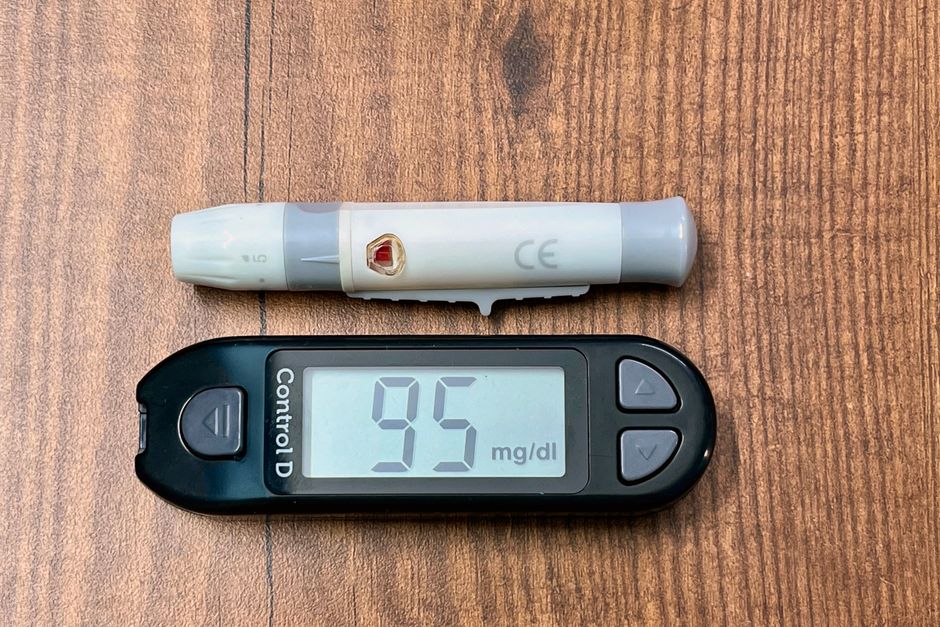
Blood sugar levels tell you how much glucose is in your blood at any given moment. Your body uses glucose for energy, but keeping it in a normal range matters for your health. For most healthy adults, a normal fasting blood glucose level is between 70 and 99 mg/dL. That means you have not eaten for at least eight hours. Levels between 100 and 125 mg/dL point to prediabetes. A reading of 126 mg/dL or higher on two separate tests indicates diabetes. These numbers come from standard clinical guidelines and are used by doctors worldwide.
What Is The Average Glucose Normal Ranges Explained
The average glucose normal ranges depend on when you test. Your blood sugar naturally changes throughout the day based on what you eat, when you eat, and how active you are. Fasting glucose is measured after eight hours without food. Postprandial glucose is measured one to two hours after a meal. A normal postprandial reading is less than 140 mg/dL for most people.
Another important measure is the A1C test, also called hemoglobin A1C. This test shows your average blood sugar over the past two to three months. It measures the percentage of red blood cells that have glucose attached to them. A normal A1C is below 5.7 percent. An A1C between 5.7 and 6.4 percent indicates prediabetes. An A1C of 6.5 percent or higher indicates diabetes. This test does not require fasting and gives a longer-term picture than a single glucose reading.
Random glucose tests can be done at any time of day. A random reading below 140 mg/dL is generally considered normal. A random reading of 200 mg/dL or higher, combined with symptoms like frequent urination or extreme thirst, strongly suggests diabetes. Doctors usually confirm the diagnosis with a fasting test or A1C before making a formal diagnosis.
How Blood Sugar Regulation Works
Your body keeps blood sugar in a tight range through hormones. Insulin and glucagon are the two main players. Insulin lowers blood sugar by helping glucose enter your cells. Glucagon raises blood sugar by telling your liver to release stored glucose.
After you eat, carbohydrates break down into glucose. That glucose enters your bloodstream, and your pancreas releases insulin. Insulin signals your muscle, fat, and liver cells to absorb the glucose. Your blood sugar rises after eating, peaks around one hour later, and then returns to baseline within two to three hours.
Between meals, your blood sugar slowly drops. Your pancreas releases glucagon to keep levels stable. The liver releases stored glucose to maintain energy. This system works continuously, keeping most people in the normal range without any conscious effort.
What Causes Blood Sugar to Go Out of Range
Several factors can push blood sugar outside the normal range. The most common is insulin resistance. This happens when your cells stop responding normally to insulin. Your pancreas has to produce more insulin to get the same job done. Over time, the pancreas may not keep up, and blood sugar rises.
Type 2 diabetes develops gradually. Many people have prediabetes for years without knowing it. Prediabetes means your blood sugar is higher than normal but not high enough for a diabetes diagnosis. Without intervention, prediabetes often progresses to type 2 diabetes.
Type 1 diabetes is different. It is an autoimmune condition where the immune system attacks insulin-producing cells in the pancreas. People with type 1 diabetes produce little or no insulin and require insulin injections for life. It usually appears in childhood or young adulthood.
Other factors that affect blood sugar include stress, illness, certain medications, and sleep. Stress hormones like cortisol raise blood sugar. Steroid medications can also raise blood sugar. Poor sleep affects insulin sensitivity, which may lead to higher fasting levels the next morning.




How to Test Your Blood Sugar
There are two main ways to test blood sugar. The first is a fingerstick test using a glucometer. You prick your finger, place a small drop of blood on a test strip, and the meter gives you a reading in seconds. This test shows your blood sugar at that exact moment.
The second is a continuous glucose monitor, or CGM. A small sensor sits under your skin and measures glucose in the fluid between your cells. It sends readings to a receiver or smartphone app every few minutes. CGMs provide a complete picture of how blood sugar changes throughout the day and night.
Doctors also use lab tests taken from a vein. A fasting plasma glucose test requires an eight-hour fast. An oral glucose tolerance test involves drinking a sugary solution and having blood drawn at intervals. This test is commonly used during pregnancy to screen for gestational diabetes.
If you are healthy with no risk factors, routine screening typically starts at age 45. Earlier screening is recommended if you are overweight, have a family history of diabetes, or have other risk factors. Your doctor can tell you how often to test based on your individual situation.
Normal Ranges by Age and Condition
Normal blood sugar ranges are similar for most adults, but some groups have different targets. Pregnant women are screened for gestational diabetes between 24 and 28 weeks. Gestational diabetes diagnostic thresholds are lower than for non-pregnant adults because pregnancy changes how the body handles glucose.
For people already diagnosed with diabetes, target ranges differ from normal ranges. The American Diabetes Association generally recommends fasting glucose between 80 and 130 mg/dL for adults with diabetes. Postprandial targets are usually below 180 mg/dL. These are treatment goals, not normal ranges, and your doctor may adjust them based on your age, health status, and hypoglycemia risk.
Older adults may have slightly higher targets to avoid dangerous low blood sugar episodes. Hypoglycemia, or low blood sugar, can cause confusion, falls, and unconsciousness. In older adults, the risks of tight control sometimes outweigh the benefits. Your doctor will help set individualized targets.
When to See a Doctor
Many people with prediabetes or early diabetes have no symptoms. That is why routine screening matters. Some symptoms, however, should prompt a medical visit. Frequent urination, excessive thirst, unexplained weight loss, blurry vision, and slow-healing wounds can all signal high blood sugar.
If a home glucose test shows a fasting level above 100 mg/dL, make an appointment with your doctor. One high reading does not mean you have diabetes, but it is worth investigating. Your doctor will repeat the test or order an A1C to confirm.
Urgent medical attention is needed if you have symptoms of very high blood sugar. These include severe dehydration, rapid breathing, confusion, and fruity-smelling breath. These can be signs of diabetic ketoacidosis, a medical emergency that requires immediate treatment.
Low blood sugar below 70 mg/dL is also concerning. Symptoms include shakiness, sweating, rapid heartbeat, and confusion. If you have diabetes and experience these symptoms, treat with fast-acting carbohydrates like juice or glucose tablets. Severe hypoglycemia that causes unconsciousness requires emergency medical care.
Lifestyle Factors That Keep Blood Sugar Normal
Diet is the biggest factor you control. Foods with a low glycemic index raise blood sugar slowly. These include whole grains, legumes, vegetables, and most fruits. Highly processed foods and sugary drinks cause rapid spikes. Fiber slows glucose absorption and helps keep levels steady after meals.
Physical activity improves insulin sensitivity. Muscle cells take up glucose more easily after exercise. Both aerobic exercise and resistance training help. A brisk 30-minute walk most days makes a measurable difference in blood sugar control.
Sleep and stress management also matter. Chronic sleep deprivation is linked to higher fasting glucose and increased insulin resistance. Stress triggers cortisol release, which raises blood sugar. Managing stress through exercise, meditation, or other techniques supports normal glucose regulation.
Weight loss, even modest weight loss, improves glucose control in people with prediabetes. Losing 5 to 7 percent of body weight reduces the risk of progressing from prediabetes to type 2 diabetes. This is one of the most consistent findings in diabetes prevention research.
Frequently Asked Questions
What is a normal blood sugar level after eating?
A normal blood sugar level two hours after eating is below 140 mg/dL for most people. Levels between 140 and 199 mg/dL indicate impaired glucose tolerance, which is a form of prediabetes.
Is 100 mg/dL fasting blood sugar normal?
A fasting blood sugar of 100 mg/dL is at the upper edge of normal but is now classified as prediabetes. The normal fasting range is 70 to 99 mg/dL, and 100 to 125 mg/dL indicates prediabetes.
What is the difference between blood sugar and A1C?
Blood sugar is a real-time measurement of glucose in your blood at a single moment. A1C is a two to three month average of your blood sugar levels and is reported as a percentage.
Can drinking water lower blood sugar?
Water helps your kidneys flush excess glucose through urine, which can temporarily lower blood sugar. Staying hydrated supports normal kidney function, but water does not treat diabetes or replace medical treatment.
