
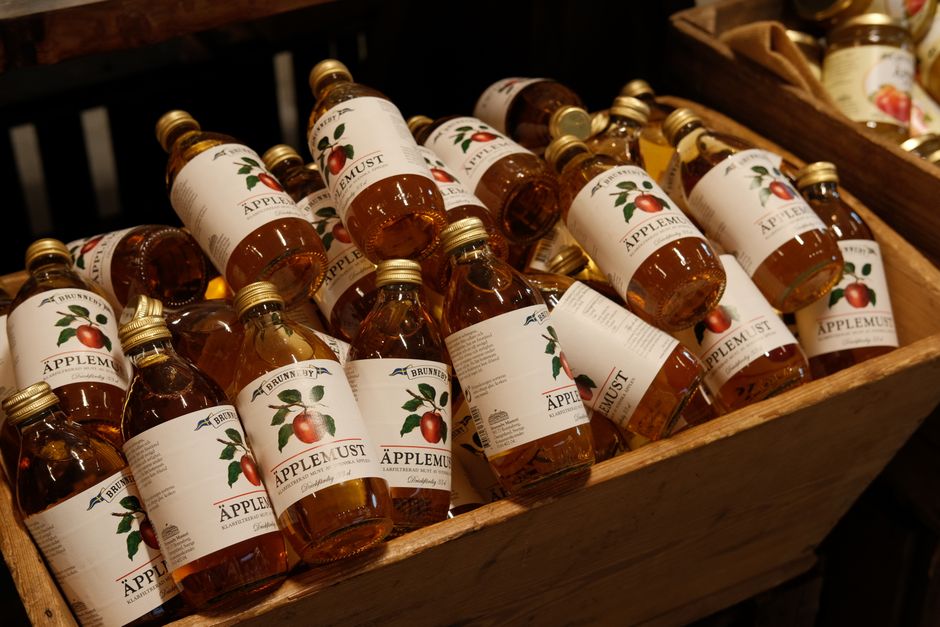
Apple cider vinegar has been studied for its effect on blood sugar, and the evidence is more modest than most headlines suggest. The most consistent finding across small studies is that taking one to two tablespoons of apple cider vinegar diluted in a large glass of water shortly before a meal containing carbohydrates may slightly blunt the post-meal rise in blood glucose. The effect is small, not a substitute for medication or dietary changes, and it does not work for everyone.
How To Take Apple Cider Vinegar To Lower Blood Glucose
The practical approach studied most often is simple: mix one to two tablespoons of apple cider vinegar into 8 to 12 ounces of water and drink it about 15 to 20 minutes before a meal that contains carbohydrates. That timing matters because the vinegar needs to be present in the stomach and small intestine when the food arrives.
Vinegar taken on an empty stomach without food, or hours after a meal, has not shown the same effect in studies. The meal context appears to be part of how it works.
Dilution is not optional. Undiluted vinegar is acidic enough to irritate the esophagus, damage tooth enamel, and cause nausea or a burning sensation in the throat. A tablespoon of vinegar in a full glass of water is the form used in most research. Drinking it through a straw and rinsing your mouth with plain water afterward reduces contact with tooth enamel.
Some people also use vinegar in salad dressings or other foods eaten with a meal. Whether vinegar consumed as part of a meal produces the same effect as vinegar taken in water before the meal has not been directly compared in large studies. The pre-meal diluted drink is the method with the most research behind it.
What Does The Research Actually Show?
The research on apple cider vinegar and blood glucose is real but limited. Most studies are small, short, and involve either healthy adults or people with type 2 diabetes. Results vary between studies and between individuals.
Some studies suggest that vinegar taken with a high-carbohydrate meal can reduce the post-meal glucose spike compared to the same meal without vinegar. The size of the reduction has varied widely across studies, and not all studies found a significant effect. A few small trials have also looked at fasting glucose or insulin sensitivity over weeks of daily vinegar use, with mixed results.
What the evidence does not support is the idea that apple cider vinegar can replace diabetes medication, reverse type 2 diabetes, or manage blood sugar on its own. No large, long-term trial has confirmed that vinegar produces meaningful improvements in A1C, the marker doctors use to assess average blood sugar over about three months.
One clarification worth making: the active compound in vinegar is acetic acid, and it is not unique to apples. White vinegar and other vinegars contain acetic acid too. Apple cider vinegar is simply the type most studied, partly because it is popular.
How Does Vinegar Affect Blood Sugar?
The mechanism is reasonably well understood at a basic level. Acetic acid appears to slow the rate at which the stomach empties into the small intestine, which means glucose from a meal enters the bloodstream more gradually. Slower absorption produces a lower and more spread-out post-meal glucose rise.
Acetic acid may also affect how some enzymes that break down carbohydrates work in the small intestine, and there is evidence it can influence glucose uptake and insulin response at the cellular level. These effects have been studied mostly in laboratory settings and small human trials, so the full picture is not settled.
What this means practically: vinegar is most likely to show an effect when eaten with a meal that contains digestible carbohydrates — bread, rice, potatoes, pasta, sugary foods. A meal that is mostly protein and fat has little glucose rise to blunt, so vinegar has little to work on.
How Much Apple Cider Vinegar Should You Take?
Most studies that found an effect used roughly one to two tablespoons, which is about 15 to 30 milliliters. That amount is the range most often cited, but there is no official recommended dose for blood glucose purposes.
More is not better. Larger amounts increase the risk of throat irritation, nausea, and enamel damage without evidence of a stronger effect. There are case reports of serious complications, including low potassium and esophageal injury, from large or undiluted doses.
If you are considering trying it, the studied approach is one to two tablespoons diluted in a large glass of water before a carb-containing meal. Anyone with kidney disease, low potassium, or a history of ulcers or acid reflux should talk to a doctor before using it. Vinegar can also interact with certain medications, including diuretics and insulin or other glucose-lowering drugs, by adding to their effects.
What Are The Risks And Side Effects?
The most common side effects are heartburn, throat irritation, nausea, and stomach discomfort. These are more likely with undiluted vinegar or large amounts.
Dental enamel erosion is a real concern with regular use. Acid weakens enamel over time, and once enamel is gone it does not grow back. Diluting the vinegar, using a straw, and rinsing with water afterward are reasonable precautions. Waiting at least 30 minutes before brushing your teeth after drinking vinegar is also a sensible step, since brushing immediately after acid exposure can wear enamel further.
Vinegar can lower potassium levels when taken in large amounts or over long periods, and there are case reports of this causing problems in people who used it heavily. It can also worsen acid reflux and may irritate existing ulcers or gastritis.
Apple cider vinegar is not safe to take in large doses, and there are no established guidelines for its use in pregnancy, breastfeeding, or in children. No clinical guidelines currently exist for those groups, and it is generally recommended that they avoid medicinal use of vinegar.
Does Apple Cider Vinegar Replace Diabetes Treatment?
No. This is the most important point in this article. Apple cider vinegar is not a treatment for diabetes, prediabetes, or any other condition, and it should never be used in place of prescribed medication, monitored diet, or exercise.
For people with type 2 diabetes, the interventions with strong evidence behind them are weight management, dietary changes, physical activity, and medications when indicated. Vinegar, at best, is a small add-on that some people may choose to try alongside those measures.
If you take insulin or a medication that can cause low blood sugar, adding vinegar could theoretically increase the risk of a low. Talk to your doctor before combining them, and monitor your blood sugar as directed.
For people without diabetes who are simply curious about blood sugar spikes, the evidence for vinegar is even thinner. The post-meal glucose rise in a healthy person is a normal physiological response, and there is no established reason to try to blunt it with vinegar.
Practical Summary
- Mix one to two tablespoons of apple cider vinegar into 8 to 12 ounces of water.
- Drink it about 15 to 20 minutes before a meal that contains carbohydrates.
- Use a straw and rinse your mouth with water afterward to protect tooth enamel.
- Do not drink it undiluted or in large amounts.
- Do not use it as a replacement for diabetes medication or medical care.
- Talk to a doctor first if you have kidney disease, low potassium, acid reflux, ulcers, or take glucose-lowering medication.
The research on apple cider vinegar and blood glucose is interesting but not strong. It may produce a small, short-term reduction in post-meal glucose for some people when taken with a carb-containing meal. It is not a cure, not a substitute for treatment, and not something to rely on for managing diabetes.
Frequently Asked Questions
How much apple cider vinegar should I take for blood sugar?
Most studies used one to two tablespoons diluted in a large glass of water before a meal. There is no official recommended dose for blood glucose purposes, and larger amounts are not more effective.
When should I drink apple cider vinegar for blood sugar?
The studied timing is about 15 to 20 minutes before a meal that contains carbohydrates. Taking it without food or hours after eating has not shown the same effect.
Can apple cider vinegar lower blood sugar on its own?
No. Any effect is small and short-term, and it does not replace medication, diet, or exercise for managing diabetes. No large long-term trial has confirmed it lowers A1C.
Is it safe to drink apple cider vinegar every day?
Small daily amounts diluted in water are generally tolerated, but regular use can erode tooth enamel and cause heartburn or throat irritation. People with kidney disease, low potassium, or acid reflux should ask a doctor first.
