
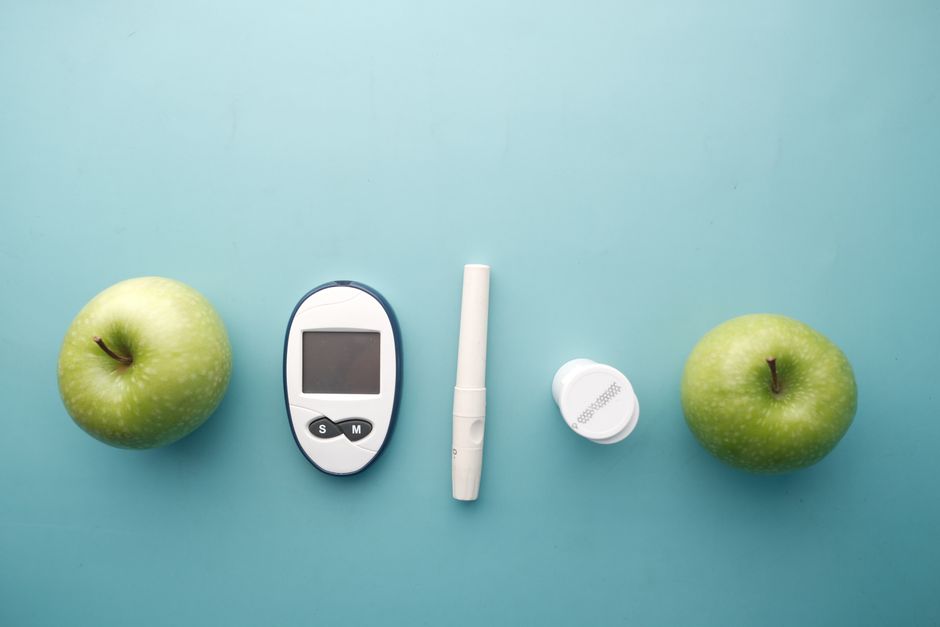
High blood glucose means there is too much sugar circulating in your blood. For most adults, a fasting glucose of 100 to 125 mg/dL points to prediabetes, and 126 mg/dL or higher on two separate tests points to diabetes. The tricky part is that high glucose often causes no symptoms at all until it has been elevated for a while.
That silence is why so many people find out through a routine blood test rather than because they felt something was wrong. When symptoms do show up, they tend to be easy to dismiss — thirst, tiredness, getting up at night to urinate.
What Is a High Glucose Level?
Blood glucose is the amount of sugar in your bloodstream at a given moment. It rises and falls through the day based on what you eat, how active you are, stress, illness, and how well your body moves sugar out of the blood and into cells.
Two hormones do most of that work. Insulin, made by the pancreas, signals cells to take in glucose. Glucagon signals the liver to release stored glucose when levels drop. In a healthy system, these two keep blood sugar inside a fairly narrow range.
High glucose, called hyperglycemia, means that system is not keeping up. Either the pancreas is not making enough insulin, or cells are not responding to it well, or both. When glucose stays high, it does not just sit there harmlessly. It binds to proteins throughout the body and damages blood vessels and nerves over time.
The word “high” depends on context. A reading that is high two hours after a meal is normal. The same reading after an eight-hour fast is not.
What Are the Normal and High Glucose Ranges?
There are three standard ways to measure glucose, and each has its own thresholds. The numbers below come from widely used diagnostic criteria established by the American Diabetes Association.
| Test | Normal | Prediabetes | Diabetes |
|---|---|---|---|
| Fasting glucose (no food for at least 8 hours) | Below 100 mg/dL | 100–125 mg/dL | 126 mg/dL or higher |
| 2-hour glucose (after a 75g drink, oral glucose tolerance test) | Below 140 mg/dL | 140–199 mg/dL | 200 mg/dL or higher |
| A1C (average over about 3 months) | Below 5.7% | 5.7–6.4% | 6.5% or higher |
For diabetes, a diagnosis usually requires two abnormal tests, or one clearly abnormal test plus symptoms. A single high reading is not automatically a diagnosis.
If you already have diabetes, target ranges are different and are set with your clinician. In general, many people with diabetes aim for a fasting glucose around 80–130 mg/dL and an A1C below 7%, but individual targets vary based on age, other health conditions, and how long you have had diabetes.
Two other terms are worth knowing. Hypoglycemia is low blood sugar, generally below 70 mg/dL. Severe hyperglycemia is a different situation entirely — very high glucose with dehydration and confusion can be a medical emergency.
What Are the Symptoms of High Glucose?
Early on, there may be none. This is the single most important thing to understand about high glucose. Prediabetes and mild type 2 diabetes are usually silent for years.
When glucose climbs higher, the classic symptoms appear. They come from one mechanism: when blood glucose exceeds what the kidneys can reabsorb, the extra sugar spills into urine. Sugar in urine pulls water with it, which is why the symptoms cluster around fluid loss.
- Increased thirst
- Frequent urination, especially waking at night to urinate
- Blurred vision
- Fatigue and low energy
- Unexplained weight loss
- Slow-healing cuts or bruises
- Tingling, numbness, or burning in the hands and feet
- More frequent infections, such as urinary tract or yeast infections
- Dry mouth and dry skin
Blurred vision happens because the lens of the eye swells when glucose changes, not because of permanent damage. It usually improves when glucose comes back down.
Weight loss in type 2 diabetes seems counterintuitive, but it makes sense. When cells cannot use glucose, the body burns fat and muscle for fuel. That is also why fatigue is so common.




Why Do Some People Have Symptoms and Others Do Not?
How long glucose has been high matters more than how high it is on any single day. The body adapts to a slow rise. Someone whose glucose drifts upward over five years may feel completely normal, while someone whose glucose spikes quickly over weeks may feel unwell fast.
Type 1 diabetes tends to produce symptoms quickly because insulin production drops sharply. Type 2 diabetes usually develops slowly, which is why it can go undetected for a long time.
Age plays a role too. Older adults may have fewer or less obvious symptoms. So can people who take certain medications, including steroids, which can raise glucose directly.
There is a common misconception worth correcting: you cannot judge your blood sugar by how you feel. Many people with A1C levels in the diabetes range report no symptoms at all. Feeling fine is not evidence that glucose is normal.
What Causes High Glucose?
High glucose results from too little insulin, poor insulin response, or both. What drives that varies.
Type 1 diabetes is an autoimmune condition. The immune system attacks the insulin-producing cells in the pancreas. It is not caused by diet or lifestyle.
Type 2 diabetes accounts for the large majority of cases. It develops when the body becomes resistant to insulin and the pancreas cannot keep up. Genetics, body weight, physical activity, and age all contribute. It is not a simple matter of willpower.
Other causes include:
- Medications such as corticosteroids, some antipsychotics, and certain diuretics
- Stress and illness — the body releases hormones that raise glucose
- Infections, which can push glucose up temporarily
- Pregnancy, in the form of gestational diabetes
- Conditions affecting the pancreas, such as pancreatitis
- Some genetic forms of diabetes
Certain conditions can push glucose dangerously high, including diabetic ketoacidosis and hyperosmolar hyperglycemic state. Both are medical emergencies. Signs include extreme thirst, confusion, nausea, rapid breathing, and a fruity smell on the breath. These require immediate medical care.
When Should You Get Your Glucose Checked?
Screening is recommended for most adults starting at age 35, and earlier for people with risk factors such as a family history of diabetes, a history of gestational diabetes, or being overweight. How often to repeat depends on your results and risk factors.
Testing is straightforward. A fasting glucose test requires no food for at least eight hours. An A1C test needs no fasting at all, which makes it easy to fit into a routine visit.
If you have symptoms like unusual thirst, frequent urination, or unexplained weight loss, do not wait for a scheduled screening. Those symptoms warrant a prompt visit.
Managing high glucose is a long-term project, not a quick fix. Blood sugar that runs high for years raises the risk of damage to the eyes, kidneys, nerves, heart, and blood vessels. That risk is real and well documented. What is also well documented is that bringing glucose down reduces that risk, and the earlier it happens, the better.
If you are concerned about your numbers, the next step is a conversation with your clinician and a blood test. Guessing from symptoms alone is not reliable, and the tests are simple.
Frequently Asked Questions
What is a dangerously high blood sugar level?
Blood glucose above 250 mg/dL with symptoms such as confusion, dehydration, or rapid breathing may signal a medical emergency and needs urgent care. There is no single number that defines danger for everyone, so symptoms matter as much as the reading.
Can you have high blood sugar without symptoms?
Yes, and it is common. Many people with prediabetes or early type 2 diabetes feel completely normal because glucose rises slowly over years. That is why routine testing matters more than how you feel.
What is the difference between prediabetes and diabetes?
Prediabetes means fasting glucose is 100–125 mg/dL or A1C is 5.7–6.4%. Diabetes means fasting glucose is 126 mg/dL or higher, or A1C is 6.5% or higher, confirmed on repeat testing.
Does feeling thirsty mean my blood sugar is high?
Thirst can be a sign of high glucose, but it has many other causes, including dehydration and certain medications. A blood test is the only way to know whether glucose is the reason.
