
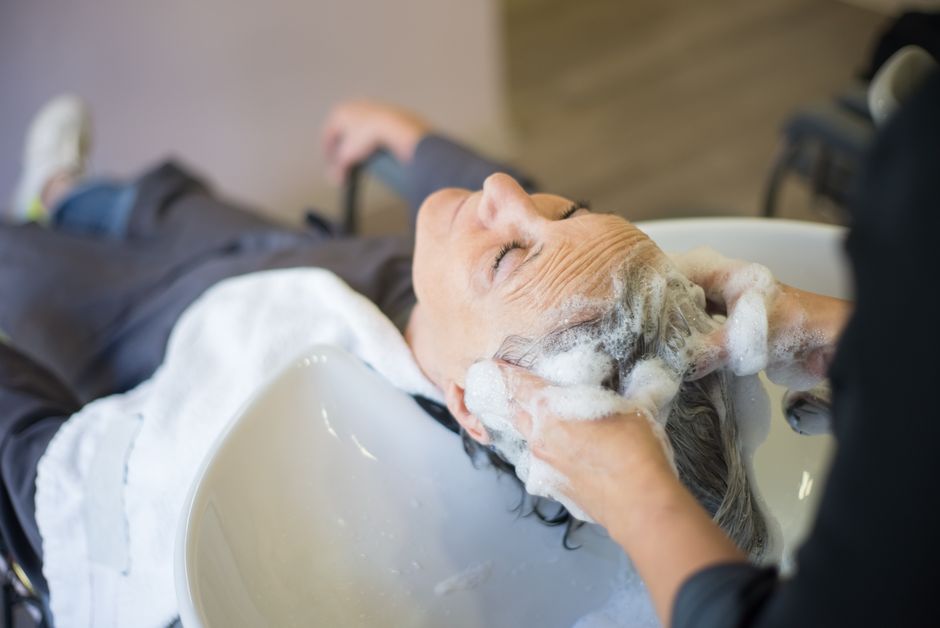
Sulfate free shampoo is a cleansing product that uses alternative surfactants instead of sulfates — most commonly sodium lauryl sulfate (SLS) and sodium laureth sulfate (SLES) — which are the detergents that create the rich lather in most conventional shampoos. Instead, sulfate free formulas rely on gentler cleansing agents derived from plant sources like coconut or glucose. The goal is to clean hair and scalp effectively while stripping away less of the natural oils that keep hair moisturized and protected.
What Are Sulfates and Why Do Shampoos Use Them?
Sulfates are strong detergents. They are highly effective at breaking down oil and dirt, which is why they have been a staple in personal care products for decades. In shampoo, they create that thick, foamy lather many people associate with getting clean.
The two most common sulfates in shampoo are sodium lauryl sulfate and sodium laureth sulfate. They are also found in dish soaps, laundry detergents, and body washes. Their cleaning power is real and well documented. The trade-off is that they can be too effective for hair. They can strip away the scalp’s natural sebum, the protective oil layer, which can leave hair feeling dry, brittle, or frizzy after washing.
For people with normal, oily hair, sulfates are generally not harmful. For people with dry hair, curly hair, color-treated hair, or sensitive skin, the harshness can become a problem. This is where the sulfate free category has grown so quickly.
How Does Sulfate Free Shampoo Work?
Sulfate free shampoos replace SLS and SLES with milder surfactants. Common alternatives include sodium coco-sulfate, cocamidopropyl betaine, and decyl glucoside. These ingredients are often derived from coconut oil, palm kernel oil, or corn glucose. They still lift dirt and excess oil from the hair, but they do it without aggressively removing the entire lipid barrier.
The result is a noticeably different washing experience. Sulfate free shampoo produces less lather. The foam is thinner and creamier, not the billowing suds you get from conventional formulas. This is not a sign that the shampoo is not working. Lather is mostly cosmetic. The cleansing agents are still active, just gentler.
It often takes a few washes for hair to adjust. During the transition period, hair may feel heavier or greasier as the scalp recalibrates its oil production. For some people this adjustment lasts a week. For others it takes a month. This is normal and is not a reason to stop using the product.
Who Should Consider Switching to Sulfate Free Shampoo?
Sulfate free shampoo is not necessary for everyone. If your hair is fine, oily, and you wash daily, a standard shampoo may work perfectly well. The evidence does not show that sulfates are harmful or toxic in the concentrations used in rinse-off personal care products. The decision is about what your hair needs, not about safety scares.
That said, certain groups tend to benefit more consistently from avoiding sulfates:
- People with color-treated hair: Sulfates can accelerate fading by opening the cuticle and washing out dye molecules. Many colorists recommend sulfate free products to preserve the life of the color.
- People with curly or coily hair: Curly hair is naturally drier because the oils from the scalp have a harder time traveling down the hair shaft. Removing those oils with harsh detergents makes frizz and breakage worse.
- People with dry or damaged hair: If the hair shaft is already compromised, a gentler cleanser can prevent further moisture loss.
- People with sensitive skin or scalp conditions: Sulfates are known skin irritants at certain concentrations. People with eczema, seborrheic dermatitis, or general scalp sensitivity often find sulfate free formulas less irritating.
There is no clinical guideline that says everyone should use sulfate free shampoo. It is a personal choice based on hair type, scalp sensitivity, and styling habits.





Does Sulfate Free Shampoo Actually Preserve Hair Color?
Yes, but the effect is modest. Research supports the idea that harsher detergents strip color faster. Sulfate free formulas generally cause less color fading per wash compared to conventional shampoos. However, no shampoo can fully prevent fading. Heat styling, sun exposure, and the chemical process of coloring itself all contribute to color loss.
If you spend money on professional color, a sulfate free shampoo is a reasonable investment. If you use a box dye from the drugstore, the difference will still be noticeable but less dramatic. The evidence here is consistent enough that most dermatologists and hair care professionals recommend sulfate free products for color-treated hair without hesitation.
Are Sulfates Dangerous or Toxic?
No. This is the most important clarification in this entire topic. The internet is full of claims that sulfates cause cancer, organ damage, or severe toxicity. These claims are not supported by scientific evidence. Regulatory agencies, including the FDA, have not classified SLS or SLES as carcinogens in the concentrations used in personal care products.
What is true is that sulfates can be irritating. At high concentrations, SLS is a known skin irritant and can cause contact dermatitis in sensitive individuals. This is why some people experience a dry, itchy scalp after washing with certain shampoos. But irritation is not toxicity. The two are very different things.
SLES is sometimes contaminated with 1,4-dioxane, a byproduct of the manufacturing process. 1,4-dioxane is classified as a probable human carcinogen. However, reputable manufacturers test their products to ensure 1,4-dioxane levels are within safe limits. This is a manufacturing quality issue, not a reason to avoid all sulfated cleansers. If you want to avoid the concern entirely, sulfate free shampoo is a valid option, but it is not a medical necessity.
What Are the Downsides of Sulfate Free Shampoo?
Sulfate free shampoo is not universally better. There are genuine downsides that are rarely discussed.
First, it does not clean as deeply. For people who use heavy styling products, silicones, or waxes, sulfate free shampoo may not remove buildup effectively. This can lead to dull, weighed-down hair over time. Some people need to use a clarifying shampoo once or twice a month to reset the hair.
Second, the low-lather experience is off-putting for some. If you are used to a rich foam, the transition can feel unsatisfying. It is a psychological adjustment as much as a physical one.
Third, sulfate free shampoos are often more expensive. The alternative surfactants cost more to produce, and the formulas require more careful balance to be effective. You may pay a premium for a product that does not perform as well for your specific hair type.
Finally, some sulfate free formulas are heavy. They often contain added oils or conditioning agents to compensate for the lack of detergents. For fine hair, this can cause limpness or greasiness. It is not uncommon for people with fine hair to try sulfate free shampoo and find their hair looks worse, not better.
How to Choose a Sulfate Free Shampoo
Look at the ingredient list. The first ingredient in any shampoo is almost always water. The second and third ingredients are the primary cleansing agents. If SLS or SLES appear near the top, the product is not sulfate free, regardless of what the label claims.
Look for surfactant names like sodium coco-sulfate, cocamidopropyl betaine, lauryl glucoside, coco-glucoside, or decyl glucoside. These are the gentler alternatives. Some products labeled “sulfate free” still contain sodium coco-sulfate, which is technically a sulfate but a much milder one derived from coconut oil. It is not the same as SLS or SLES. Whether this matters to you depends on whether you are avoiding sulfates for sensitivity reasons or strictly for label reasons.
If you have dry or curly hair, look for formulas with added humectants like glycerin or aloe vera. If you have fine hair, look for lightweight formulas that do not contain heavy oils like coconut oil or shea butter at the top of the ingredient list. If you have a sensitive scalp, avoid added fragrance, which is a common irritant independent of sulfates.
Frequently Asked Questions
Will sulfate free shampoo make my hair greasy?
It can during the transition period. Your scalp is used to producing oil to compensate for the stripping effect of sulfates, and it takes time to adjust to a gentler cleanser.
Can I use sulfate free shampoo every day?
Yes, daily use is generally safe. However, if your hair feels dry or weighed down, washing less frequently or alternating with a clarifying shampoo may work better.
Is sulfate free shampoo safe for children?
Yes, sulfate free shampoo is safe for children and is often recommended for kids with sensitive skin or eczema. No clinical guidelines require its use, but it is a reasonable option for children with scalp irritation.
Does sulfate free shampoo help with dandruff?
It depends on the cause. Sulfate free shampoo may reduce irritation if your dandruff is linked to a dry, sensitive scalp. If dandruff is fungal in origin, you need an active anti-dandruff ingredient like zinc pyrithione or ketoconazole, not just a sulfate free formula.
Sulfate free shampoo is a legitimate product category with real benefits for certain hair types and scalp conditions. It is not a medical treatment, and it is not inherently superior to conventional shampoo. The right choice depends on your hair, your scalp, and your styling routine. If you are unhappy with how your hair feels after washing, trying a sulfate free formula is a reasonable step. If your current shampoo works well, there is no evidence-based reason to switch.
