
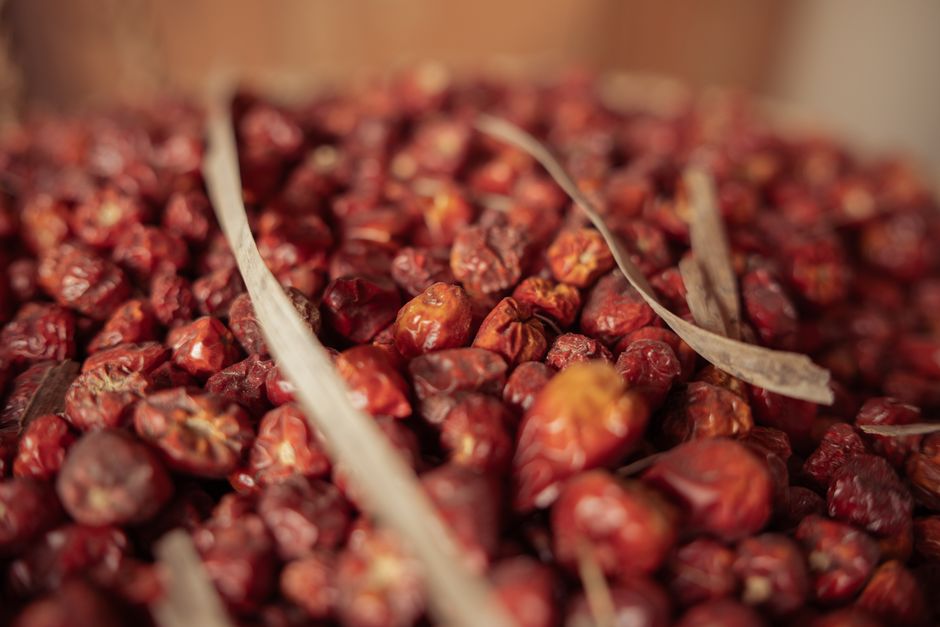
Jujube fruit is a small, sweet fruit that grows on the jujube tree, a plant native to southern Asia and cultivated for thousands of years. In fresh form it looks and crunches something like a small apple or a date. When dried, it turns dark, wrinkled, and chewy, and it is often sold as a snack called a “red date” or “Chinese date.” The scientific name of the tree is Ziziphus jujuba, and it should not be confused with the gelatinous candy also called jujube that many Americans grew up eating — that candy is a manufactured product, not the fruit.
People eat jujube fresh, dried, or cooked into teas, soups, and desserts. It also shows up in herbal supplements and traditional medicine. What follows is an honest look at what jujube is, what nutrients it contains, and what the research does and does not show.
What Is Jujube Fruit and Where Does It Come From?
Jujube is the fruit of a hardy deciduous tree in the buckthorn family, native to regions of China, India, and surrounding parts of Asia. It has been cultivated there for several thousand years, and it remains a common food and traditional remedy across much of East and South Asia.
The tree produces small oval fruits that start green, ripen to a reddish-brown, and can be eaten at several stages. Fresh jujubes are crisp and mildly sweet, with a texture some compare to a pear or apple. Dried jujubes are dense, sticky, and much sweeter, with a flavor often described as similar to a date.
Jujube is grown commercially in parts of the United States as well, particularly in warmer, drier regions. You may find it at farmers markets, Asian grocery stores, or specialty retailers, fresh in season or dried year-round.
What Nutrients Does Jujube Fruit Contain?
Fresh jujube is a decent source of vitamin C and contains some fiber, potassium, and smaller amounts of other vitamins and minerals. Its nutritional profile shifts notably depending on whether it is eaten fresh or dried.
Drying removes water, which concentrates the sugars and calories. That means dried jujube is considerably higher in sugar and calories per ounce than the fresh fruit. This is a general principle that applies to nearly all dried fruit, not something unique to jujube.
Exact nutrient values vary by variety, growing conditions, and how the fruit is processed. USDA nutritional data for jujube is limited compared with more common fruits, so precise figures should be treated with some caution. What can be said with confidence is that jujube is a carbohydrate-rich fruit, and the dried form is high in sugar.
- Fresh jujube: higher water content, lower sugar per ounce, some vitamin C
- Dried jujube: concentrated sugar and calories, chewy texture
- Both forms: contain fiber and small amounts of minerals
Is Jujube Fruit the Same as the Jujube Candy?
No. This is one of the most common points of confusion, and it is worth clearing up directly. The chewy, gelatinous candy sold as “jujubes” in the United States has nothing to do with the jujube fruit.
The candy is a confection made from sugar, corn syrup, starch, and flavorings. The name is a coincidence of marketing history, not a reflection of ingredients. If you are looking for the actual fruit, you want fresh or dried jujube, sometimes labeled “red date” or “Chinese date.”
The distinction matters because people sometimes assume the candy offers the same nutritional benefits as the fruit. It does not. The candy is a sweet treat with little nutritional value, while the fruit is a whole food with some nutrients.



What Is Jujube Used For?
Jujube is eaten as a snack and used as an ingredient in many traditional dishes. In Chinese cuisine, dried jujube is added to soups, congee, and herbal teas, both for flavor and for its long-standing role in traditional medicine.
In traditional Chinese medicine, jujube has been used for a wide range of purposes, including as a calming agent and a digestive aid. It is also a common ingredient in herbal formulas. These traditional uses are long-standing, but traditional use is not the same as proven clinical benefit.
In modern Western markets, jujube appears in supplements and teas marketed for sleep, stress, and general wellness. Those marketing claims deserve scrutiny, which the next section addresses.
Does Jujube Have Proven Health Benefits?
The honest answer is that the evidence is limited, and much of it comes from laboratory or animal studies rather than large human trials. This does not mean jujube is worthless, but it does mean claims should be treated cautiously.
Some laboratory research has examined compounds in jujube for antioxidant and anti-inflammatory activity. Antioxidants are substances that can neutralize unstable molecules called free radicals, and many plant foods contain them. Finding antioxidant activity in a lab dish, however, does not establish that eating the fruit produces a meaningful health benefit in people. That gap between lab findings and real-world outcomes is one of the most common sources of overstated health claims.
Some small human studies have looked at jujube for sleep or relaxation, but these studies tend to be small, and results vary. No large, well-controlled human trial has confirmed that jujube treats insomnia, anxiety, or any specific medical condition. Anyone marketing jujube as a proven remedy for these problems is going beyond what the evidence supports.
What can be said fairly: jujube is a whole fruit that contains some nutrients, and it can be part of a varied diet. It is not a medicine, and it has not been shown to cure or prevent disease.
Are There Any Risks or Cautions?
For most people, eating jujube as a food is unlikely to cause problems. But there are a few points worth knowing.
Dried jujube is high in sugar, so people watching their blood sugar or managing diabetes may want to be mindful of portions. This is the same consideration that applies to other dried fruits like raisins and dates.
Jujube may interact with certain medications, particularly sedatives and some psychiatric drugs, based on its traditional use as a calming agent. The evidence for these interactions is not strong, but the possibility is worth raising with a doctor or pharmacist if you take such medications regularly. This is a case where caution is reasonable even without firm data.
Jujube seeds contain a hard pit, and the seeds themselves should not be eaten. There have been rare reports of digestive problems from swallowing the pits. As with any new food, if you have allergies or a sensitive stomach, start with a small amount.
No clinical guidelines currently exist for jujube use in pregnant women, infants, or young children. If you are in one of these groups, or considering jujube supplements rather than the fruit itself, talk to a healthcare provider first.
How Do You Eat Jujube Fruit?
Fresh jujube can be eaten out of hand like an apple, though you may want to avoid the central pit. It can also be sliced into salads or eaten with cheese. The flavor is mild and sweet.
Dried jujube is often eaten as a snack, but it is also commonly simmered in water to make tea or added to soups and stews. In many traditional recipes, the dried fruit is cooked until soft and its sweetness infuses the liquid.
If you are new to jujube, the dried form is the easiest to find and the most versatile for cooking. Just keep in mind that it is concentrated in sugar, so a little goes a long way.
Frequently Asked Questions
What does jujube fruit taste like?
Fresh jujube is crisp and mildly sweet, somewhat like a small apple or pear. Dried jujube is chewier and sweeter, with a flavor often compared to a date.
Is jujube fruit the same as a date?
No, they are different fruits from different plants, though dried jujube is sometimes called a “red date” or “Chinese date” because of its similar appearance and sweetness. The name is a nickname, not a botanical classification.
Can jujube fruit help you sleep?
Some small studies and traditional use suggest a possible calming effect, but no large, well-controlled human trial has confirmed that jujube treats insomnia. The evidence is limited, so it should not be relied on as a sleep treatment.
Is it safe to eat jujube every day?
For most people, eating jujube as part of a normal diet is unlikely to cause harm. Because the dried form is high in sugar, people managing blood sugar may want to limit portions and check with a doctor.
