
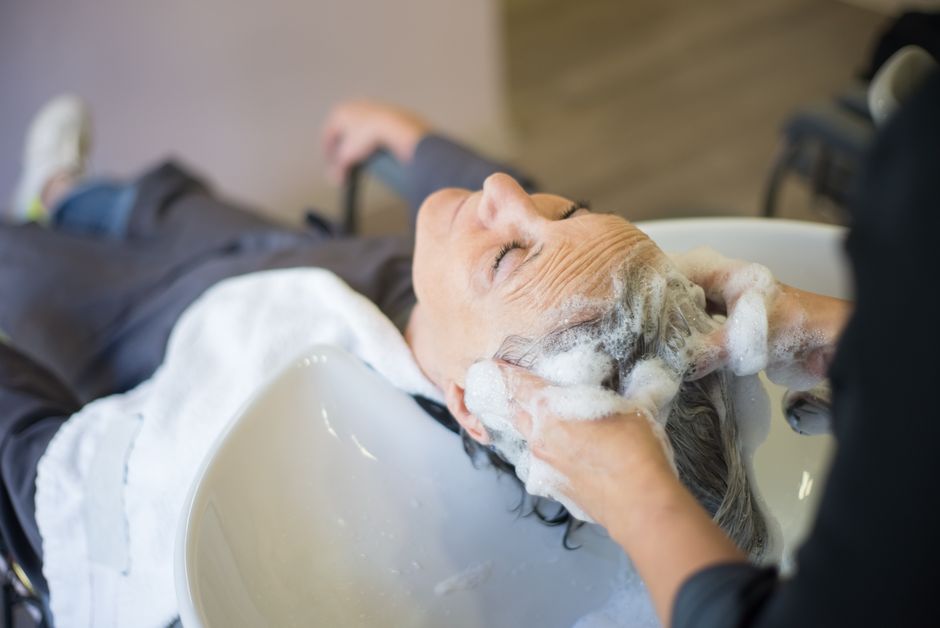
Clarifying shampoo strips away product buildup, hard water minerals, and excess oil that regular shampoo leaves behind. To use it, wet your hair thoroughly, apply a small amount from roots to ends, massage it through for about a minute, and rinse well. Most people should use it no more than once every one to two weeks, and some hair types need it even less often.
What Does Clarifying Shampoo Actually Do?
Clarifying shampoo removes residue that ordinary shampoo is not designed to lift. That residue comes from a few sources: silicones and polymers in styling products, oils and waxes in conditioners, and minerals like calcium and magnesium deposited by hard water.
Regular shampoo contains gentle surfactants (cleansing agents) plus conditioning ingredients that leave a light coating on the hair. That coating is intentional. It reduces friction and makes hair easier to comb. Over time, though, those ingredients accumulate. The result is hair that feels heavy, looks dull, or stops responding to styling the way it used to.
Clarifying formulas use stronger surfactants and skip most of the conditioning agents. Some also contain chelating ingredients that bind to metal ions from hard water and help rinse them away. That is a real chemical function, not marketing language. Whether a given product noticeably improves how your hair looks depends on how much buildup you actually have and what is causing it.
One clarification worth making: clarifying shampoo is not the same as a detox, and it does not remove toxins from your body. It cleans your hair. That is the whole job.
How To Use Clarifying Shampoo Step by Step
The method matters as much as the product. Here is the sequence that works for most people.
- Start with dry, unwashed hair. You do not need to pre-wash. The point is to remove what is already there.
- Wet your hair completely with warm water. Warm, not hot. Hot water can irritate the scalp and does not clean hair any better.
- Use less than you think you need. A quarter-sized amount is enough for short hair. For long hair, start with a nickel-to-quarter-sized amount at the roots and add more only if needed.
- Focus on the scalp and roots. This is where oil, dead skin cells, and most product residue collect.
- Massage with your fingertips, not your nails. Work it through for about a minute. Nails can scratch the scalp and cause irritation.
- Let it sit briefly if your product instructs it. Most clarifying shampoos do not need dwell time. Follow the label rather than guessing.
- Rinse thoroughly with warm water. Residue left behind defeats the purpose.
- Repeat only if your hair still feels coated. A second wash is sometimes needed after heavy product use, but it is not routine.
- Follow with a conditioner or mask. Clarifying shampoo can leave hair feeling rough because it strips the conditioning layer. Replacing some of that moisture helps prevent tangles and breakage.
Skip the conditioner on your scalp if you are prone to oiliness. Apply it from mid-length to ends instead.
How Often Should You Use Clarifying Shampoo?
Once every one to two weeks is a reasonable starting point for most people. That is a general guideline, not a rule backed by a specific clinical trial, because no large studies have tested clarifying shampoo frequency against hair outcomes.
Some people need it more often. If you swim in chlorinated pools regularly, use heavy styling products daily, or live in an area with very hard water, you may find that weekly use works better for you. Others need it far less. If your hair is dry, color-treated, or naturally textured, monthly or even less frequent use may be enough.
The signal to watch is how your hair behaves. If it feels coated or limp, buildup may be the cause. If it feels straw-like, brittle, or unusually rough, you may be over-clarifying.
There is no established clinical threshold for how often is too often. The practical approach is to start less frequently than you think you need and adjust based on what your hair does.





Who Should Be Careful With Clarifying Shampoo?
Clarifying shampoo is harsher than regular shampoo by design. That makes it a poor fit for some hair types and conditions.
People with dry or damaged hair should use it sparingly. The same surfactants that remove buildup also remove natural oils that protect the hair shaft. Overuse can increase dryness and make breakage more likely.
Color-treated hair deserves caution. Some clarifying shampoos can accelerate color fading because they lift the surface layer of the hair more aggressively than gentle formulas. If you color your hair, look for a clarifying product labeled as color-safe, or ask your stylist before using one. Note that “color-safe” is a marketing term without a standardized definition, so the label alone does not guarantee anything.
People with a sensitive or irritated scalp should be careful. Stronger surfactants can sting or worsen existing irritation. If your scalp is inflamed, flaking heavily, or painful, see a dermatologist rather than trying to fix it with a stronger shampoo. Persistent scalp symptoms can have several causes, and clarifying shampoo is not a treatment for any of them.
If you have chemically treated hair — relaxed, permed, or freshly bleached — clarifying too soon after treatment can affect the result. Ask the professional who did the treatment when it is safe to clarify.
Clarifying Shampoo vs. Regular Shampoo: What Is the Difference?
The two products are built for different jobs. Regular shampoo cleans gently and leaves conditioning ingredients behind. Clarifying shampoo cleans more aggressively and leaves little behind.
| Feature | Regular Shampoo | Clarifying Shampoo |
|---|---|---|
| Main purpose | Routine cleaning | Removing buildup |
| Surfactant strength | Milder | Stronger |
| Conditioning agents | Usually included | Usually minimal or absent |
| Hard water minerals | Not designed to remove | Some formulas contain chelating agents |
| Typical frequency | Every wash | Every one to two weeks for most people |
| Effect on color-treated hair | Generally gentler | May increase fading in some cases |
Neither product is better in general. They serve different purposes, and most people who use clarifying shampoo still use regular shampoo on other days.
Do You Need a Clarifying Shampoo at All?
Not everyone does. If your hair is not color-treated, you wash it regularly, and you use little to no styling product, buildup may never become a problem for you.
Buildup tends to matter most for people who use silicones, oils, or heavy styling products often, swim regularly, or have hard water at home. Hard water is a common and underrecognized factor. The minerals in hard water can deposit on hair over time, and regular shampoo does not remove them well. If your hair feels different after you travel to a soft-water area, that is a clue hard water may be affecting you at home.
If your hair feels fine, there is no reason to add a clarifying shampoo to your routine. Adding a stronger product when nothing is wrong can create the dryness you were trying to avoid.
If your hair feels heavy, dull, or unresponsive despite regular washing, buildup is one possible explanation — but not the only one. Product buildup, hard water, and changes in hair health can all produce similar symptoms, and it is not always possible to tell them apart without changing one variable at a time.
Frequently Asked Questions
Can I use clarifying shampoo every day?
No. Daily use can strip natural oils and leave hair dry and brittle. Most people should use it no more than once every one to two weeks.
Should I use conditioner after clarifying shampoo?
Yes, in most cases. Clarifying shampoo removes the conditioning layer, so following with a conditioner or mask helps prevent tangles and roughness.
Does clarifying shampoo remove hair color?
It can accelerate fading in some color-treated hair because it cleans more aggressively than regular shampoo. If you color your hair, look for a color-safe formula or ask your stylist.
How do I know if I have product buildup?
Common signs include hair that feels heavy, looks dull, or stops responding to styling products. Buildup, hard water, and other hair changes can cause similar symptoms, so it may take some trial and error to identify the cause.
