

Blood clots are the body’s emergency repair system. When you get a cut, proteins in your blood form a gel-like plug to stop the bleeding. That is a lifesaving process. The problem starts when a clot forms inside a vein or artery where it is not needed. These clots can block blood flow and cause serious damage. Knowing the signs of a blood clot matters because treatment works best when it starts early. This article explains the warning signs, where clots form, and when you need medical help right away.
What Is Signs Of Blood Clots?
Signs of blood clots are physical symptoms that happen when a clot blocks blood flow in a vein or artery. The symptoms depend entirely on where the clot is located. A clot in the leg feels different from a clot in the lung or brain. Some clots cause no symptoms at all. Others cause sudden, severe problems.
The most common location is the deep veins of the leg. This condition is called deep vein thrombosis, or DVT. When a clot forms there, it can break loose and travel to the lungs. That is called a pulmonary embolism, and it is a medical emergency.
What Does a Blood Clot in the Leg Feel Like?
A deep vein thrombosis usually affects one leg, not both. The most common signs include swelling, pain, warmth, and skin color changes. The swelling often appears suddenly. The pain may feel like a cramp or a charley horse that does not go away.
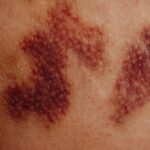
The affected leg may look red or have a bluish tint. The skin can feel warm to the touch compared to the other leg. Some people describe the area as tender or heavy. The symptoms can range from mild to severe, and some people have no symptoms at all.
If you have swelling in only one leg with pain and warmth, seek medical attention. A doctor can use an ultrasound to check for a clot. Do not massage the area. Massaging a clot can break it loose and send it toward your lungs.
What Are the Signs of a Blood Clot in the Lung?
A pulmonary embolism happens when a clot travels to the lungs and blocks blood flow. This is the most dangerous complication of a leg clot. It requires immediate emergency care.
Symptoms include sudden shortness of breath, chest pain that worsens with deep breathing, a rapid heartbeat, and coughing up blood. Some people feel lightheaded or faint. The chest pain may feel sharp or like a tight pressure. It often gets worse when you breathe in deeply.
Call 911 or go to the nearest emergency room if you have these symptoms. A pulmonary embolism can be fatal if not treated quickly. Do not wait to see if the symptoms pass.



What Does a Blood Clot in the Arm Look Like?
Clots can form in the arms, though they are less common than leg clots. This is called upper extremity deep vein thrombosis. It happens most often in people with a central venous catheter, a recent arm injury, or a condition that increases clotting risk.
The signs are similar to a leg clot. The arm swells, feels painful, and may look red or discolored. The veins on the surface of the arm may appear more visible or engorged. The arm may feel heavy or weak.
Arm clots can also travel to the lungs. The same emergency signs apply: sudden shortness of breath, chest pain, and rapid heartbeat.
Signs of a Blood Clot in the Brain
A clot in the brain is a type of stroke. It blocks blood flow to brain tissue, and brain cells begin to die within minutes. This is a life-threatening emergency.
Symptoms come on suddenly. They include weakness or numbness on one side of the body, facial drooping, trouble speaking, confusion, and a sudden severe headache. Vision changes can also occur. The acronym FAST is widely used to remember the key signs: Face drooping, Arm weakness, Speech difficulty, and Time to call 911.
If you or someone near you shows these signs, call 911 immediately. Every minute matters. Treatment for a clot-related stroke needs to start within a few hours of symptom onset.
Signs of a Blood Clot in the Heart
A clot in a coronary artery blocks blood flow to the heart muscle. This causes a heart attack. The heart muscle begins to suffer damage the longer blood flow is blocked.
Symptoms include chest pain or pressure that may spread to the arm, jaw, neck, or back. Shortness of breath, sweating, nausea, and lightheadedness are also common. Women and people with diabetes may have less typical symptoms like fatigue, indigestion, or discomfort in the upper abdomen.
Any sudden chest discomfort that lasts more than a few minutes warrants emergency care. Call 911 rather than driving yourself to the hospital.
Signs of a Blood Clot in the Abdomen
Clots in the abdominal veins are rare but serious. They can block blood flow to the intestines, liver, or spleen. Symptoms include severe abdominal pain that comes on suddenly, nausea, vomiting, and bloody stools.
The pain may be out of proportion to what you can feel on the outside. The abdomen may feel swollen or tender. This condition requires urgent medical evaluation. Imaging tests are needed to confirm the diagnosis.
Who Is at Higher Risk for Blood Clots?
Certain situations increase the risk of developing a clot. Prolonged immobility is a major factor. Long flights, bed rest after surgery, or extended car trips all slow blood flow in the legs.
Surgery and hospitalization are significant risk periods. Cancer and its treatments increase clotting risk. Pregnancy raises risk through hormonal changes and pressure on pelvic veins. Hormonal birth control and hormone replacement therapy also increase risk, especially in people who smoke.
Genetic conditions can make blood more prone to clotting. A family history of clots raises your own risk. Age matters too — risk increases after age 60. Obesity and smoking both contribute to higher risk.
Being aware of your risk factors helps you recognize symptoms early. If you have multiple risk factors and develop leg swelling or pain, take it seriously.
When Should You See a Doctor?
Seek medical care promptly if you have swelling, pain, warmth, or color changes in one leg or arm. An ultrasound can confirm or rule out a clot. Early treatment with blood thinners prevents the clot from growing and reduces the risk of it traveling to the lungs.
Go to the emergency room immediately for sudden shortness of breath, chest pain with deep breathing, coughing up blood, or a rapid heartbeat. These could be signs of a pulmonary embolism. Also seek emergency care for sudden weakness, facial drooping, trouble speaking, or severe chest pressure.
Do not wait to see if symptoms improve on their own. Clots can worsen quickly. When in doubt, get checked. A negative test is a relief. A positive test caught early is treatable.
Can You Prevent Blood Clots?
Prevention focuses on keeping blood moving and reducing risk factors you can control. If you sit for long periods, stand and walk every hour or two. On long flights, flex your calf muscles and walk the aisle when possible. Staying hydrated helps keep blood from becoming too thick.
After surgery, follow your doctor’s instructions about moving and walking. Compression stockings may be recommended in some situations. If you are at high risk, your doctor may prescribe blood thinners as a preventive measure.
Quitting smoking and maintaining a healthy weight reduce your overall risk. Regular physical activity improves circulation. If you have a genetic clotting disorder, work with your doctor on a long-term prevention plan.
Frequently Asked Questions
Can a blood clot go away on its own?
Small clots can sometimes dissolve on their own, but you cannot predict which ones will. Untreated clots can grow, break loose, and travel to the lungs, so medical evaluation is always recommended.
How fast do blood clot symptoms appear?
Leg clot symptoms usually develop over hours to days. Symptoms of a clot in the lung or brain appear suddenly and require immediate emergency care.
Is leg pain from a blood clot constant?
Not always. The pain may come and go, but it is typically persistent and may worsen when you stand or walk. Swelling in one leg with pain is a stronger warning sign than pain alone.
Can a blood clot be seen on a regular X-ray?
No. Standard X-rays do not show blood clots. Doctors use ultrasound for leg and arm clots, and CT scans or other imaging for clots in the lungs or brain.
