
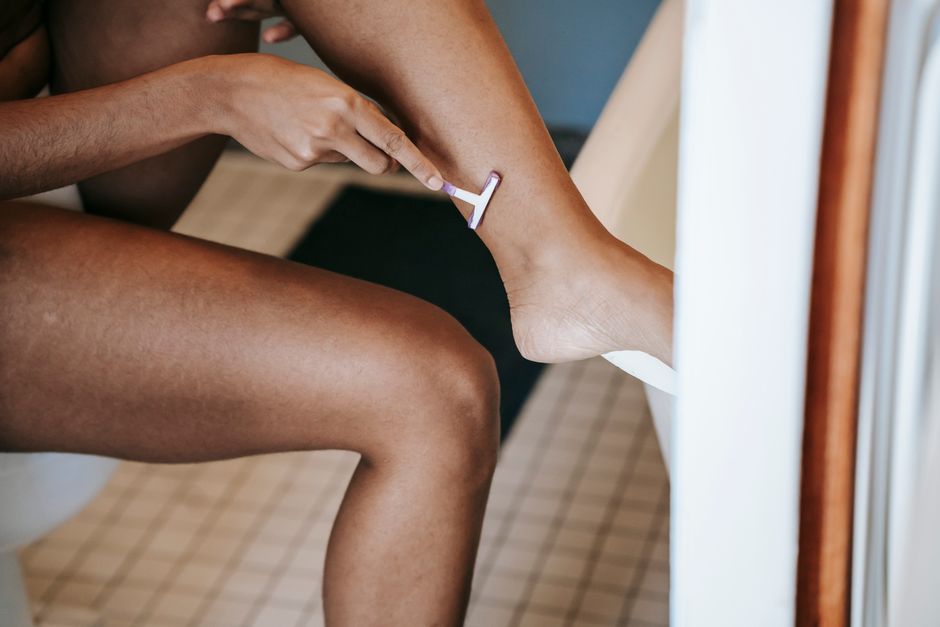
Permanent hair removal comes down to two main options: electrolysis and laser. Electrolysis destroys the hair follicle with heat or chemical energy, and it is the only method the FDA calls permanent. Laser targets pigment in the hair follicle and is better described as permanent hair reduction, not removal. The right choice depends on your hair color, skin tone, pain tolerance, budget, and how much time you are willing to invest.
How Does Electrolysis Work?
Electrolysis uses a tiny probe inserted into each individual hair follicle. A small amount of electrical current is delivered through the probe to destroy the cells responsible for hair growth. Once those cells are gone, that follicle cannot produce new hair.
There are three types of electrolysis: galvanic, thermolysis, and a blend of both. Galvanic uses a chemical reaction. Thermolysis uses heat. The blend method uses both. All three are considered effective, though your electrologist may prefer one based on your hair type and skin sensitivity.
Because electrolysis treats one hair at a time, sessions are slow. A small area like the upper lip might take 15 to 30 minutes. Larger areas like the legs can take several hours spread across multiple visits. Most people need multiple sessions because hair grows in cycles, and only hairs in the active growth phase are destroyed at each visit.
How Does Laser Hair Removal Work?
Laser hair removal uses concentrated light energy that is absorbed by melanin, the pigment in your hair. The light converts to heat, which damages the hair follicle and slows or stops future growth. The FDA cleared laser devices for permanent hair reduction, which means a significant decrease in hair growth over time, not the complete elimination of all hair.
Laser works best when there is strong contrast between hair color and skin tone. Dark hair on light skin is the ideal combination. Newer lasers with longer wavelengths can treat darker skin tones more safely, but the results are still less predictable for blonde, red, gray, or white hair because those hairs lack the pigment needed to absorb the light.
Laser sessions are much faster than electrolysis. A full leg can be treated in 30 to 60 minutes. The upper lip takes only a few minutes. Most people need 6 to 8 sessions spaced 4 to 6 weeks apart to see significant reduction.
What Is Permanent Hair Removal Electrolysis Vs Laser: The Key Differences
The central difference is permanence. Electrolysis is the only method that permanently destroys the hair follicle. Once treated, that hair is gone for good. Laser damages the follicle but does not always destroy it. Treated hairs often grow back thinner and lighter, but they can return, especially with hormonal changes.
Electrolysis works on all hair colors and skin types because it does not rely on pigment. Laser only works on hair with enough melanin to absorb the light. This makes electrolysis the only viable option for blonde, red, gray, or white hair.
Speed is another major difference. Laser treats large areas quickly. Electrolysis is precise but slow. For someone with thick, dark hair on both legs, laser will require far fewer total hours of treatment. For someone with a small area or light-colored hair, electrolysis may be the only effective choice.
Pain levels are comparable but different in character. Laser feels like a rubber band snapping against the skin. Electrolysis feels like a sharp sting or pinch at each follicle. Both are tolerable for most people, and numbing creams can help.





Which One Costs More Over Time?
Electrolysis is typically more expensive per session because it takes longer. A 30-minute electrolysis session might cost between $50 and $100, depending on your location. Laser sessions can cost $150 to $400 for larger areas, but you need fewer sessions overall.
When you add up the total cost, laser often appears cheaper for large areas with dark hair. Electrolysis can end up costing more because it requires many more hours of treatment. However, electrolysis results are permanent, so you will not need maintenance sessions. Laser results may require yearly touch-ups to maintain the reduction.
Some clinics offer package deals for both treatments. Always ask about the total cost of a full treatment plan before committing. Do not base your decision on the cost of a single session.
What Are the Side Effects and Risks?
Both treatments have side effects. Electrolysis can cause temporary redness, swelling, and small scabs at the treatment site. These usually resolve within a few days. Infection is possible if the equipment is not sterile, so always choose a licensed professional who uses disposable probes.
Laser can cause redness, swelling, and a sunburn-like sensation for a few hours after treatment. In rare cases, laser can cause blistering, scarring, or changes in skin pigmentation. These risks are higher in people with darker skin or those who have recently tanned.
Neither treatment is recommended during pregnancy. Hormonal changes during pregnancy can stimulate hair growth, and the safety of both treatments for the fetus has not been established through clinical trials. If you are pregnant, discuss your options with your obstetrician before scheduling any treatment.
How Many Sessions Will You Need?
Electrolysis requires multiple sessions because hair grows in cycles. Only about one-third of your hair follicles are in the active growth phase at any given time. Each session catches a different portion of the hair population. Most people need 15 to 30 sessions for a small area like the upper lip, and more for larger areas.
Laser also requires multiple sessions for the same reason. The typical treatment plan is 6 to 8 sessions spaced about a month apart. After that, many people need one maintenance session per year to keep the area smooth.
Hormonal conditions like polycystic ovary syndrome can cause new hair to grow after either treatment. In these cases, electrolysis will permanently remove the hair that existed at the time of treatment, but new hair can still appear as a result of the underlying hormonal imbalance.
What About At-Home Devices?
At-home laser devices use lower energy levels than professional machines. They are safer for home use but also less effective. Some studies suggest they can reduce hair growth, but results are slower and less dramatic than professional treatments.
No at-home device is FDA-cleared for permanent hair removal. They are cleared for permanent hair reduction at best. At-home electrolysis devices exist, but they are not recommended. Inserting a needle into your own skin without professional training carries a real risk of infection, scarring, and improper technique.
If you are considering an at-home device, treat it as a supplement to professional care, not a replacement. The results will likely be modest, and you will still need professional treatments for significant or lasting reduction.
How to Choose Between Electrolysis and Laser
Start with your hair color. If you have blonde, red, gray, or white hair, laser will not work well. Electrolysis is your only real option for permanent removal. If you have dark hair and light skin, laser is likely to be faster and more cost-effective for large areas.
Consider the size of the area you want to treat. Small areas like the upper lip, chin, or eyebrows are manageable with electrolysis. Large areas like legs, back, or arms are often better suited to laser because of the speed difference.
Think about your long-term goals. If you want every single hair gone permanently, electrolysis is the only method that can deliver that. If you want a significant reduction that is good enough, laser may meet your needs at a lower time investment.
Book a consultation with a licensed professional for each method. Ask about their experience, success rates, and what they recommend for your specific hair and skin type. A good practitioner will be honest about what their method can and cannot achieve.
Frequently Asked Questions
Is electrolysis more painful than laser?
Most people find them similarly uncomfortable but in different ways. Laser feels like a rubber band snap while electrolysis feels like a sharp pinch at each hair follicle.
Can laser remove blonde or gray hair?
No, laser is not effective on hair that lacks pigment. Electrolysis is the only permanent removal option for blonde, red, gray, or white hair.
How long do electrolysis results last?
Electrolysis results are permanent once the follicle is destroyed. The treated hair will not grow back, though new hair can appear if hormonal changes trigger new follicle activity.
Is laser hair removal safe for dark skin?
Newer lasers with longer wavelengths can treat darker skin tones, but the risk of pigmentation changes is higher than with lighter skin. Choose a provider experienced with your skin type.
