
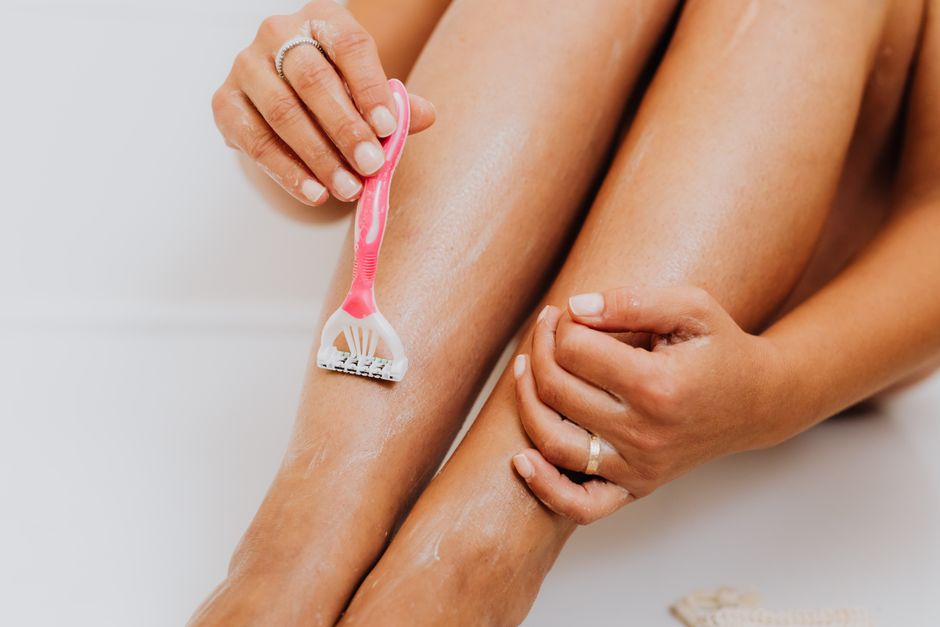
If you are planning laser hair removal, you may wonder if you can use hair removal cream (depilatory cream) between sessions. The direct answer is no — you should not use hair removal cream before or between laser treatments. Laser hair removal works by targeting the pigment in the hair follicle. Hair removal cream removes the hair at the skin’s surface. It leaves the root behind, which can interfere with how well the laser works. Many clinics also warn that the chemicals in depilatory creams can irritate skin that is already sensitive from laser treatment. This is not a suggestion to avoid it. This is a standard clinical guideline from dermatology practices.
Why Do People Consider Hair Removal Cream Before Laser Treatment?
Laser hair removal requires you to shave before each session. Some people find shaving irritating or time-consuming. Hair removal cream seems like a faster and smoother option. The appeal is understandable. You apply a cream, wait a few minutes, and wipe it off. No razor bumps. No nicks. It sounds like a perfect solution.
But the way hair removal cream works is fundamentally different from shaving. Shaving cuts the hair at the surface. Hair removal cream dissolves the protein structure of the hair just below the skin surface. The laser needs a hair shaft above the skin to absorb the light energy. When you use a depilatory cream, the hair breaks off unevenly below the surface. The laser cannot target it properly. This reduces the effectiveness of the treatment and can waste your money.
Some people also report that the chemicals in hair removal creams cause a stinging or burning sensation on skin that has been treated with laser. Even if your skin feels fine, the risk of irritation is higher than with shaving.
What Does Research Say About Depilatory Creams and Laser Hair Removal?
Research published in the Journal of the American Academy of Dermatology has examined factors that affect laser hair removal outcomes. The studies consistently show that the laser works best when the hair shaft is present above the skin but the follicle is intact. Depilatory creams disrupt this condition.
One study found that patients who shaved before treatment had significantly better hair reduction after six sessions compared to those who used depilatory creams. The difference was not small. The group using depilatory creams required more sessions to achieve the same level of hair reduction.
Another concern is skin irritation. A 2021 review in Dermatologic Surgery noted that depilatory creams contain alkaline chemicals like calcium thioglycolate. These chemicals break down keratin. On skin that has been treated with laser, the barrier function is temporarily weakened. Applying a depilatory cream can cause chemical burns, redness, and hyperpigmentation.
The evidence is clear. Hair removal cream interferes with treatment results and increases the risk of skin damage. This is not a debated topic in dermatology. It is a well-established clinical recommendation.
What Should You Use Instead of Hair Removal Cream?
Shaving is the only method most dermatologists recommend before laser hair removal. It is safe, effective, and does not interfere with the laser’s ability to target the follicle. You should shave within 24 hours before your appointment. This leaves enough hair above the skin for the laser to detect but not so much that it burns or causes discomfort.
Here is a simple comparison of common hair removal methods and how they affect laser treatment:
| Method | Safe Before Laser? | Why or Why Not |
|---|---|---|
| Shaving | Yes | Cuts hair at surface. Follicle stays intact for laser targeting. |
| Hair removal cream | No | Dissolves hair below surface. Chemicals can irritate laser-treated skin. |
| Waxing | No | Removes hair from the root. Laser needs the root to be present. |
| Tweezing | No | Same issue as waxing. Root is removed. |
| Epilating | No | Pulls hair from root. Not compatible with laser. |
If you absolutely cannot shave due to skin sensitivity or a medical condition, talk to your laser technician. Some clinics offer alternative preparation methods. But in most cases, shaving is the only recommended option.





Can You Use Hair Removal Cream Between Laser Sessions?
This is where people often get confused. You might think that using hair removal cream between sessions is fine because you are not about to have laser treatment that day. But the timing matters less than the effect on the hair growth cycle.
Laser hair removal works by damaging the hair follicle during the active growth phase. Between sessions, some hairs will shed naturally. Others will grow back. If you use hair removal cream on the treated area, you risk irritating the skin that is still healing. The skin after laser treatment is more sensitive for several days. Applying a chemical depilatory can cause redness, burning, or even blistering.
Some people report using depilatory creams two weeks after a session without problems. But there is no clinical evidence that this is safe or beneficial. The American Society for Laser Medicine and Surgery advises patients to stick with shaving for the entire duration of their treatment plan. That means from your first session until your final session and the follow-up period.
If you want to remove hair between sessions, shave. It is the only method that preserves the follicle for the next treatment.
What Are the Risks of Using Hair Removal Cream Before Laser?
The risks fall into two categories: reduced effectiveness and skin damage. Both are real and documented.
Reduced effectiveness means you pay for more sessions than necessary. Laser hair removal is already expensive. Each session costs between $200 and $500 depending on the area. If you need four extra sessions because the laser could not target the hair properly, that is a significant waste of money. A study in Lasers in Medical Science found that improper hair removal before treatment was one of the top reasons for poor outcomes in clinical settings.
Skin damage is the more immediate concern. Depilatory creams are strong chemicals. They are designed to dissolve hair protein. When applied to skin that has been treated with laser, the risk of a chemical burn increases. Signs of damage include:
- Redness that lasts more than a few hours
- Burning or stinging sensation
- Blistering or peeling skin
- Dark spots (hyperpigmentation) that can take months to fade
People with darker skin tones are at higher risk for hyperpigmentation after chemical irritation. If you have Fitzpatrick skin type IV, V, or VI, the risk is even greater. The laser itself already carries a risk of pigmentation changes in darker skin. Adding a depilatory cream increases that risk unnecessarily.
There is also the risk of infection. If the skin barrier is compromised by a chemical burn, bacteria can enter. This is rare but possible.
Common Misconceptions About Hair Removal Cream and Laser
One common myth is that hair removal cream is gentler than shaving. This is not true. Shaving is a mechanical process. It cuts hair with a blade. Hair removal cream is a chemical process. It breaks down protein bonds. For laser-treated skin, the chemical process is more aggressive and less predictable.
Another myth is that using hair removal cream will help the laser work better because it removes hair more completely. The opposite is true. The laser needs a hair stub above the skin to absorb the light. A completely smooth surface with no visible hair means the laser has nothing to target. You want a small amount of stubble visible above the skin. That is the ideal condition for laser treatment.
Some people believe that if they use a “gentle” or “sensitive skin” formula, it is safe. There is no evidence to support this. The active chemicals in depilatory creams are the same regardless of the formula. “Sensitive skin” versions may have fewer fragrances or moisturizers, but they still contain the same keratin-dissolving ingredients. They are not safe for use before laser treatment.
Finally, some clinics do not explicitly tell patients to avoid depilatory creams. They assume patients know. But many patients do not. If your clinic has not mentioned this, ask them directly. A reputable clinic will tell you to shave only.
Frequently Asked Questions
Can I use Nair before laser hair removal?
No. Nair and similar depilatory creams remove hair below the skin surface and can irritate laser-treated skin. Shaving is the only safe option.
How long after laser can I use hair removal cream?
Most dermatologists recommend waiting until your entire treatment course is complete. Using depilatory creams between sessions can reduce effectiveness and cause skin irritation.
What happens if I accidentally used hair removal cream before laser?
Tell your technician before the session. They may reschedule the appointment to avoid poor results or skin damage. Do not proceed with treatment without telling them.
Can I shave instead of using hair removal cream before laser?
Yes. Shaving is the recommended method. Shave within 24 hours before your appointment for the best results.
