
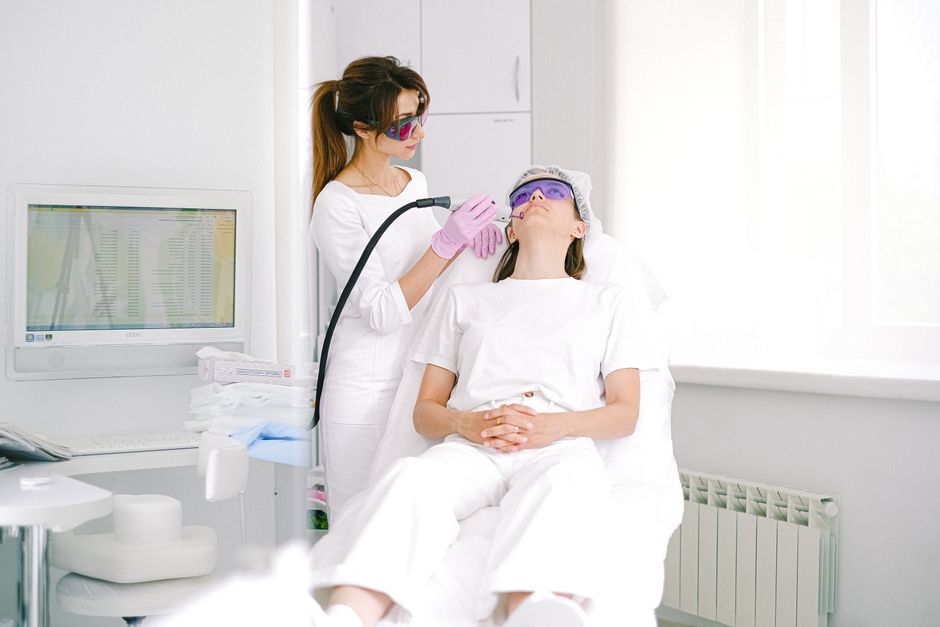
If you have hidradenitis suppurativa (HS) and are considering laser hair removal, the biggest question is often about cost. Insurance coverage for laser hair removal as an HS treatment is not guaranteed, but it is possible. The key factor is whether your doctor documents it as a medical necessity for treating a chronic skin condition, not as a cosmetic procedure. Most plans require pre-authorization and proof that other treatments have failed.
Does Insurance Cover Laser Hair Removal for Hidradenitis Suppurativa?
The short answer is yes, some insurance plans do cover laser hair removal for hidradenitis suppurativa. But it is far from standard. Coverage depends entirely on your specific policy and how your doctor presents the case.
Insurance companies classify most laser hair removal as cosmetic. Cosmetic procedures are almost never covered. To get coverage for HS, your doctor must prove the treatment is medically necessary. This means showing that laser hair removal treats a disease, not just removes hair for appearance.
The American Academy of Dermatology recognizes laser hair removal as a treatment option for mild to moderate HS. Some studies suggest it reduces flare-ups in areas where hair follicles are involved. This medical rationale is what you need for an insurance claim.
What Evidence Supports Laser Hair Removal for HS?
Research on laser hair removal for HS is promising but not overwhelming. A 2019 review in the Journal of the American Academy of Dermatology looked at several small studies. It found that laser hair removal reduced HS lesion counts by 50 to 70 percent in many patients.
Another study from 2016 followed 22 patients with mild to moderate HS. After four laser sessions, most had significant improvement. Some remained clear for months after treatment stopped. The evidence is strongest for people with early-stage HS where hair follicles play a clear role.
However, most studies are small. There are no large randomized controlled trials yet. This means insurance companies can still argue the evidence is not strong enough. Your doctor needs to explain why it works for your specific case.
How to Get Insurance to Cover Laser Hair Removal for HS
Getting coverage requires a deliberate process. Do not expect a quick approval. Here are the steps that give you the best chance.
Step one: Get a formal diagnosis. Your medical records must clearly state hidradenitis suppurativa. A diagnosis of “folliculitis” or “acne inversa” is not enough. The code must be specific.
Step two: Document failed treatments. Insurance wants to see you tried other options first. This includes topical antibiotics, oral antibiotics, steroid injections, and biologic drugs like adalimumab (Humira). Keep records of every prescription and every visit.
Step three: Get a letter of medical necessity. Your dermatologist must write a detailed letter. It should explain why laser hair removal is not cosmetic for you. It should cite medical literature. It should state that untreated HS leads to pain, infection, and scarring.
Step four: Submit a pre-authorization request. Never start treatment without pre-approval. If you do, the insurance company will almost certainly deny the claim retroactively. Pre-authorization forces them to review the evidence before you pay.





What If Insurance Denies Your Claim?
Denials are common. Do not give up after one rejection. Most denials happen because the insurance company classifies the procedure as cosmetic by default.
You have the right to appeal. The first appeal goes to the insurance company itself. Your doctor should submit additional documentation. This might include photos of active lesions, records of pain scores, and copies of published studies.
If the first appeal fails, you can request an external review. An independent medical expert looks at your case. Studies show that external reviews overturn denials about 40 percent of the time. This is a real option, not just a formality.
Some patients also find help through patient assistance programs. Drug companies that make HS biologics sometimes offer financial aid for related treatments. Nonprofit organizations like the Hidradenitis Suppurativa Foundation can guide you to resources.
Comparing Laser Hair Removal Costs With and Without Insurance
| Scenario | Typical Cost Per Session | Sessions Needed | Total Estimated Cost |
|---|---|---|---|
| Without insurance (cosmetic rate) | $200 – $500 | 4 – 6 | $800 – $3,000 |
| With insurance (medical copay) | $30 – $75 | 4 – 6 | $120 – $450 |
| With insurance (deductible not met) | Full cost until deductible | Varies | Varies by plan |
Even with insurance, you may pay full price until you meet your annual deductible. After that, you pay only a copay or coinsurance. The difference is substantial. That is why the pre-authorization effort is worth it.
Common Misconceptions About Laser Hair Removal and HS
A few myths keep coming up. Let me clear them up based on what the evidence actually shows.
Myth: Laser hair removal cures HS. No. It is a treatment, not a cure. HS is a chronic inflammatory condition. Laser hair removal reduces one trigger — hair follicle inflammation — but it does not fix the underlying immune problem. Many patients still need other treatments.
Myth: Any laser works for HS. Not true. The best evidence supports the Nd:YAG laser. This laser targets deeper hair follicles without damaging the skin surface. Alexandrite and diode lasers may also help, but the data is weaker. Ask your dermatologist which laser they use.
Myth: Insurance always covers it if your doctor says it is medical. Insurance companies have their own medical policies. Some explicitly exclude laser hair removal for any reason. Others cover it only for certain skin types or HS stages. Read your policy or call your insurance to ask directly.
Myth: Laser hair removal works immediately. It takes time. Most people need multiple sessions spaced weeks apart. Improvement usually appears after the third session. Do not expect results after one treatment.
What to Avoid When Seeking Coverage
Some actions can hurt your chances. Avoid these mistakes.
- Do not start treatment before insurance approval. You will likely pay the full cost yourself.
- Do not let your doctor write a vague letter. It must specifically say laser hair removal treats HS, not just “removes hair.”
- Do not skip documenting failed treatments. Without proof you tried antibiotics or biologics, the claim looks cosmetic.
- Do not accept a verbal denial. Ask for a written explanation. Written denials include the specific reason and instructions for appeal.
- Do not assume your plan covers it because a friend’s plan did. Insurance policies vary widely even within the same company.
One more thing: some clinics advertise “medical laser hair removal” for HS at discounted rates. Be careful. If they are not submitting claims to insurance, it is likely still cosmetic pricing. Ask directly if they accept insurance for HS treatment.
Frequently Asked Questions
Will insurance cover laser hair removal for hidradenitis suppurativa?
It depends on your plan and documentation. Some policies cover it as a medical treatment if your doctor proves it is necessary.
What diagnosis code do doctors use for HS laser hair removal?
The standard code is L73.2 for hidradenitis suppurativa. Using the correct code is essential for insurance approval.
How many laser sessions are needed for HS?
Most patients need 4 to 6 sessions spaced 4 to 6 weeks apart. Maintenance sessions may be needed every few months.
Can I get laser hair removal for HS if I have dark skin?
Yes, but the Nd:YAG laser is safest for darker skin tones. It reduces the risk of burns and pigmentation changes.
