
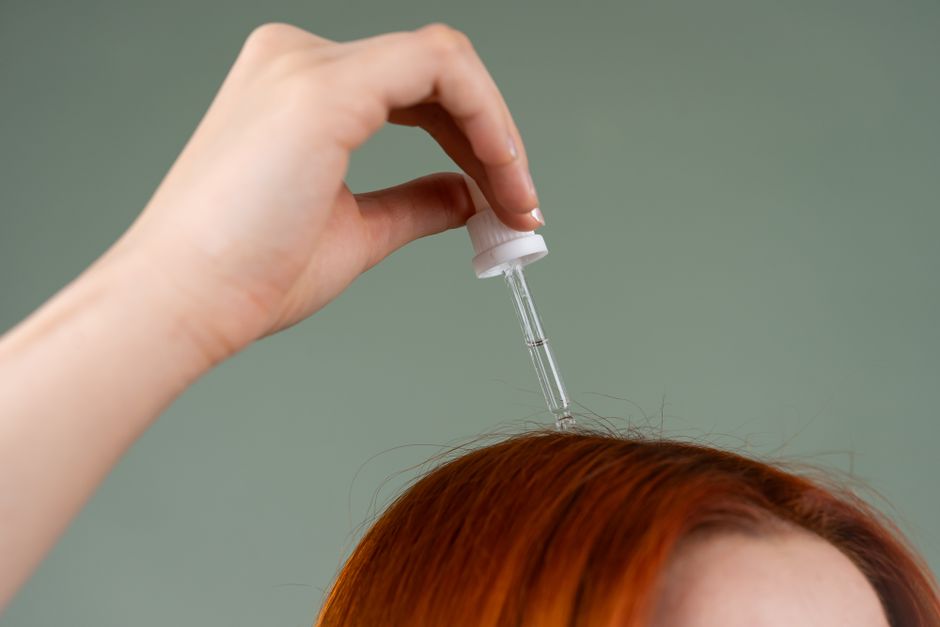
Many people assume permanent hair dye is basically bleach in a fancy bottle. That is not quite right. Permanent hair dye does contain chemicals that lift color from your hair. But these are not the same as the bleach you buy in a box for lightening. The difference matters for your hair health and how you care for it after coloring.
What Makes Permanent Hair Dye Different From Semi-Permanent Dye?
Permanent hair dye uses a chemical process to change hair color. Semi-permanent dye just coats the outside of the hair strand. It washes out after several shampoos. Permanent dye actually penetrates the hair shaft.
To get inside, the dye needs to open the hair cuticle. That is where the chemicals come in. The dye contains two parts: a color base and a developer. When mixed, they create a chemical reaction. This reaction swells the hair shaft and allows the color molecules to enter.
Semi-permanent dye does not use this two-part system. It sits on the surface. This is why semi-permanent color fades faster and causes less damage.
Does Permanent Hair Dye Actually Contain Bleach?
No, permanent hair dye does not contain bleach. But it does contain hydrogen peroxide. The developer in permanent dye is typically hydrogen peroxide at a concentration between 10 and 40 volumes.
Hydrogen peroxide lifts the natural pigment in your hair. It lightens the hair slightly so the new color can show. Bleach also uses hydrogen peroxide, but at much higher concentrations and with additional chemicals like ammonia persulfate.
The key difference is intent. Bleach strips all color from the hair. Permanent dye only lifts enough color to deposit new pigment. Think of it like painting a wall. Bleach strips the paint down to bare wood. Permanent dye just scuffs the surface so new paint sticks.
Research published in the Journal of Cosmetic Science confirms that permanent hair dyes use lower peroxide levels than bleach products. The goal is color change, not complete lightening.
What Chemicals Are Actually in Permanent Hair Dye?
Permanent hair dye has two main components. The first is the color base, which contains dye precursors and couplers. These are small molecules that react to form larger color molecules inside the hair.
The second component is the developer, which is hydrogen peroxide. When mixed, the hydrogen peroxide oxidizes the dye precursors. This creates the color and also lightens your natural pigment slightly.
Most permanent dyes also contain ammonia or another alkalizing agent. Ammonia opens the hair cuticle so the dye can enter. Without it, the color would not penetrate deeply enough to be permanent.
Some newer “ammonia-free” permanent dyes use monoethanolamine instead. This works the same way but is less harsh on the scalp. The American Academy of Dermatology notes that ammonia-free dyes may still cause irritation in sensitive people.
Here is a quick comparison of the main ingredients:
| Ingredient | Role | Found in Bleach? |
|---|---|---|
| Hydrogen peroxide | Lifts natural pigment | Yes, at higher levels |
| Ammonia | Opens hair cuticle | Often yes |
| Dye precursors | Create color molecules | No |
| Couplers | Modify final color | No |
| Persulfates | Speed up lightening | Often yes |
Notice that persulfates are common in bleach but rare in permanent dye. This is another reason permanent dye is gentler than bleach.





How Much Damage Does Permanent Hair Dye Cause?
Any chemical process that opens the hair cuticle causes some damage. Permanent hair dye is no exception. The hydrogen peroxide strips moisture from the hair. The ammonia raises the cuticle, which can make hair feel rough.
Studies have found that permanent dye reduces hair strength by about 10 to 15 percent after a single application. That is less than bleach, which can reduce strength by 30 percent or more. But it is still measurable damage.
The damage is cumulative. Each time you dye your hair, the cuticle lifts and closes a little less perfectly. Over time, hair becomes more porous. It loses moisture faster. It may feel dry or brittle.
Some people report less damage with demi-permanent dye. This uses a lower concentration of hydrogen peroxide and no ammonia. The color lasts through about 20 washes instead of permanently. If you are worried about damage, demi-permanent may be a good middle ground.
The FDA does not regulate hair dyes for safety claims about damage. So marketing language like “gentle” or “nourishing” is not backed by any standard test. Read ingredient lists instead of labels.
What Are the Health Risks of Permanent Hair Dye?
The health concerns around permanent hair dye focus on two things: skin reactions and long-term cancer risk. Let us look at the evidence for each.
Allergic reactions to permanent dye are real. The most common culprit is para-phenylenediamine, or PPD. This is a dye precursor found in most dark permanent colors. The American Contact Dermatitis Society named PPD the allergen of the year in 2006. Reactions include itching, burning, and swelling of the scalp and face.
Patch testing is the only way to know if you are allergic. Mix a small amount of the dye and apply it behind your ear. Wait 48 hours. If you have any reaction, do not use the product.
On cancer risk, the evidence is mixed. The International Agency for Research on Cancer classifies occupational exposure to hair dyes as probably carcinogenic. That applies to hairdressers who handle dyes daily. For personal use, the classification is different. The evidence is not strong enough to say personal use causes cancer.
Research published in the British Medical Journal in 2020 followed over 100,000 women for 36 years. The study found no significant link between permanent hair dye use and most cancers. There was a small increase in risk for some breast and ovarian cancers, but the researchers called this uncertain.
If you are pregnant, the American College of Obstetricians and Gynecologists says hair dye is likely safe. The chemicals are absorbed through the scalp in very small amounts. But many women choose to wait until after the first trimester just to be cautious.
What Should You Look for in a Permanent Hair Dye?
If you decide to use permanent hair dye, choose wisely. Here are practical steps based on what the evidence actually shows.
- Check for PPD if you have sensitive skin. Look for “PPD-free” on the label. Some brands use alternatives like toluene-2,5-diamine sulfate instead.
- Choose a lower volume developer if you are only going darker. 10 volume is enough for depositing color without much lightening. 20 volume is standard for covering gray. Higher volumes increase damage.
- Avoid metallic salts in “gradual” or “progressive” dyes. These can react badly with other chemical treatments and cause hair breakage.
- Look for conditioning ingredients like hydrolyzed protein or ceramides. These do not prevent damage but can help hair feel smoother after coloring.
- Read the instructions carefully. Leaving dye on longer than directed does not give you more color. It just causes more damage.
One non-obvious fact: gray hair is more resistant to color because it lacks pigment to help the dye bind. If you have a lot of gray, you may need a higher volume developer or a longer processing time. But do not exceed the manufacturer’s maximum time.
What Are Common Misconceptions About Permanent Hair Dye?
There is a lot of bad advice online about hair dye. Here are a few myths worth clearing up.
Myth: Permanent dye is the same as bleach. As discussed, the chemicals and purpose are different. Bleach strips pigment. Permanent dye deposits color. They are not interchangeable.
Myth: You can mix different brands to get better color. This is dangerous. Different brands use different chemical formulations. Mixing them can cause unpredictable reactions, including hair breakage and scalp burns.
Myth: Natural hair dyes are always safer. Henna and other plant-based dyes are less damaging to hair structure. But they can still cause allergic reactions. Some “natural” dyes also contain metallic salts that react badly with salon chemicals.
Myth: Dyeing your hair once means you have to keep dyeing it. Permanent color does fade. But you can let it grow out without re-dyeing. The line between colored and natural hair will be visible, but that is a style choice, not a chemical necessity.
Myth: All permanent dyes cause cancer. The evidence does not support this for personal use. The studies that show risk are for occupational exposure. Using dye at home every few weeks is not the same as working with it daily for years.
Frequently Asked Questions
Can permanent hair dye lighten my hair without bleach?
Yes, permanent hair dye can lighten your hair by one to three shades using hydrogen peroxide. It cannot lighten as much as bleach, which can lift six or more shades.
Is ammonia-free permanent dye safer than regular permanent dye?
Ammonia-free dye is less harsh on the scalp but still uses hydrogen peroxide and other chemicals. It causes similar damage to the hair shaft over time.
How long should I wait between permanent hair dye applications?
Most experts recommend waiting at least four to six weeks between applications to let your hair recover. Coloring more often increases cumulative damage.
Can I use permanent hair dye if I have a sensitive scalp?
You can, but always do a patch test first. Look for PPD-free formulas and consider demi-permanent dye instead, which uses milder chemicals.
