
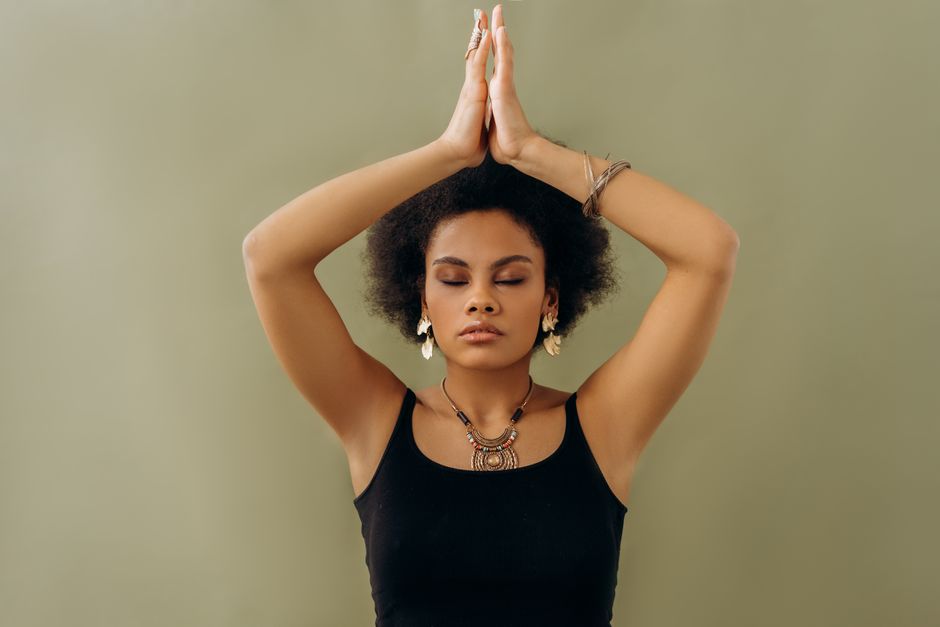
Natural hair refers to hair that has not been chemically relaxed, permed, or straightened. It grows from the scalp in its original texture and curl pattern. The term most often describes textured hair types common among Black and African-descended people. Natural hair care focuses on working with your hair’s natural structure instead of changing it. This guide covers what natural hair means, the different types, and how to care for it properly.
What Does Natural Hair Mean Exactly?
Natural hair means hair that has not been treated with chemicals that alter its curl pattern. The two main chemical processes people avoid are relaxers and texturizers. Relaxers break down protein bonds to make curly hair permanently straight. Texturizers do the same but less aggressively, leaving some curl.
Natural hair also typically means no heat styling that permanently changes texture. Occasional blow-drying or flat-ironing does not make hair “not natural.” The distinction is about chemical alteration versus temporary styling.
Some people include color-treated hair in the natural category. Others consider dyed hair chemically processed. There is no universal rule. The natural hair community generally accepts semi-permanent or henna-based color as natural. Permanent bleach and chemical dye are more debated.
What Are the Different Natural Hair Types?
Hair typing systems help describe natural hair texture. The most widely used system was created by hairstylist Andre Walker. It uses numbers 1 through 4 and letters A through C. Type 1 is straight. Type 2 is wavy. Type 3 is curly. Type 4 is coily or kinky.
Most natural hair discussions focus on types 3 and 4 because these textures have the most specific care needs.
- Type 3A: Loose curls about the width of sidewalk chalk. Hair has a defined S-shape.
- Type 3B: Tighter curls about the width of a Sharpie marker. Curls spring back when stretched.
- Type 3C: Tight corkscrew curls about the width of a pencil lead. Dense and prone to shrinkage.
- Type 4A: Soft coils with a defined S-pattern when stretched. About the width of a crochet needle.
- Type 4B: Z-shaped bends with less defined curl. Hair shrinks significantly when dry.
- Type 4C: Tightest coil pattern with almost no visible curl definition. Highest shrinkage — often 70 percent or more.
Most people have more than one hair type on their head. This is normal. Your crown may be 4A while your nape is 4C. Knowing your mix helps you choose products and techniques that work for each area.
Why Do People Choose to Go Natural?
People choose natural hair for many reasons. Some want to avoid chemicals that can damage hair and scalp. Relaxers contain sodium hydroxide or calcium hydroxide which can cause burns, breakage, and hair loss with repeated use. Long-term use has been associated with scarring alopecia in some cases.
Others choose natural hair for cultural or identity reasons. The natural hair movement gained momentum in the 2000s as a rejection of European beauty standards. Wearing natural hair became a statement of embracing Black features and heritage.
Some people simply prefer the look and feel of their natural texture. They find natural hair easier to manage once they learn proper techniques. The “big chop” — cutting off all relaxed or damaged hair — is a common starting point. Others transition slowly by trimming off processed ends over months or years.
The evidence does not show that natural hair is inherently healthier than chemically treated hair. Both can be healthy or damaged depending on care. The choice is personal and valid either way.



What Is the Best Way to Wash Natural Hair?
Washing natural hair requires techniques that respect its structure. Curly and coily hair is drier than straight hair because natural oils from the scalp have a harder time traveling down the hair shaft. Overwashing can strip already limited moisture.
Most natural hair benefits from washing once every 7 to 14 days. Some people with very dry hair go longer. Others with active lifestyles or product buildup wash weekly. There is no single right answer.
Sulfate-free shampoos are generally recommended. Sulfates like sodium lauryl sulfate are strong detergents that can strip natural oils. They are fine for occasional deep cleansing but harsh for regular use.
Co-washing — washing with conditioner only — works well for some people between shampoo days. Conditioner cleanses gently while adding moisture. It does not remove heavy buildup as well as shampoo does, so alternate methods are needed.
Always wash in sections. Detangle with a wide-tooth comb or fingers while conditioner is in your hair. Rinse with cool or lukewarm water to help seal the cuticle.
How Should You Moisturize Natural Hair?
Moisture is the most important factor in natural hair health. Dry natural hair becomes brittle, prone to breakage, and difficult to manage. The goal is to add water and then seal it in.
The LOC method is a common approach. LOC stands for Liquid, Oil, Cream. First apply water or a water-based leave-in conditioner. Then apply oil to seal the moisture. Finally apply a cream or butter to hold everything in place.
Some people use the LCO method — Liquid, Cream, Oil — which reverses the last two steps. Both work. The difference is whether you prefer oil or cream closer to your scalp. Try both and see what your hair responds to.
Oils commonly used for natural hair include jojoba, argan, coconut, olive, and avocado. These oils penetrate the hair shaft to varying degrees. Coconut oil has been shown in some research to reduce protein loss from hair. Jojoba oil closely resembles the scalp’s natural sebum.
Butters like shea butter and mango butter are thick emollients that coat the hair. They are excellent for sealing but can cause buildup if used too heavily. Water-based products should always come first. Oil and butter cannot add moisture — they only trap existing moisture.
What Are Protective Styles and Do They Help?
Protective styles tuck the ends of your hair away to reduce breakage. The ends are the oldest and most fragile part of your hair. Protecting them helps retain length over time.
Common protective styles include:
- Braids (box braids, cornrows, French braids)
- Twists (two-strand twists, flat twists)
- Buns and updos
- Wigs and weaves (with proper installation)
- Faux locs
Protective styles help reduce daily manipulation. Less combing, brushing, and styling means less mechanical damage. They also reduce exposure to weather and friction from clothing.
However, protective styles can cause damage if not done correctly. Styles that are too tight can cause traction alopecia — hair loss from tension on the follicle. Leaving styles in too long can lead to matting, buildup, and scalp issues.
Most experts recommend keeping protective styles for 4 to 8 weeks maximum. Always cleanse and moisturize your scalp while in a style. Never let a style hurt or pull.
How Do You Detangle Natural Hair Without Damage?
Detangling natural hair requires patience and the right technique. Doing it wrong causes breakage and frustration.
Always detangle wet hair with conditioner in it. Conditioner provides slip — lubrication that allows the comb to glide through tangles. Never detangle dry natural hair unless you are very experienced. Dry detangling causes more breakage for most people.
Use a wide-tooth comb or your fingers. Start at the ends and work upward in small sections. Do not start at the scalp — this pushes tangles downward into knots. Divide hair into 4 to 8 sections and work through each one separately.
Some people prefer detangling brushes designed for curly hair. The Felicia Leatherwood brush and similar styles are popular. They have flexible bristles that bend instead of snapping through tangles.
If you encounter a knot, do not yank. Apply more conditioner or a detangling spray and gently work it apart with your fingers. Cutting out a stubborn knot is better than breaking several strands trying to force it.
What Products Are Actually Necessary for Natural Hair?
The natural hair product market is enormous and overwhelming. Most people need surprisingly few products to maintain healthy natural hair.
Essentials:
- Sulfate-free shampoo
- Moisturizing conditioner
- Leave-in conditioner or water
- Oil or butter for sealing
- Wide-tooth comb
Optional but helpful:
- Deep conditioner (use every 1-2 weeks)
- Clarifying shampoo (use monthly to remove buildup)
- Styling gel or cream for curl definition
- Silk or satin bonnet or pillowcase
- Spray bottle for refreshing between washes
Many products marketed for natural hair are overpriced and unnecessary. A simple routine with quality basics often works better than a 10-step regimen. Your hair does not need 20 different butters and creams. It needs consistent moisture, gentle handling, and protection from damage.
Ingredients to look for include water (first ingredient on most good products), aloe vera, glycerin, shea butter, and natural oils. Ingredients that can cause dryness in some people include high alcohol content and sulfates.
Frequently Asked Questions
Can natural hair grow long?
Yes, natural hair can grow long with proper care. The key is retaining length by preventing breakage, not just stimulating growth.
How often should you trim natural hair?
Most people benefit from trimming every 8 to 12 weeks. Some people with minimal damage go longer between trims.
Is natural hair hard to maintain?
Natural hair requires different care than straight hair but is not inherently difficult. The learning curve is real, but consistent routines become simpler over time.
Can you color natural hair without damage?
Semi-permanent and henna-based colors are gentler options. Permanent bleach and dye cause some damage regardless of technique.
