
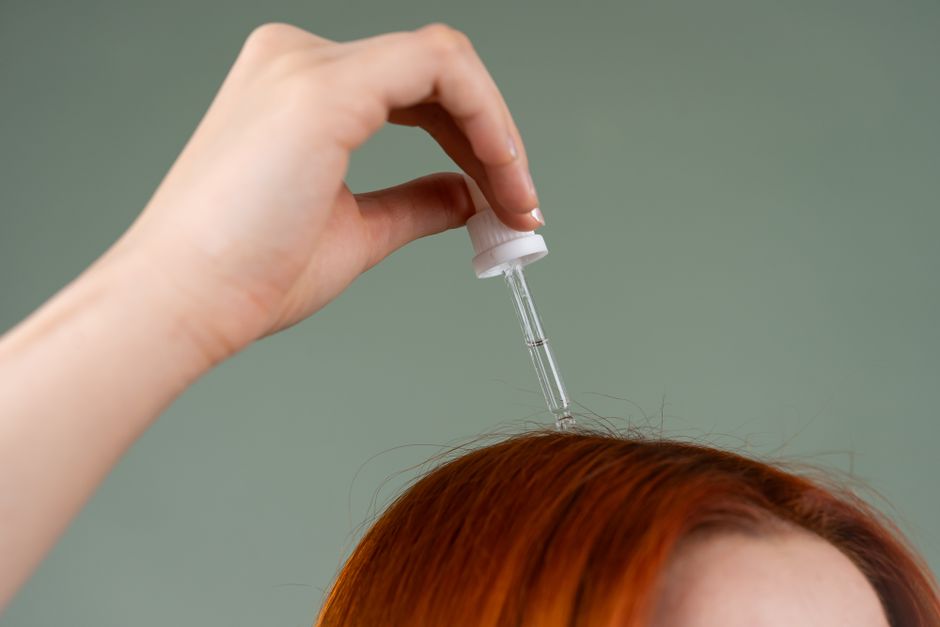
Most hair color products are designed to work on clean hair. If you have styling products like gel, mousse, dry shampoo, or heavy oils in your hair, the color may not absorb evenly. The short answer is no — it is not recommended to have product in your hair before coloring. For the most predictable results, your hair should be clean, dry, and free of buildup.
What happens when you color hair with product still in it?
Hair color works by lifting the outer cuticle layer to deposit or remove pigment. Product residues create a physical barrier. They can block the color from reaching the hair shaft evenly. This often leads to patchy, streaky, or dull results.
Some products contain silicones, waxes, or polymers that coat the hair. These ingredients are designed to resist water and hold style. They also resist the alkaline agents in hair color. The color may not fully penetrate those coated areas. The result is uneven color that fades faster in some spots.
Additionally, heavy product buildup can make it harder to see how the color is developing. The color may look fine during application but wash out differently. In worst cases, the color lifts more in product-free areas, creating unwanted contrast.
Does unwashed hair protect the scalp during coloring?
Many colorists recommend not washing hair immediately before coloring. But there is an important distinction. The advice about “dirty hair” refers to natural scalp oils, not styling product buildup.
Natural sebum can help reduce scalp irritation from hair color chemicals. A day or two of natural oil is usually fine. However, styling products like gel, mousse, or dry shampoo are different. They sit on the hair and scalp as artificial layers. They do not offer the same protective benefit. In fact, dry shampoo residue can absorb moisture and cause the color to lift unevenly.
So if you have product in your hair, the protective argument does not apply. You would still want to remove the product before coloring.
How different product types affect hair color
The effect depends on the ingredients in the product. Not all products interfere the same way. Below are common types and their known effects.
| Product Type | Typical Ingredients | Effect on Hair Color |
|---|---|---|
| Hair gel or mousse | Polymers, alcohol | Can create a film that blocks color penetration. Often dries out hair, leading to uneven lift. |
| Dry shampoo | Starches, clays, alcohol | Absorbs moisture and oil. Color may not adhere well; can leave chalky residue that interferes with pigment. |
| Hair spray | Plasticizers, copolymers | Forms a stiff, water-resistant coating. Very hard to fully remove without shampoo. Likely to cause patchiness. |
| Silicone serums or oils | Dimethicone, amodimethicone | Creates a smooth, hydrophobic barrier. Color may slide off or deposit unevenly. Buildup can require multiple washes to remove. |
| Pomade or wax | Petrolatum, beeswax | Thick, heavy coating. Color cannot penetrate well. May also interfere with developer activity. |
| Leave-in conditioner | Fatty alcohols, silicones, proteins | Can seal the cuticle, making it harder for color to lift or deposit. Some are designed to be color-safe, but still not ideal for before coloring. |
If you use any of these products, it is best to wash them out before coloring. A single shampoo and thorough drying is usually enough. Avoid conditioners or deep treatments right before color, as they can also coat the hair.




Can you remove product without washing your hair?
Some people try to brush out dry shampoo or flake off gel residue. This is rarely effective. Most styling products are designed to stay in the hair until washed with water and shampoo. Dry brushing may remove surface flakes, but the film remains.
Water alone is also unlikely to remove heavy silicones or waxes. Shampoo is needed to break down the residue. For very heavy buildup, a clarifying shampoo may be necessary. Clarifying shampoos contain stronger surfactants that strip product buildup more thoroughly. However, they can also strip natural oils, so use them only when needed and follow with a lightweight conditioner if your hair is dry.
If you absolutely cannot wash your hair before coloring, light products like a small amount of water-based mousse may cause minimal interference. But the safest approach is to start with clean, dry hair.
Is It Ok To Have Product In Hair Before Coloring? The professional consensus
Most professional hair colorists and product manufacturers recommend coloring clean, dry hair. The reason is consistency. When hair is clean, the color behaves predictably. Product residues create variables that make results harder to control.
Some at-home color kits instruct you to wash hair beforehand and not use any styling products. Others say hair should be dry and free of “heavy” products. If you are using a box dye, follow the specific instructions on that package. If you are going to a salon, your colorist will usually ask you to arrive with clean hair — or they may wash it for you before starting.
A common misconception is that “dirty hair” (with product) gives better coverage. This is not supported by evidence. The natural oil argument only applies to scalp protection, not to product buildup. In fact, many professional color lines specifically state that the hair should be free of any product residues for optimal color uptake.
In summary: yes, you can technically put color over product, but the results are less predictable. The risk of uneven, patchy, or too-light or too-dark areas is real. If you want the best outcome, wash and dry your hair first.
What about color that needs to be applied to oily hair?
Some hair color processes, particularly highlights using lightener, may benefit from a little natural oil to protect the scalp. However, that is a different scenario. The product in question is natural sebum, not styling products. Styling products are not a substitute.
If you have an oily scalp but still have product in your hair, the product residue sits on top of the oil. The oil underneath may still protect the scalp, but the product barrier can still cause issues. In this case, the best approach is to wash your hair the day before coloring. That way, the natural oils can return slightly overnight, but product residues are gone.
Waiting 24 to 48 hours after washing is a common professional compromise. Your scalp has a light protective oil layer, but your hair is essentially clean.
What if I accidentally put color over product?
If you realize mid-application that your hair has product in it, try to rinse it out immediately. However, once color is on, you cannot remove the product underneath. You can only wait for the process to finish and see the result.
If the color turns out uneven, you may need a corrective color service, a gloss, or a toning treatment. Some unevenness can be fixed by reapplying color to the lighter or darker areas, but that is best done by a professional. At-home corrective coloring risks further damage or patchiness.
Prevention is far easier. Take the extra 10 minutes to wash and dry your hair before coloring. It is one of the few steps that directly affects the final result.
Frequently Asked Questions
Can I color my hair if I used dry shampoo the same day?
It is not recommended. Dry shampoo creates a powdery film that can block color and cause uneven results. Wash it out before coloring.
Should I wash my hair the day before coloring if I have gel in it?
Yes. Wash and dry your hair at least 24 hours before coloring. This removes the gel and allows natural scalp oils to return slightly, which can reduce irritation.
Can I use conditioner before applying hair color?
No. Conditioner seals the hair cuticle, making it harder for color to penetrate. Only use shampoo — no conditioner, deep treatments, or styling products — on the day you color.
Is it okay to have natural oils in my hair when coloring?
A small amount of natural scalp oil (from 1–2 days without washing) is usually fine and may even help protect the scalp. But this does not apply to styling products — those should always be removed.
