
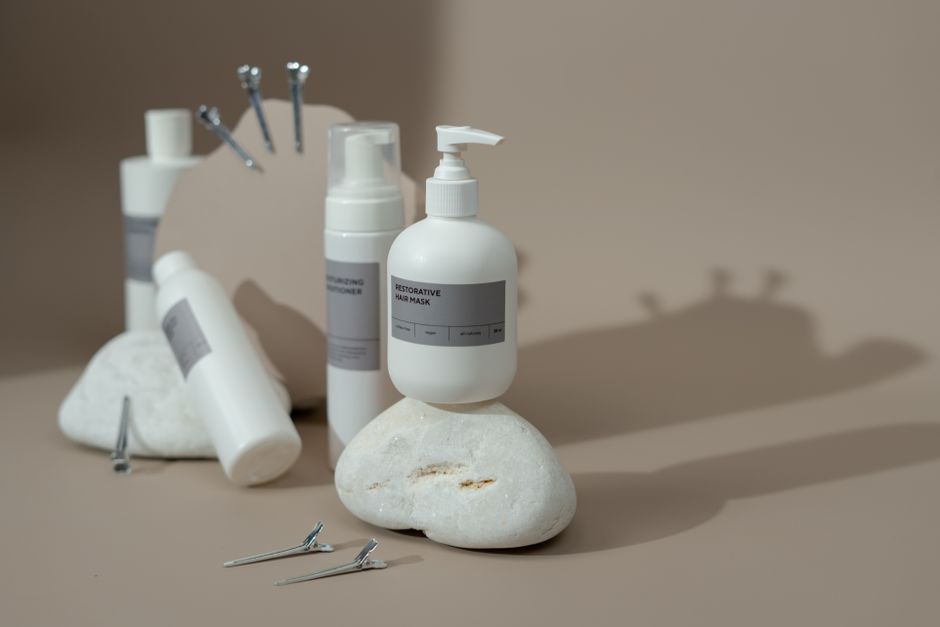
Making your own natural hair products is one of the most reliable ways to control exactly what goes onto your scalp and strands. For Black hair textures—which range from loose curls to tight coils—homemade formulas can avoid the sulfates, drying alcohols, and silicones found in many commercial products. You can create a basic moisturizing spray with water, aloe vera juice, and a lightweight oil, or a deep conditioner with shea butter, coconut oil, and a thickener like marshmallow root. The key is choosing ingredients that match your hair’s porosity and moisture needs, and storing them properly to prevent spoilage.
Why Make Your Own Natural Hair Products?
Commercial products marketed for Black hair often contain ingredients that provide short-term slip but long-term buildup. Silicones coat the hair shaft and can block moisture. Sulfates strip natural oils. Many also include fragrances that can irritate a sensitive scalp.
Homemade products let you avoid those chemicals entirely. You choose each ingredient based on your specific hair needs—high porosity, low porosity, protein sensitivity, or scalp conditions. You also save money over time, because you can buy raw ingredients in bulk and mix small batches.
That said, homemade products lack commercial preservatives. Without proper care, they can grow bacteria or mold. This is a real risk. You must store them in clean containers, use them within a short timeframe, and watch for any changes in smell or texture.
What Ingredients Work Best for Black Hair Textures?
Black hair is naturally drier than other hair types because the scalp’s natural oil (sebum) has a harder time traveling down tight coils. Ingredients that provide moisture, seal it in, and strengthen the hair shaft are most useful.
- Oils: Coconut oil can penetrate the hair shaft (some research confirms this), jojoba oil mimics sebum, and avocado oil is rich in fatty acids. Avoid mineral oil if you want true hydration—it sits on top of the hair.
- Butters: Shea butter and mango butter are thick emollients. Shea butter has proven anti-inflammatory properties and is a staple for sealing moisture.
- Aloe vera: Soothes the scalp and adds slip. It is water-based, so it provides hydration without grease.
- Humectants: Vegetable glycerin and honey draw moisture from the air into the hair. In very humid or very dry climates, adjust the amount—too much glycerin can make hair sticky or brittle.
- Herbal infusions: Marshmallow root, slippery elm, and flaxseed create a gel-like consistency that adds hold and moisture. These are well-tolerated and rarely cause irritation.
No single ingredient works for everyone. Porosity testing (the strand-in-water test) can help you decide: low porosity hair needs lighter oils and heat to open the cuticle; high porosity hair benefits from butters and protein treatments.
How To Make Natural Hair Products For Black Hair: Basic Recipes
These three recipes cover the most common needs: daily moisture, deep conditioning, and hold. Each uses simple ingredients available at grocery stores or online.
Moisturizing Spray (Daily Use)
- ½ cup distilled water (tap water can contain minerals that build up over time)
- ¼ cup aloe vera juice (store-bought, pure)
- 1 tablespoon vegetable glycerin
- 1 tablespoon jojoba oil or sweet almond oil
- Optional: 10 drops vitamin E oil (acts as a mild preservative and antioxidant)
Mix all ingredients in a spray bottle. Shake well before each use. Store in the refrigerator for up to one week. Shake and spray onto damp hair from roots to ends. This mix softens, hydrates, and seals lightly.
Deep Conditioner (Weekly or Biweekly)
- 2 tablespoons shea butter (melted)
- 2 tablespoons coconut oil (melted)
- 1 tablespoon honey
- 1 tablespoon aloe vera gel
- 1 mashed avocado (optional for extra moisture)
Combine all ingredients in a small bowl and whip until smooth. Apply to clean, damp hair. Cover with a plastic cap or shower cap. Leave on for 20–30 minutes (not longer—over-conditioning can leave hair mushy). Rinse thoroughly with cool water and shampoo lightly if needed. This recipe restores moisture and strengthens the hair shaft.
Flaxseed Gel (for Hold and Definition)
- ¼ cup whole flaxseeds
- 2 cups distilled water
- Optional: 1 teaspoon aloe vera gel or a few drops of essential oil for scent
Boil flaxseeds in water until the liquid turns thick and gel-like (about 10 minutes). Strain through a nylon stocking or fine sieve into a clean jar. Let cool completely. Refrigerate and use within 5–7 days. Apply to wet hair to define curls or coils. This gel provides light hold without alcohol or plasticizers.
Important: None of these products contain commercial preservatives. Always make small batches. Discard immediately if you see mold, separation, or an off smell.




How To Store Homemade Hair Products Safely
Water-based products like sprays and gels are the riskiest. Bacteria and fungi thrive in water. Always use distilled or boiled (cooled) water. Sterilize containers with boiling water or rubbing alcohol before filling.
Oil-only blends (e.g., a mixture of carrier oils and butters without water) are much more stable and can last several months at room temperature. Water-based recipes should be kept in the refrigerator and used within one week.
If you want longer shelf life without synthetic preservatives, you can add vitamin E oil (tocopherol), rosemary extract, or grapefruit seed extract—but these are not guaranteed preservatives. No large study has confirmed they prevent microbial growth in all conditions. The safest approach is small batches and short use times.
Common Mistakes To Avoid
Many first-time makers add too much oil or butter, leaving hair greasy and weighed down. Start with a modest amount and adjust. Another frequent error is using essential oils undiluted—they can cause scalp burns and allergic reactions. Always dilute essential oils in a carrier oil at a concentration of no more than 1–2% (about 10–12 drops per ounce of carrier).
Do not assume all natural ingredients are gentle on all scalps. Cinnamon, peppermint, and tea tree oil can be irritating to sensitive skin. Patch test any new ingredient on your inner arm or behind your ear before applying to your scalp.
Should You Add Protein to Your Homemade Products?
Protein treatments can strengthen hair that feels limp or over-moisturized. Ingredients like eggs, yogurt, or hydrolyzed proteins (sold as separate additives) can be mixed into deep conditioners. But too much protein makes hair brittle and breakable. Balance is key.
If you are unsure whether your hair needs protein, do a stretch test. Take a wet strand and gently pull it. If it stretches more than normal and does not return to shape, it may need protein. If it snaps immediately, it likely needs moisture. Some research suggests that overuse of protein can damage hair, so limit protein treatments to once a month unless your hair clearly needs more.
Frequently Asked Questions
How long can I store homemade hair products?
Water-based products last about one week in the refrigerator. Oil-only blends can last several months in a cool, dark place.
Can I use essential oils in my DIY hair products?
Yes, but always dilute them in a carrier oil. Peppermint and rosemary are popular for stimulating the scalp, but patch test first to avoid irritation.
What is the best natural product for low porosity hair?
Light oils like grapeseed or jojoba, and aloe-based sprays work well because they do not sit on top of the hair. Avoid heavy butters like shea unless they are whipped very light.
Is coconut oil good for all Black hair types?
No. Coconut oil can penetrate the hair shaft and works well for medium to high porosity hair. Some people with low porosity hair find it makes hair stiff or dry.
Making your own natural hair products for Black hair gives you control, saves money, and lets you customize for your unique texture. Start with one simple recipe, watch how your hair responds, and adjust. The evidence supports that avoiding harsh chemicals benefits hair health, but homemade products require careful handling. With proper storage and realistic expectations, DIY hair care can be a practical part of your routine.
