
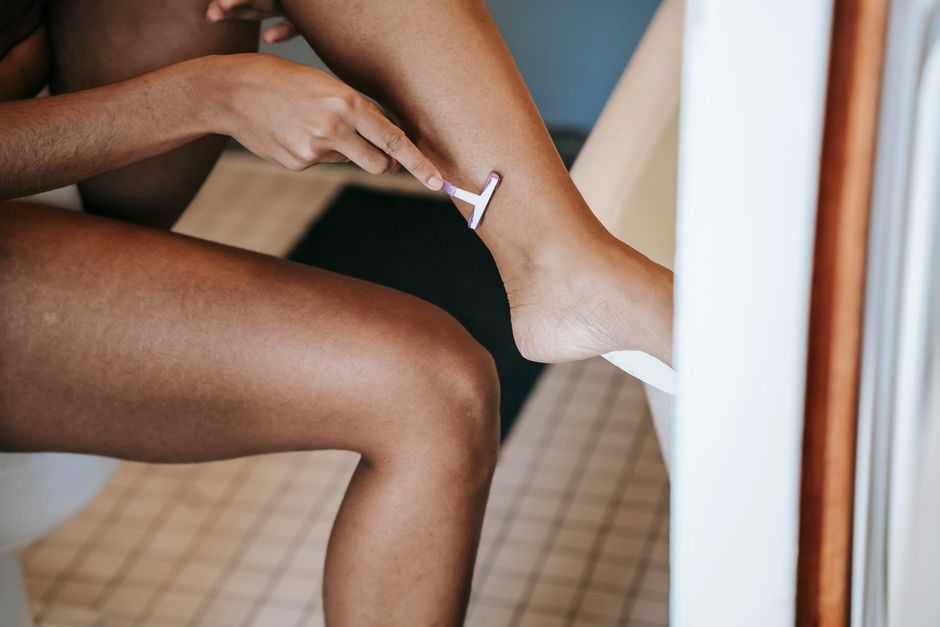
Trim the hair to a quarter inch, soak in warm water for five minutes, apply shaving gel, and shave in the direction of growth using a fresh razor. Rinse with cool water and apply an unscented moisturizer. This guide walks through each step with tips to reduce irritation and ingrown hairs.
How do you prepare the skin before shaving pubic hair?
Preparation prevents most shaving problems. Start by soaking the area in warm water for at least five minutes. A warm shower or bath softens the hair and opens the pores. This makes the hair easier to cut and lowers the chance of razor burn.
Exfoliate gently before shaving. Use a soft washcloth or a mild body scrub to remove dead skin cells. This lifts the hairs away from the skin so the razor can cut them cleanly. Do not scrub hard — the pubic area is sensitive.
Never shave dry pubic hair. Dry shaving causes micro-cuts, irritation, and increases infection risk. Always use warm water and a shaving product designed for sensitive skin.
What is the best way to trim pubic hair before shaving?
Long hair clogs razors quickly and pulls during shaving. Trim first with clean scissors or an electric trimmer with a guard. Trim to about a quarter inch (6 mm). This length is short enough for a close shave but long enough to avoid razor drag.
Use a trimmer designed for body hair, not a beard trimmer that may be too harsh. If using scissors, be careful not to nick the skin. Trim in good lighting and pull the skin taut to see the hairline clearly.
Do not use a razor on untrimmed hair. The hair will bunch up between the blades and cause tugging, which leads to cuts and irritation.
How do you shave pubic hair step by step?
Use a fresh, sharp razor. A dull blade requires multiple passes, which irritates the skin. Replace the razor after five to seven uses or sooner if it feels rough.
Apply a thick layer of shaving gel or cream formulated for sensitive skin. Avoid products with alcohol, fragrance, or menthol — these sting and dry the skin. Plain aloe vera gel can work if you have nothing else.
Shave in the direction the hair grows. For most people, pubic hair grows downward or outward. Shaving against the grain (upward) gives a closer shave but greatly increases the risk of ingrown hairs and razor bumps. Shave with the grain for the first pass, then only go against the grain if needed and if your skin tolerates it.
Use short, light strokes. Rinse the razor after every stroke. Pull the skin flat with your free hand — this exposes the hair root and prevents nicks on folds or curves.
Do not press hard. The razor’s weight is enough. Pressing causes cuts. Go slowly around the labia or scrotum where skin is looser.
For the bikini line, follow the natural edge. Do not try to create sharp geometric lines freehand — this often leads to uneven results and irritation. Use a mirror for hard-to-see areas.





How do you prevent razor burn and ingrown hairs?
Razor burn and ingrown hairs are the most common complaints. Razor burn looks like red, inflamed skin and feels sore. Ingrown hairs occur when the cut hair curls back into the skin instead of growing out.
To prevent these, shave with the grain as described. Avoid stretching the skin too tightly — this can cause the hair to retract and then grow back under the surface. Do not shave the same area more than twice.
Shave only every two to three days to allow the skin to recover. Shaving daily in the pubic area almost guarantees irritation for most people.
Some research suggests that products containing salicylic acid or glycolic acid can help prevent ingrown hairs by exfoliating the skin. However, these products can sting freshly shaved skin. Wait 24 hours after shaving before applying them. Start with a low concentration and test on a small area first.
Wear loose cotton underwear after shaving. Tight synthetic fabrics trap sweat and rub against the shaved skin, increasing irritation and infection risk.
What should you do after shaving pubic hair?
After your last stroke, rinse the area with cool water. Cool water closes the pores and soothes the skin. Pat dry with a clean towel — do not rub.
Apply a fragrance-free, alcohol-free moisturizer or a plain oil like coconut oil or jojoba oil. Moisturizing reduces dryness and itching that often starts a day or two after shaving.
Do not apply deodorant, talcum powder, or scented lotions. These products contain chemicals that irritate freshly shaved skin. Plain aloe vera is a safe alternative if you want a cooling effect.
Avoid sexual activity for at least 24 hours after shaving. The skin is more vulnerable to friction and micro-tears, which can increase the risk of irritation or infection.
If you see small red bumps that do not go away after a few days, stop shaving and give the skin time to heal. These may be ingrown hairs or early folliculitis (hair follicle infection). Keep the area clean and dry. See a doctor if bumps become painful, fill with pus, or spread.
Are there safer alternatives to shaving pubic hair?
Shaving is quick and cheap but carries the highest risk of irritation and cuts. Alternatives include trimming with electric clippers, using a depilatory cream formulated for the bikini area, waxing, laser hair removal, or simply leaving the hair natural.
Trimming with a guard leaves short hair without removing it completely. This avoids nearly all shaving-related skin problems. Depilatory creams dissolve hair above the skin surface. They can cause chemical burns if left on too long, so follow package directions exactly and test on a small area first. Do not use cream on genital mucous membranes.
Waxing removes hair from the root, giving smoother results that last two to six weeks. It is painful and can cause redness, ingrown hairs, and skin lifting if done incorrectly. Professional waxing is safer than home waxing for the pubic area.
Laser hair removal offers long-term reduction. Multiple sessions are needed, and it is expensive. It works best on people with dark hair and light skin. Results are not permanent for everyone. Speak to a licensed provider about risks and realistic outcomes.
No method is completely risk-free. Pubic hair serves a biological purpose — it reduces friction and protects the skin from bacteria. Removing it is a cosmetic choice, not a health requirement. Choose the method that matches your skin sensitivity and comfort with maintenance.
Frequently Asked Questions
How often should you shave pubic hair?
Every two to four days is typical. Shaving more often than every other day increases irritation risk. Allow the skin to recover between shaves.
What is the best razor for shaving pubic hair?
Use a razor with a pivoting head, multiple blades, and a moisture strip. Replace the blade regularly. A razor designed for sensitive skin or women is fine but not required.
Should men shave their pubic hair differently than women?
The basic steps are the same for everyone. Men should take extra care on the scrotum because the skin there is loose and easily cut. Pull the skin taut and use light pressure.
Can shaving pubic hair cause infections?
Yes. Small cuts from shaving can become infected with bacteria. Signs include redness, swelling, pus, or warmth. Keep the area clean and avoid shaving until healed. See a doctor if symptoms worsen.
