
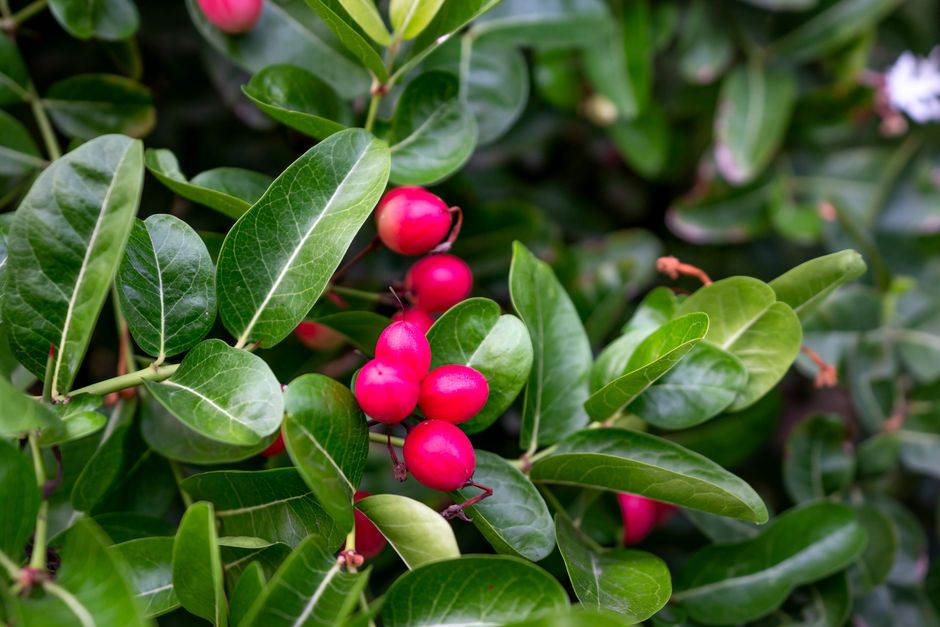
Miracle fruit is a small red berry native to West Africa with a surprising effect on taste. When you eat the berry, or products made from it, sour foods like lemons, vinegar, and pickles taste sweet. The effect is temporary, usually lasting 30 minutes to two hours. The berry itself is not widely known, but interest in it has grown as people look for ways to reduce sugar intake.
What Is Miracle Fruit?
Miracle fruit comes from the plant Synsepalum dulcificum, a shrub that grows in tropical West Africa. The berry contains a glycoprotein called miraculin. Miraculin is the active compound responsible for the taste-altering effect. When miraculin comes into contact with your taste buds, it binds to the sweet receptors on your tongue.
At a normal pH, miraculin does not activate the sweet receptor on its own. But when you eat something acidic, the change in pH causes the protein to change shape. This shape change triggers the sweet receptor, so your brain registers sweetness. The result is that a sour lemon tastes like lemonade, and plain vinegar tastes almost like apple juice.
This is not a flavor enhancer in the usual sense. It does not add sweetness to food. It changes how your taste buds perceive sour and acidic foods. The effect is entirely temporary and does not permanently alter your sense of taste.
How Does Miracle Fruit Work in the Body?
The mechanism of miracle fruit is well understood at the molecular level. Miraculin is a glycoprotein, which means it is a protein with sugar molecules attached. It interacts specifically with the TAS1R2 and TAS1R3 receptors on your tongue. These are the same receptors that detect natural sugars like glucose and fructose.
Under normal conditions, miraculin sits on the receptor without triggering a signal. Acidic foods lower the pH in your mouth. This acidic environment changes the shape of the miraculin molecule. The altered shape now fits the sweet receptor in a way that activates it. Your brain receives a signal for sweetness even though no sugar is present.
Research on this mechanism has been published in peer-reviewed journals, including work in Proceedings of the National Academy of Sciences. The basic biology is not in dispute. What remains less studied is how this effect translates into real-world dietary changes over months or years.
One important detail: miraculin does not work on all foods. It only affects foods that are acidic. Bitter foods, salty foods, and neutral foods are largely unchanged. Sour and acidic foods are the ones that suddenly taste sweet.
Can Miracle Fruit Help You Eat Less Sugar?
This is the main reason most people try miracle fruit. The idea is simple: if a lemon tastes sweet, you might not need added sugar in your drinks or desserts. Some research supports this idea in the short term. Studies have shown that people report enjoying low-sugar or no-sugar foods more when they use miracle fruit.
For example, some research suggests that miracle fruit can make plain yogurt, grapefruit, and even vinegar-based dressings more palatable without added sugar. This has led some dietitians to consider it a useful tool for people trying to reduce added sugar intake. However, the evidence base is still small. Most studies are short-term and involve small numbers of participants.
No large clinical trials have confirmed that miracle fruit leads to lasting reductions in sugar consumption. Some evidence indicates that people do eat less sugar while the effect is active. Whether this carries over to long-term habits is not clear. The berry is not a treatment for diabetes, obesity, or any other condition. It is a taste modifier.
If you are considering miracle fruit as a sugar-reduction aid, it may work as a temporary strategy. It does not address cravings for sweet foods themselves. Once the effect wears off, your normal taste returns. Some people find this helpful for retraining their palate. Others find it frustrating because the effect is short-lived.





Is Miracle Fruit Safe to Eat?
Miracle fruit is generally recognized as safe for most people when eaten in normal food amounts. The berry has been consumed in West Africa for centuries. In the United States, the Food and Drug Administration approved miraculin as a food additive in the 1970s, though that approval was later withdrawn under circumstances that were more about regulatory process than safety concerns. The FDA has not issued a current safety warning against it.
That said, there are important cautions. The most significant risk is practical: if you eat miracle fruit and then consume something very acidic, you may find the sweetness overwhelming. Some people report that the effect is intense enough to be unpleasant. There is no evidence that this is harmful, but it can be a surprising experience.
People with certain medical conditions should be cautious. If you have diabetes, miracle fruit does not contain meaningful amounts of sugar, but it may change how you perceive food. If you are on medications that affect taste or appetite, the effect may interact with those. No clinical guidelines currently exist for these populations. If you have a medical condition, talk to your doctor before using miracle fruit regularly.
Pregnant and breastfeeding women should also be cautious. The berry is a food, and eating it occasionally is likely fine. But no safety studies have been conducted in these populations. No clinical guidelines currently exist for pregnant or breastfeeding women. If you are pregnant or nursing, treat miracle fruit as you would any unfamiliar food: eat it in small amounts and monitor how you feel.
How to Use Miracle Fruit
Miracle fruit is available in several forms. The whole berry is the most traditional form, but it is perishable and rarely available fresh outside West Africa. Most people buy freeze-dried berries, tablets, or powders. These products are widely available online.
To use the whole berry, chew it slowly and let it coat your tongue. The effect usually begins within a minute or two. Swish the pulp around your mouth for about 30 seconds before swallowing. For tablets or powders, follow the manufacturer’s instructions. Most products recommend letting the tablet dissolve on your tongue.
The effect typically lasts 30 minutes to two hours. The duration varies from person to person. Some factors that may affect duration include how much of the berry you eat, your saliva production, and what you eat afterward. Drinking water does not wash away the effect, but very hot liquids may shorten it.
One common mistake is eating the berry with sweet foods. Miracle fruit does not make sweet foods sweeter. It only affects sour and acidic foods. If you eat a piece of chocolate after taking miracle fruit, you may not notice any difference. Save the berry for foods that are tart or acidic.
What Does Miracle Fruit Taste Like?
The berry itself has a mild, slightly sweet flavor. Most people describe it as bland or slightly fruity. The real experience comes from what you eat afterward. Lemons taste like lemon candy. Grapefruit loses its bitterness. Balsamic vinegar tastes sweet and rich. Plain yogurt becomes dessert-like.
The effect is not the same as adding sugar. Sugar adds sweetness on top of the existing flavor. Miracle fruit changes the flavor profile entirely. A lemon still tastes like a lemon, but the sourness is replaced by sweetness. This can be a surprisingly pleasant experience, especially for people who enjoy tart foods.
Some people use miracle fruit for “flavor tripping” parties, where guests taste different foods and compare reactions. This is a social activity, not a medical treatment. It can be a fun way to experience the berry’s effect, but it does not provide any health benefit beyond the temporary taste change.
Miracle Fruit vs. Artificial Sweeteners
Miracle fruit is sometimes compared to artificial sweeteners, but the comparison is not accurate. Artificial sweeteners like aspartame, sucralose, and stevia provide sweetness directly. They activate the sweet receptor without any change in pH. Miracle fruit only works in the presence of acid.
This difference matters for practical use. Artificial sweeteners can sweeten anything. Miracle fruit only sweetens acidic foods. You cannot use miracle fruit to sweeten coffee, tea, or baked goods unless they contain enough acid. Some people combine miracle fruit with a small amount of citrus juice to create a sweet-tasting drink without added sugar.
Another difference is calorie content. Miracle fruit contains negligible calories. It is not a source of nutrition, but it does not add calories either. Artificial sweeteners also contain negligible calories, but some people prefer to avoid them due to concerns about long-term effects. Miracle fruit offers a different option for people who want to avoid both sugar and artificial sweeteners.
Where to Buy Miracle Fruit
Miracle fruit is not commonly found in grocery stores. It is usually sold online through specialty retailers. Freeze-dried berries are the most common form. Tablets and powders are also available. Prices vary, but the berry is generally affordable compared to specialty supplements.
When buying miracle fruit, look for products that specify the source and processing method. Freeze-dried berries tend to retain more potency than heat-dried ones. Check the expiration date, as the active compound degrades over time. Store miracle fruit in a cool, dry place away from direct sunlight.
Be cautious about products that claim miracle fruit can cure or treat diseases. No clinical evidence currently confirms any therapeutic use beyond taste modification. If a product makes bold health claims, it is likely marketing noise. Stick to reputable sellers and read reviews from other users.
Frequently Asked Questions
How long does the effect of miracle fruit last?
The effect typically lasts 30 minutes to two hours. Duration varies by person and how much of the berry you consume.
Can miracle fruit help with weight loss?
Some research suggests it may help reduce sugar intake in the short term. No clinical evidence confirms it causes weight loss on its own.
Is miracle fruit safe for children?
No clinical guidelines currently exist for children. The berry is a food, but parents should use caution and consult a pediatrician before giving it to a child.
Does miracle fruit work on all sour foods?
It works on foods that contain acid, such as citrus fruits, vinegar, and fermented foods. It does not affect bitter, salty, or neutral foods.
