
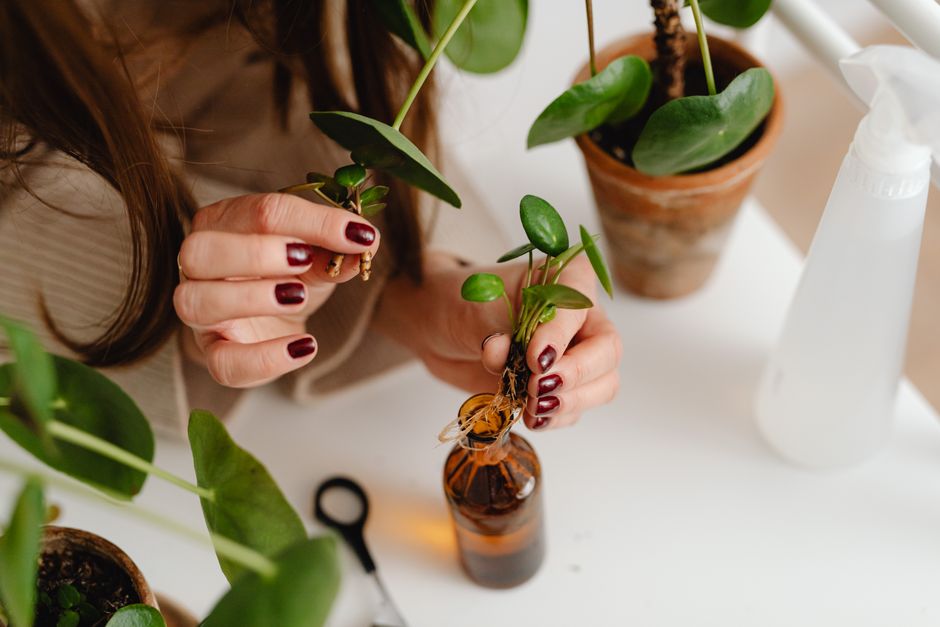
Aeonium ‘Black Rose’ propagates most reliably from stem cuttings, not leaves. Cut a healthy stem, let the cut end dry and callus for a few days, then plant it in fast-draining soil. Roots usually form within a few weeks in mild weather. Leaf propagation is possible in theory but rarely succeeds with this cultivar, and seed-grown plants often do not match the parent’s dark color.
Aeonium ‘Black Rose’ is a rosette-forming succulent known for deep purple-black leaves. It is widely grown as a container plant and is hardy outdoors only in frost-free climates. The sections below explain each propagation method, the timing that works, and the mistakes that cause cuttings to rot.
What Makes Aeonium ‘Black Rose’ Different From Other Succulents?
Aeoniums grow actively in cool weather and slow down or go dormant in hot, dry summers. This is the opposite of most common succulents, which grow in warm months and rest in winter. That reversed cycle changes when you should propagate.
The plant also branches less freely than many succulents. A single rosette on a bare stem is common. You often need to cut the main stem to force branching, which means propagation and shaping happen together.
One more difference matters for expectations. The dark color is a response to light and stress, not a fixed trait in every offspring. A cutting taken from a black rosette will usually stay dark because it is genetically identical to the parent. A seedling will not, which is a key reason cuttings are preferred.
How To Propagate An Aeonium Black Rose From Stem Cuttings
Stem cuttings are the standard method and the one most likely to succeed. The steps are simple, but the timing of each step matters more than most guides admit.
- Choose a stem with a healthy rosette and no soft or discolored tissue.
- Cut with clean, sharp scissors or a knife. Make one cut rather than sawing.
- Remove the lower leaves to expose a few inches of bare stem.
- Set the cutting aside in a dry, shaded spot so the cut surface dries and forms a callus. This usually takes a few days to a week, depending on humidity.
- Plant the callused end in a pot of fast-draining mix.
- Wait about a week before watering, then water lightly.
The callus step is the one people skip. A fresh cut placed straight into moist soil is an open door for rot. Letting the wound dry seals it and greatly improves the odds.
When To Take The Cutting
Take cuttings when the plant is actively growing. For most aeoniums that means the cooler months of the year. In mild climates this is fall through spring. In hot-summer regions, aim for fall or early spring so the cutting roots before summer dormancy sets in.
Cutting during peak summer heat is the most common reason a cutting fails. The plant is resting, root formation is slow, and the stem sits in soil long enough to rot.
Soil And Pot Choice
Use a gritty mix that drains fast. A commercial cactus and succulent blend works, and many growers add extra pumice or perlite to improve drainage further. A pot with a drainage hole is not optional. Water that cannot escape is the main cause of failed cuttings.
Terracotta is a reasonable choice because it wicks moisture away from the soil. Plastic works too if you water less often. The material matters less than drainage.
Can You Propagate Aeonium ‘Black Rose’ From A Single Leaf?
Leaf propagation is unreliable for this plant. Many succulents, such as echeveria and sedum, grow a whole new plant from a single leaf placed on soil. Aeoniums generally do not do this well, and ‘Black Rose’ is no exception.
Some growers report occasional success. The honest position is that it is inconsistent and slow, and most leaves simply shrivel without producing a plant. If you want to try, twist a healthy leaf off cleanly, let it dry for a few days, and lay it on top of dry soil. Do not bury it. Keep it out of direct sun. Expect nothing for weeks, and do not be surprised if nothing happens.
For a plant you actually want to multiply, use a stem cutting. It is faster, more certain, and produces a plant identical to the parent.





Can You Grow Aeonium ‘Black Rose’ From Seed?
Seed is possible but rarely the best route. The main problem is genetic variation. Seeds come from flowers that were pollinated, and the resulting plants may look quite different from the parent, including a lighter or greener color.
Seed also takes far longer to reach a plant of any size. For a named cultivar like ‘Black Rose’, where the dark color is the whole point, cuttings preserve exactly what you have. Seed does not.
If you do grow from seed, sow on the surface of a moist, well-draining mix and keep it lightly humid until germination. Germination and early growth are slow compared with rooting a cutting.
How Long Does It Take For Cuttings To Root?
Rooting time varies with temperature, light, and the plant’s growth stage. In cool, active growing conditions, a stem cutting typically begins forming roots within a few weeks. In hot dormancy, it may take much longer or fail entirely.
Do not tug on the cutting to test for roots. That can break the new roots as they form. Instead, watch for the rosette to look firm and for new growth at the center. Those are better signs than a calendar.
Once roots are established and the plant shows active growth, you can move it to brighter light and begin normal watering for an aeonium. Full sun right after rooting can scorch a plant that has not yet built a strong root system.
What Causes Aeonium Cuttings To Rot?
Rot is the leading cause of failure, and it almost always traces back to excess moisture. A cutting with no roots cannot take up much water, so wet soil just sits against the stem.
The main contributors are planting before the cut calluses, watering too soon, using soil that holds water, and keeping the pot in a spot with no airflow. Cool, damp conditions make it worse.
Watch for a stem that turns soft, dark, and mushy at the base. That is rot, and it usually means the cutting is lost. If only the very bottom is affected, you can sometimes cut above the damage, let it callus again, and restart. There is no reliable way to reverse rot once it spreads up the stem.
Light, Water, And Aftercare For New Plants
New cuttings want bright, indirect light at first. Direct midday sun can stress a plant with no roots. Once roots form and growth resumes, gradually increase light. The deep color develops best with good light, since the dark pigment responds to sun exposure.
Water sparingly until roots are working. After that, water when the soil is dry, and reduce watering during the plant’s summer dormancy. Overwatering in summer is a common way to lose an otherwise healthy aeonium.
These plants are not frost hardy. In cold climates, keep them in containers you can move indoors before freezing temperatures arrive. A light frost can damage or kill a plant that has no protection.
Frequently Asked Questions
Can you propagate Aeonium ‘Black Rose’ from a leaf?
It is possible but unreliable, and most single leaves do not produce a new plant. Stem cuttings are far more dependable for this cultivar.
How long does it take an Aeonium ‘Black Rose’ cutting to root?
In cool, active growing conditions, roots usually begin forming within a few weeks. In hot summer dormancy, rooting is slow and often fails.
Do you need to let the cutting dry before planting?
Yes. Letting the cut end callus for a few days to a week before planting greatly reduces the risk of rot. Planting a fresh, wet cut into soil is a common cause of failure.
Why is my Aeonium ‘Black Rose’ cutting turning soft and dark?
That is rot, usually from too much moisture, poor drainage, or planting before the cut dried. Cut above the damaged area, let it callus again, and restart in dry, fast-draining soil.
