
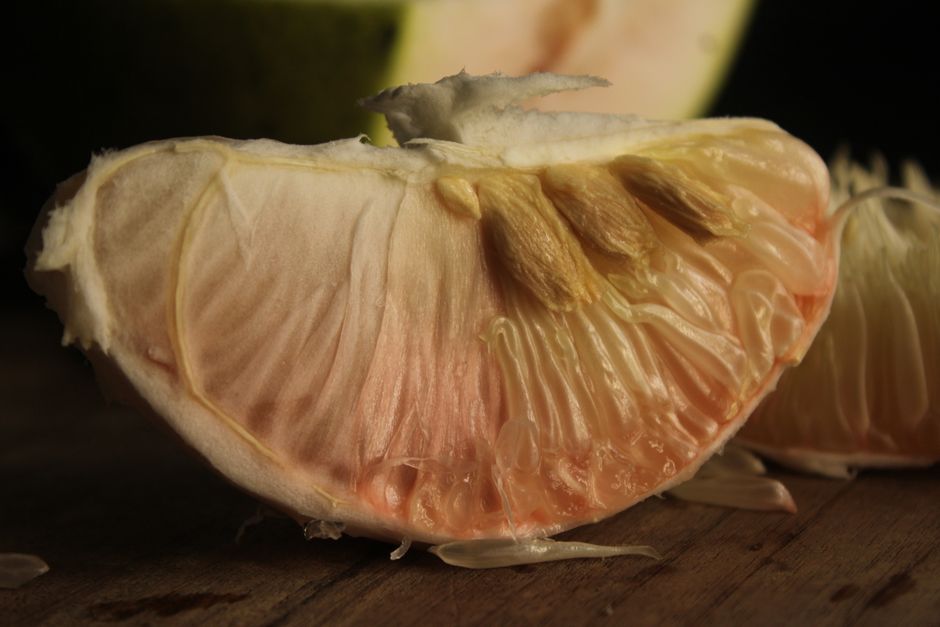
A pummelo is the largest citrus fruit in the world, and it tastes like a milder, sweeter grapefruit without the bitter edge. It is a natural citrus fruit, not a hybrid, and it is one of the parent fruits of the modern grapefruit. A single fruit can weigh anywhere from 2 to 4 pounds, with a thick rind and pale green to yellow skin. Inside, the segments range from pale yellow to deep pink, and the flavor is gently sweet with very little sourness.
What Is A Pummelo Fruit Taste Nutrition More? Key Facts
The pummelo (Citrus maxima) is a citrus species native to Southeast Asia. It has been cultivated for thousands of years in countries like Thailand, Malaysia, Indonesia, and China. Despite its size, most of the fruit’s weight is rind and pith — the edible portion is smaller than you might expect.
The taste is the first thing people notice. Unlike grapefruit, which carries a distinct bitterness from compounds called naringin, pummelo is mild and sweet. The flesh is firm and crisp rather than juicy and soft. Some varieties taste almost floral. Others lean slightly tart. The thick pith is bitter and is usually removed before eating.
Nutritionally, pummelo is a good source of vitamin C and provides dietary fiber, potassium, and small amounts of other vitamins and minerals. It is low in calories. According to USDA nutritional data, 100 grams of raw pummelo provides roughly 38 calories and about 61 milligrams of vitamin C. The exact values vary by variety and growing conditions.
How Does Pummelo Taste Compared to Grapefruit and Pomelo?
Pummelo and pomelo are the same fruit. The spelling varies by region — “pomelo” is more common in some countries, while “pummelo” is the standard name used by the USDA. There is no difference between them.
Grapefruit is a different story. Grapefruit is a hybrid that arose from a cross between pummelo and sweet orange. That crossing is why grapefruit inherited some of pummelo’s size and citrus character but also developed its own bitterness.
Side by side, the differences are clear:
- Sweetness: Pummelo is noticeably sweeter and lacks the sharp bitter note of grapefruit.
- Texture: Pummelo segments are firmer and hold their shape. Grapefruit is juicier and softer.
- Size: Pummelo is much larger, often two to three times the size of a grapefruit.
- Rind: Pummelo has a very thick rind and pith. Grapefruit rind is thinner.
People who find grapefruit too bitter often enjoy pummelo. People who prefer a tart, acidic bite may find pummelo too mild.
What Nutrients Does Pummelo Provide?
Pummelo delivers a solid nutritional profile for a fruit its size. The table below uses USDA data per 100 grams of raw pummelo flesh.
| Nutrient | Amount per 100g |
|---|---|
| Calories | 38 kcal |
| Vitamin C | 61 mg |
| Carbohydrates | 9.6 g |
| Fiber | 1 g |
| Potassium | 216 mg |
| Protein | 0.8 g |
| Fat | 0 g |
Vitamin C is the standout nutrient. A 100-gram serving provides about 68% of the Daily Value for adults, based on the FDA’s 90 mg Daily Value for vitamin C. Since a single pummelo can yield several hundred grams of edible flesh, one fruit can easily cover a full day’s vitamin C needs.
Potassium is also present in meaningful amounts. Fiber content is modest — about 1 gram per 100 grams — which is lower than many people assume for a fruit. The thick pith does contain fiber, but most people remove it because of the bitter taste.
Pummelo also contains small amounts of antioxidants, including flavonoids and limonoids. These compounds are found in all citrus fruits. Lab studies have examined their potential effects, but human clinical trials showing specific health outcomes from pummelo antioxidants are limited.





Does Pummelo Interact With Medications?
This is the most important safety consideration for anyone taking prescription drugs. Pummelo, like grapefruit, contains compounds called furanocoumarins that can interfere with how the body breaks down certain medications.
These compounds block an enzyme in the gut called CYP3A4. That enzyme normally helps break down many drugs before they enter the bloodstream. When it is blocked, drug levels can rise higher than intended. For some medications, that means a greater risk of side effects.
Drugs that may interact with pummelo include certain:
- Statins (cholesterol-lowering medications)
- Blood pressure medications (calcium channel blockers)
- Immunosuppressants
- Some anti-anxiety medications
- Certain anti-arrhythmia drugs
The evidence for pummelo’s interaction potential comes largely from studies on grapefruit, which contains similar furanocoumarins. Research specifically on pummelo is more limited. But the shared chemistry means the concern is real.
If you take any prescription medication, talk to your pharmacist or doctor before eating pummelo regularly. This is not a reason to panic — it is a reason to ask a specific question about your specific medication.
How Do You Choose and Eat a Pummelo?
Picking a good pummelo starts with weight. A ripe fruit feels heavy for its size, which means it has more juice. The skin should be pale green to yellow and slightly soft to the touch, not rock hard. Some brown spots on the skin are normal and do not affect the flesh.
To eat it, cut off the top and bottom, then slice away the thick rind and pith in strips. Once the pale flesh is exposed, you can pull the segments apart by hand. The membrane around each segment is tough and usually removed. Many people eat the segments plain, add them to salads, or use them in salsas and desserts.
Pummelo can be stored at room temperature for about a week. In the refrigerator, it keeps longer — up to two to three weeks in the crisper drawer. Once cut, it should be wrapped and refrigerated, and eaten within a few days.
Is Pummelo a Hybrid or a Natural Fruit?
Pummelo is a natural species, not a man-made hybrid. It grows wild in parts of Southeast Asia and has been cultivated for so long that its exact origins are difficult to trace. Genetic studies consistently place it as one of the three ancestral citrus species, along with mandarin and citron.
This matters because many modern citrus fruits — oranges, lemons, limes, grapefruit — are hybrids created from combinations of those three ancestors. Pummelo is one of the roots of the citrus family tree, not a branch.
The fruit’s size is a clue to its ancient origins. Before modern breeding focused on sweetness and thin rinds, citrus fruits tended to be larger with thicker protective skins. Pummelo retains that ancestral build.
Does Pummelo Have Any Proven Health Benefits?
Pummelo provides vitamin C and potassium, both of which are essential nutrients with well-established roles in the body. Vitamin C supports immune function and collagen production. Potassium helps regulate blood pressure and muscle function. Those are established facts about the nutrients, not claims about the fruit curing anything.
Beyond basic nutrition, the evidence for specific health benefits from pummelo is thin. Some lab and animal studies have looked at citrus flavonoids and their potential effects on inflammation or cholesterol. But these are early-stage findings. No large human trials have confirmed that eating pummelo produces specific disease-prevention outcomes.
What can be said honestly: pummelo is a low-calorie fruit that contributes vitamin C, potassium, and water to the diet. It fits well into a balanced eating pattern. It is not a treatment for any condition, and no clinical evidence currently confirms it prevents or cures disease.
Frequently Asked Questions
Is pummelo the same as pomelo?
Yes, pummelo and pomelo are two spellings for the same fruit, Citrus maxima. “Pummelo” is the standard name used by the USDA, while “pomelo” is more common in everyday use.
Can you eat pummelo if you take statins?
You should ask your doctor or pharmacist first, because pummelo contains compounds that can raise blood levels of certain statins and other drugs. The interaction risk is based mainly on research with grapefruit, which shares similar chemistry.
Is pummelo sweeter than grapefruit?
Yes, pummelo is noticeably sweeter and lacks the bitter taste that grapefruit gets from a compound called naringin. Its flesh is also firmer and less juicy than grapefruit.
How much vitamin C is in a pummelo?
According to USDA data, 100 grams of raw pummelo provides about 61 milligrams of vitamin C, which is roughly 68% of the Daily Value for adults. A whole fruit contains several hundred grams of edible flesh, so one fruit can exceed a day’s vitamin C needs.
