
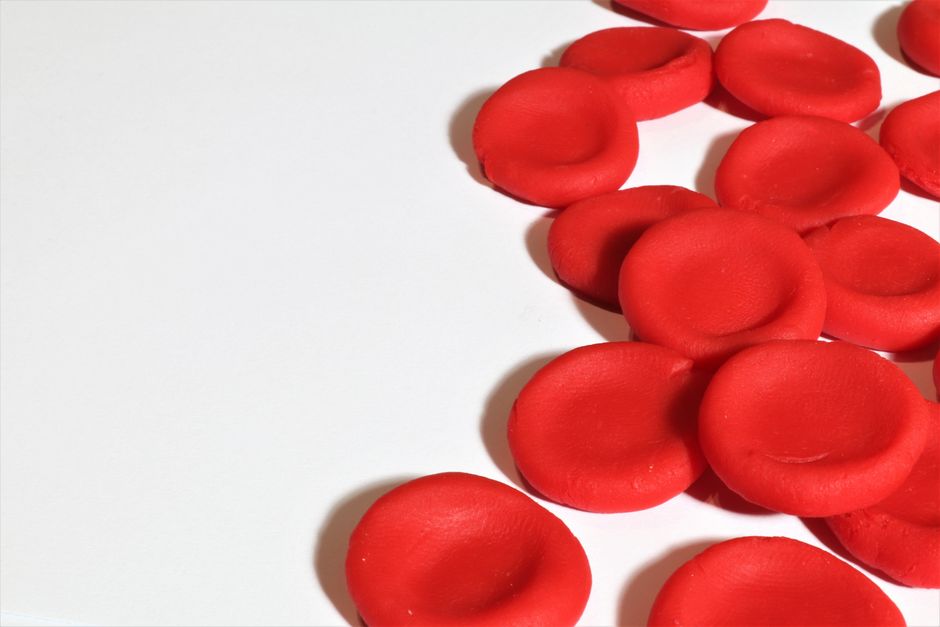
Mean cell hemoglobin (MCH) is a measure of the average amount of hemoglobin inside a single red blood cell. A high MCH means your red blood cells have more hemoglobin than usual. A low MCH means they have less. A normal MCH result typically falls between 27 and 31 picograms per cell. This number alone does not diagnose a condition. It is one piece of a larger picture that doctors use alongside other blood test results.
What Does Mean Cell Hemoglobin High Low And Normal Actually Mean?
MCH is part of a complete blood count (CBC). The test measures your red blood cells, white blood cells, and platelets. When a lab runs a CBC, they look at several red blood cell indices. MCH is one of them. The others are mean corpuscular volume (MCV) and mean corpuscular hemoglobin concentration (MCHC). These numbers help doctors figure out what is happening inside your blood.
Think of hemoglobin as the protein that carries oxygen. Each red blood cell holds a certain amount. MCH tells you the average weight of hemoglobin per cell. If the number is high, each cell is carrying extra hemoglobin. If it is low, each cell is carrying less.
The normal range for MCH is 27 to 31 picograms per cell. Labs may vary slightly, but this is the standard. Your doctor will compare your result to this range. A result outside this range does not automatically mean something is wrong. It means your doctor needs to look deeper.
What Causes High MCH Levels?
High MCH usually means your red blood cells are larger than normal. This is called macrocytosis. When cells are big, they can hold more hemoglobin. The most common cause of high MCH is a vitamin B12 deficiency or a folate deficiency. Without enough of these vitamins, your body cannot make red blood cells properly. The cells that survive are often oversized.
Research published in the American Journal of Clinical Pathology found that about 80% of macrocytic anemia cases are linked to B12 or folate deficiency. Alcohol use is another major cause. Heavy drinking directly affects how your bone marrow produces red blood cells. It can cause the cells to swell.
Other causes include hypothyroidism, liver disease, and certain medications. Drugs used for chemotherapy, HIV, and seizures can raise MCH. Macrocytosis itself does not always cause symptoms. Some people feel tired or short of breath. Others notice no changes at all.
What Causes Low MCH Levels?
Low MCH means your red blood cells are smaller than normal. This is called microcytosis. Small cells hold less hemoglobin. The most common reason for low MCH is iron deficiency anemia. Without enough iron, your body cannot make enough hemoglobin. The cells it produces are small and pale.
According to the Centers for Disease Control and Prevention, iron deficiency is the most common nutritional deficiency in the United States. Women of childbearing age are at the highest risk. Heavy menstrual bleeding is a frequent cause. So is chronic blood loss from conditions like ulcers, colon polyps, or hemorrhoids.
Another cause is thalassemia. This is a genetic condition that affects hemoglobin production. People with thalassemia have smaller red blood cells and lower MCH. The condition is more common in people of Mediterranean, African, or Southeast Asian descent. Anemia of chronic disease can also lower MCH. Conditions like rheumatoid arthritis, kidney disease, and cancer can interfere with iron use.



How Do Doctors Diagnose the Cause of Abnormal MCH?
A single high or low MCH result is not enough for a diagnosis. Doctors look at the whole CBC. They check MCV first. MCV tells you the size of your red blood cells. If MCV is high and MCH is high, the cells are large. If MCV is low and MCH is low, the cells are small. This pattern helps narrow down the cause.
| MCH Result | MCV Result | Likely Cause |
|---|---|---|
| High | High | B12 or folate deficiency, alcohol use |
| Low | Low | Iron deficiency, thalassemia |
| Normal | Low | Anemia of chronic disease |
Doctors will also check your MCHC. MCHC measures the concentration of hemoglobin in a given volume of blood. It helps confirm whether the hemoglobin level is truly abnormal. If MCH is high but MCHC is normal, the cells are large but the hemoglobin concentration inside them is fine.
After looking at the full CBC, your doctor may order additional tests. For high MCH, they might test your B12 and folate levels. For low MCH, they might check your iron levels, ferritin, and total iron-binding capacity. They might also test for thalassemia if your family history suggests it. A peripheral blood smear can show the shape and size of your cells directly.
What Treatments Are Available for Abnormal MCH?
Treatment depends entirely on the underlying cause. There is no pill that directly fixes MCH. You fix the condition that is making your cells too big or too small.
For high MCH caused by B12 deficiency, doctors recommend B12 injections or high-dose oral supplements. For folate deficiency, folic acid supplements are effective. If alcohol is the cause, stopping or reducing drinking usually brings MCH back to normal within a few months. The liver and bone marrow recover quickly once alcohol is removed.
For low MCH caused by iron deficiency, iron supplements are the standard treatment. The CDC reports that oral iron raises hemoglobin levels within two to four weeks. It can take two to four months to fully replenish iron stores. If iron pills cause stomach upset, doctors may suggest a different form or a lower dose taken with food.
For thalassemia, treatment is different. Mild forms often need no treatment at all. More severe forms may require blood transfusions or folic acid supplements. Iron overload is a risk in people who receive regular transfusions. They may need chelation therapy to remove excess iron.
For anemia of chronic disease, the focus is on treating the underlying illness. Iron supplements usually do not help because the problem is not a lack of iron. It is the body’s inability to use the iron it has.
Common Misconceptions About MCH
One widespread myth is that MCH alone can diagnose anemia. That is not true. Anemia is diagnosed by a low hemoglobin level or a low hematocrit. MCH tells you something about the cells, but not whether you have enough of them. You can have normal MCH and still be anemic.
Another myth is that high MCH always means you need more B12. While B12 deficiency is a common cause, it is not the only one. Alcohol use, liver disease, and hypothyroidism can also raise MCH. Taking B12 supplements when you do not need them will not lower your MCH. It will just pass through your body.
Some people believe that low MCH means you are not eating enough iron. That is possible, but it is not the only explanation. Chronic blood loss is a major cause. So is thalassemia. Eating more spinach will not fix a genetic condition or stop internal bleeding.
A third misconception is that MCH and MCHC are the same thing. They are not. MCH measures the average weight of hemoglobin per cell. MCHC measures the concentration of hemoglobin inside a given volume of cells. They can move in different directions. A normal MCHC with a high MCH tells a different story than a high MCHC with a high MCH.
When Should You Be Concerned About Your MCH Result?
If your MCH is slightly outside the normal range and you feel fine, there is usually no reason to panic. Many people have borderline results that turn out to be nothing. The body’s lab values can vary from day to day. Dehydration, recent illness, and even the time of day can affect results.
You should pay attention if your MCH is far outside the range. A result of 20 or 40 is more concerning than a result of 26 or 32. You should also pay attention if other parts of your CBC are abnormal. Low hemoglobin, low hematocrit, or abnormal MCV make the picture more serious.
Symptoms matter. If you have fatigue, pale skin, shortness of breath, rapid heart rate, or cold hands and feet, these are signs of anemia. You should see your doctor. If you have numbness, tingling, balance problems, or confusion, these could be signs of B12 deficiency. Do not ignore them.
The CDC estimates that about 5.6% of Americans have anemia. Most cases are mild and treatable. The key is finding the cause. MCH is one clue. It is not the whole story.
Frequently Asked Questions
Can MCH be high without any symptoms?
Yes. Many people with high MCH from mild B12 deficiency or alcohol use have no symptoms at all. The abnormality is often found during a routine blood test.
Is low MCH always iron deficiency?
No. Low MCH can also be caused by thalassemia, anemia of chronic disease, or lead poisoning. Iron deficiency is the most common cause but not the only one.
How long does it take for MCH to return to normal?
It depends on the cause. For B12 or iron deficiency, MCH usually normalizes within two to four months of treatment. For alcohol-related high MCH, it can improve within weeks of stopping drinking.
Should I take supplements if my MCH is low?
Not without a doctor’s guidance. Taking iron when you do not need it can cause toxicity. Taking B12 when the cause is something else will not help. Get a proper diagnosis first.
