
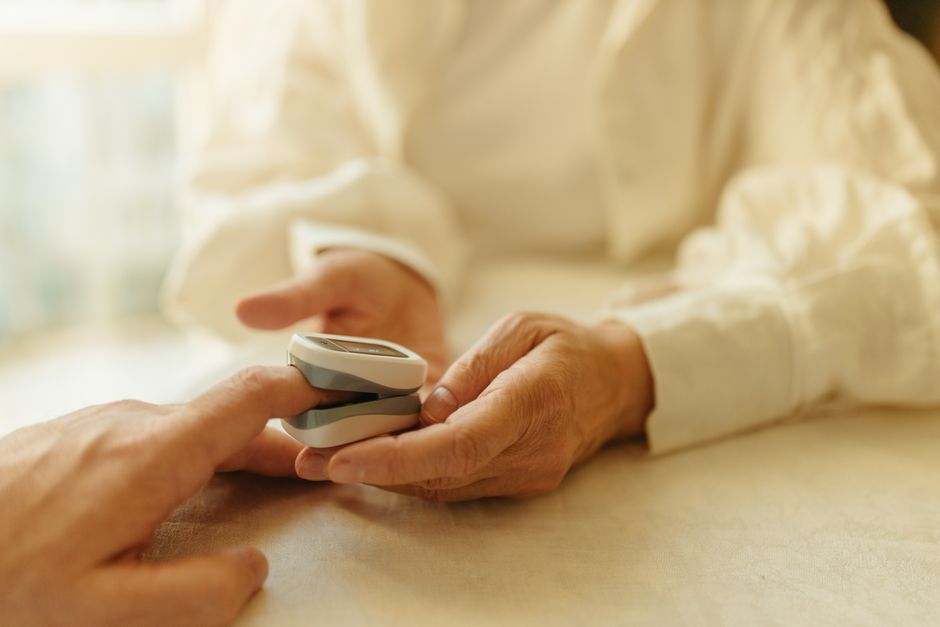
After childbirth, a normal hemoglobin level is generally considered to be above 11 g/dL (grams per deciliter). Most healthy women will have a hemoglobin level between 11 and 13 g/dL in the days following delivery. Levels below 11 g/dL indicate postpartum anemia, which is common, while levels below 8 g/dL are considered severe and typically require close medical monitoring or treatment.
Why Does Hemoglobin Drop After Delivery?
Blood loss is the main reason. A typical vaginal delivery involves about 500 mL of blood loss. A cesarean section usually involves about 1,000 mL. Your body loses red blood cells along with that blood, and hemoglobin is the protein inside those cells that carries oxygen.
Your body works quickly to replace lost fluid. But it takes weeks to fully rebuild your red blood cell supply. That is why your hemoglobin level right after birth is lower than it was during pregnancy. During pregnancy, your blood volume expands significantly, which naturally dilutes your hemoglobin concentration. This is a normal adaptation, not a deficiency. After delivery, your blood volume contracts, but the red blood cell mass is still recovering from the loss.
What Is Considered Postpartum Anemia?
Postpartum anemia is defined as a hemoglobin level below 11 g/dL after delivery. It is one of the most common conditions following childbirth. Studies suggest that anywhere from 20 to 30 percent of women experience it in the days after giving birth, though the exact number varies depending on the population and the timing of the blood test.
Severity matters. Mild anemia (hemoglobin 10 to 11 g/dL) often resolves on its own with adequate nutrition. Moderate anemia (8 to 10 g/dL) may require iron supplementation and dietary changes. Severe anemia (below 8 g/dL) can cause symptoms like extreme fatigue, shortness of breath, and dizziness. In these cases, doctors may consider intravenous iron or, in rare situations, a blood transfusion.
How Long Does It Take for Hemoglobin to Return to Normal?
Recovery is gradual. With proper iron intake, most women see their hemoglobin return to a normal range within 6 to 8 weeks after delivery. Some women take longer, especially if they had heavy blood loss during birth or entered pregnancy with low iron stores.
Your body needs time and resources to manufacture new red blood cells. Red blood cells live for about 120 days. Your bone marrow must produce new ones to replace the ones you lost. This process requires iron, vitamin B12, and folate. If any of these are lacking, recovery slows down.
A follow-up blood test at your 6-week postpartum checkup is standard practice. This gives your doctor a clear picture of whether your levels are recovering appropriately or whether intervention is needed.



What Symptoms Should You Watch For?
Mild anemia often produces no noticeable symptoms. Many new mothers attribute fatigue to sleep deprivation, which is understandable. But there are warning signs that warrant a call to your doctor.
- Severe fatigue that does not improve with rest
- Shortness of breath during light activity
- Rapid heart rate or palpitations
- Dizziness or fainting spells
- Pale skin, lips, or nail beds
- Chest pain
These symptoms indicate your body is struggling to deliver enough oxygen to your tissues. Do not dismiss them as normal postpartum exhaustion. If you experience chest pain or difficulty breathing, seek emergency medical care immediately.
How Is Postpartum Anemia Treated?
Treatment depends on severity. For mild cases, dietary changes and oral iron supplements are the first line. Iron-rich foods include lean red meat, poultry, fish, beans, lentils, spinach, and iron-fortified cereals. Pairing these with vitamin C sources like citrus fruits or bell peppers improves iron absorption.
Oral iron supplements are commonly prescribed. The typical dose for postpartum anemia is 60 to 120 mg of elemental iron per day, though your doctor will determine the right amount based on your blood test results. Common side effects include constipation and stomach upset. Taking iron with food can reduce these effects, though it may also reduce absorption slightly.
For women who cannot tolerate oral iron or who have severe anemia, intravenous iron is an option. IV iron delivers the mineral directly into the bloodstream, bypassing the digestive system. It works faster than oral supplements. Some research suggests it may be preferable for women with moderate to severe postpartum anemia because it restores levels more quickly and with fewer gastrointestinal side effects.
Blood transfusions are reserved for the most severe cases. These are situations where hemoglobin drops to dangerously low levels, typically below 7 g/dL, or when a woman is experiencing significant symptoms like chest pain or shortness of breath at rest. Transfusions are safe and effective but are not used routinely because most cases respond well to iron therapy.
Can Postpartum Anemia Be Prevented?
Prevention starts before delivery. Women who enter pregnancy with healthy iron stores are less likely to develop postpartum anemia. Routine prenatal screening typically includes hemoglobin checks. If anemia is detected during pregnancy, treating it early can reduce the risk of severe anemia after birth.
During delivery, managing blood loss is the key preventive measure. Active management of the third stage of labor — which involves giving medication to help the uterus contract and delivering the placenta promptly — has been shown to reduce postpartum hemorrhage risk. This is standard practice in most hospitals.
After delivery, early screening matters. Some hospitals check hemoglobin levels before discharge. If yours does not, ask your provider whether a blood test is appropriate, especially if you had heavy bleeding or entered labor with low iron levels.
What Is a Normal Hemoglobin Level After Delivery?
The short answer is above 11 g/dL. This is the threshold used by most medical guidelines to define normal hemoglobin in non-pregnant adult women. After delivery, your levels will naturally be lower than your pre-pregnancy baseline. The question is whether they fall below that 11 g/dL line.
Your doctor will interpret your specific number in context. A woman who had a hemoglobin of 14 g/dL before pregnancy and drops to 10.5 g/dL after delivery has mild anemia. A woman who starts at 12 g/dL and drops to 9 g/dL has a similar loss but a different starting point. The trend matters as much as the single number.
If your levels are low, do not panic. Postpartum anemia is common and treatable. The vast majority of women recover fully with proper care. The important steps are getting tested, following your doctor’s recommendations, and reporting any concerning symptoms promptly.
Frequently Asked Questions
When should I get my hemoglobin checked after delivery?
Most women have their hemoglobin checked within 24 hours after delivery if they experienced significant blood loss. Otherwise, a routine check at your 6-week postpartum visit is standard.
Can I breastfeed if I have postpartum anemia?
Yes. Postpartum anemia does not prevent breastfeeding. However, severe anemia can reduce milk supply in some women, and treating the anemia typically improves overall energy and milk production.
What foods help raise hemoglobin after childbirth?
Iron-rich foods like red meat, poultry, fish, beans, lentils, and fortified cereals help rebuild hemoglobin. Eating them with vitamin C sources such as oranges or strawberries improves iron absorption.
How low is too low for hemoglobin after delivery?
Hemoglobin below 7 g/dL is considered critical and usually requires hospital-based treatment such as IV iron or transfusion. Levels between 8 and 10 g/dL require active treatment and close monitoring.
