
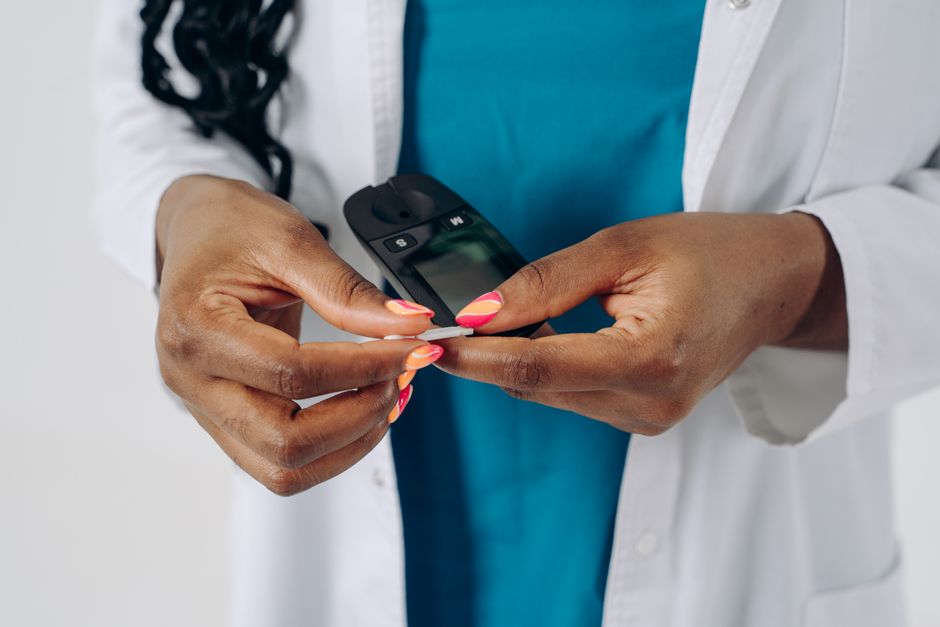
Hemoglobin is a protein in red blood cells that carries oxygen throughout your body. When your hemoglobin level drops too low, your tissues and organs may not get enough oxygen. For most adults, a hemoglobin level below 13.5 grams per deciliter for men or below 12 grams per deciliter for women is considered low. These numbers are based on standard medical guidelines, but the exact cutoff can vary slightly between laboratories and depending on age, sex, and pregnancy status.
What Is the Normal Hemoglobin Range?
Normal hemoglobin levels differ between men, women, and children. For adult men, the typical range is 13.5 to 17.5 grams per deciliter. For adult women who are not pregnant, the range is 12.0 to 15.5 grams per deciliter. Pregnant women have lower normal ranges because blood volume expands during pregnancy; a level below 11 grams per deciliter is often considered low.
Children have age‑specific ranges. Newborns normally have higher hemoglobin levels, which gradually decrease and then rise again during adolescence. Laboratories may also report slightly different normal values depending on the population they serve and the testing methods they use. Always compare your result to the reference range provided on your lab report.
Altitude can affect normal ranges. People living at high altitudes have naturally higher hemoglobin levels because the body adapts to lower oxygen in the air. A level that would be normal at sea level could be low for someone living in the mountains, and vice versa.
What Is Considered a Low Hemoglobin Level?
Using the most widely accepted definitions, a low hemoglobin level is one that falls below the lower end of the normal range for your sex and age. For adult men, that is below 13.5 grams per deciliter. For non‑pregnant women, it is below 12.0 grams per deciliter. For pregnant women, it is below 11.0 grams per deciliter.
However, these numbers are not absolute. Some people may feel symptoms at levels that are only slightly below normal, while others may not notice anything until the level drops significantly. A low hemoglobin level is often called anemia, but anemia is a broader term that includes reduced red blood cell count or function, not just hemoglobin.
The severity of low hemoglobin can be graded. Mild anemia might be a hemoglobin level 10 to 12 grams per deciliter in women. Moderate anemia is often 8 to 10 grams per deciliter. Severe anemia is below 8 grams per deciliter and can be life‑threatening. These categories help doctors decide how urgently treatment is needed.
What Are the Symptoms of Low Hemoglobin?
When hemoglobin is low, the body’s cells do not get enough oxygen. This causes a range of symptoms that can develop slowly or suddenly. Common symptoms include fatigue, weakness, pale or sallow skin, shortness of breath, dizziness, and a fast or irregular heartbeat.
Other symptoms may include cold hands and feet, headache, brittle nails, and an unusual craving for ice, dirt, or starch — this is called pica. Some people also experience chest pain, especially if they already have heart disease, because the heart has to work harder to pump oxygen‑poor blood.
Symptoms alone cannot diagnose low hemoglobin. Many conditions cause similar symptoms. A blood test is the only reliable way to confirm a low level. If you have persistent fatigue or any of these symptoms, see a doctor for a complete blood count (CBC).




What Causes Low Hemoglobin Levels?
Low hemoglobin can result from three main problems: your body does not make enough red blood cells, your body destroys red blood cells too quickly, or you lose blood. Many specific conditions fall under these categories.
The most common cause worldwide is iron deficiency. Without enough iron, the body cannot produce hemoglobin. This can happen from a diet low in iron, poor absorption of iron, or chronic blood loss — for example from heavy menstrual periods or gastrointestinal bleeding.
Vitamin deficiencies also cause low hemoglobin. Vitamin B12 and folate are needed to make healthy red blood cells. A lack of these vitamins leads to a type of anemia called megaloblastic anemia, where red blood cells are larger than normal and fewer in number.
Chronic diseases can lower hemoglobin. Kidney disease, cancer, rheumatoid arthritis, and inflammatory bowel disease can all interfere with red blood cell production. Bone marrow disorders such as aplastic anemia or leukemia prevent the marrow from making enough cells.
Hemolysis — the premature destruction of red blood cells — can be caused by inherited conditions like sickle cell disease or thalassemia, or by autoimmune disorders, infections, or certain medications. Acute blood loss from surgery, injury, or bleeding in the digestive tract also drops hemoglobin quickly.
How Is Low Hemoglobin Diagnosed?
Diagnosis begins with a complete blood count (CBC). This test measures hemoglobin, along with other values such as red blood cell count, hematocrit, and mean corpuscular volume (MCV). The MCV tells doctors whether red blood cells are small, normal, or large, which helps narrow down the cause.
If the CBC shows low hemoglobin, additional tests are done to find the reason. Iron studies (serum iron, ferritin, total iron‑binding capacity) check for iron deficiency. Vitamin B12 and folate levels are measured to rule out deficiency. A peripheral blood smear looks at the shape and size of red blood cells under a microscope.
In some cases, doctors may order tests for hemolysis (lactate dehydrogenase, haptoglobin, bilirubin), kidney function, or bone marrow biopsy. The goal is to identify the underlying cause so that treatment can be directed appropriately. Treating the cause is more important than just raising the number.
How Is Low Hemoglobin Treated?
Treatment depends entirely on the cause. For iron deficiency anemia, iron supplements are the standard treatment. They are typically taken by mouth, and most people see improvement in hemoglobin within a few weeks. Vitamin C (found in citrus fruits) helps the body absorb iron, while calcium, tea, and coffee can reduce absorption.
For vitamin B12 or folate deficiency, supplements or injections are used. B12 deficiency is often treated with injections because absorption through the gut may be poor, especially in pernicious anemia or after stomach surgery.
If chronic disease is causing anemia, treating the underlying condition is the primary goal. Some people with kidney disease may receive erythropoiesis‑stimulating agents (ESAs) to boost red blood cell production. Blood transfusions are reserved for severe anemia or when symptoms are dangerous and need rapid correction.
No single diet or supplement can fix all types of low hemoglobin. Over‑the‑counter “blood builders” or herbal remedies are not substitutes for medical evaluation. Always consult a doctor before taking iron or other supplements, especially if you are not sure you are deficient.
Can Low Hemoglobin Be Prevented?
Prevention is possible for some causes but not all. A balanced diet that includes iron‑rich foods (red meat, beans, leafy greens) and sources of vitamin B12 (meat, dairy, eggs) and folate (green vegetables, citrus) can help prevent nutritional anemias. Pregnant women are routinely screened and often advised to take prenatal vitamins with iron.
However, low hemoglobin caused by genetic disorders, chronic diseases, or sudden blood loss cannot always be prevented. Regular medical checkups and addressing symptoms early can catch the problem before it becomes severe. If you have a family history of inherited anemias, genetic counseling and screening may be appropriate.
Prevention also means managing gastrointestinal conditions that cause bleeding, such as ulcers or colon polyps. Colon cancer screening can detect bleeding early. For women with heavy periods, a gynecologist can offer treatments to reduce blood loss.
What Are the Risks of Untreated Low Hemoglobin?
Untreated anemia can lead to serious health problems. The heart must pump faster to deliver oxygen, which can cause an enlarged heart, irregular heartbeat, or heart failure over time. Pregnant women with untreated anemia have a higher risk of preterm delivery, low birth weight, and postpartum complications.
In children, chronic low hemoglobin can impair growth and brain development. In older adults, it increases the risk of falls, frailty, and cognitive decline. Severe anemia can cause shortness of breath, chest pain, and fainting. Extremely low levels — typically below 5 grams per deciliter — can be fatal without emergency treatment.
The risks are not only from low hemoglobin itself but also from the underlying cause. For example, undiagnosed colon cancer may cause chronic blood loss and anemia. Treating the anemia without finding the source can delay diagnosis of a serious disease.
Frequently Asked Questions
What hemoglobin level is dangerously low?
A hemoglobin level below 8 grams per deciliter is considered severe anemia and can be dangerous. Levels below 5 grams per deciliter are life‑threatening and require emergency medical care.
Can low hemoglobin be temporary?
Yes, low hemoglobin can be temporary if the cause is reversible, such as acute blood loss, a short‑term iron deficiency, or pregnancy. Once the underlying issue is corrected, hemoglobin usually returns to normal within weeks or months.
Does low hemoglobin always mean anemia?
In most cases, low hemoglobin indicates anemia, but the term anemia also includes reduced red blood cell count or function. A single low hemoglobin value should be confirmed with a full blood count and clinical evaluation to diagnose the specific type of anemia.
What should I eat if I have low hemoglobin?
If your low hemoglobin is due to iron deficiency, eat iron‑rich foods like lean red meat, beans, lentils, spinach, and fortified cereals. Pair them with vitamin C sources such as oranges or bell peppers to improve absorption. However, diet alone may not be enough for moderate or severe deficiency.
