
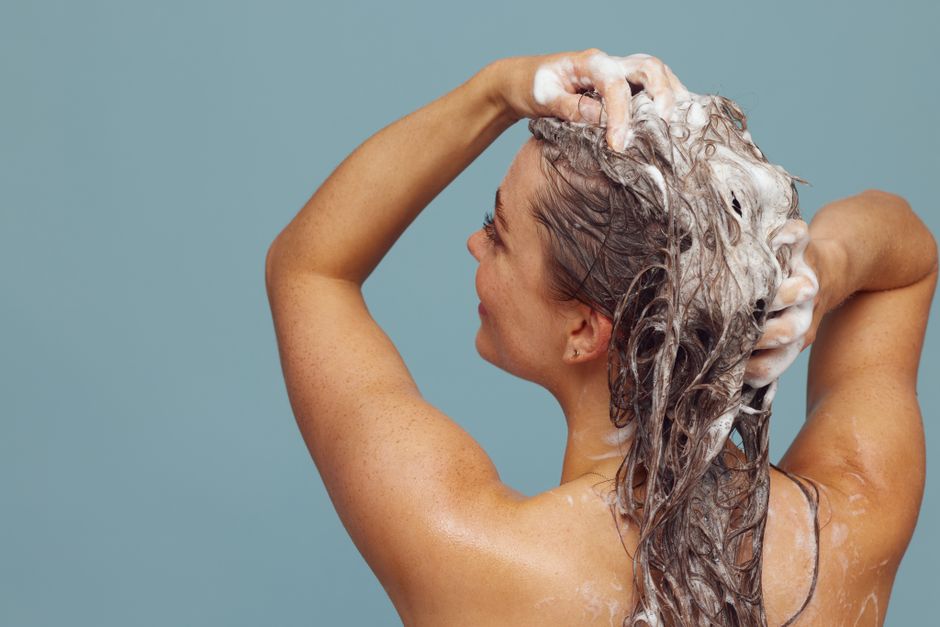
Low poo shampoo is a gentle cleanser that skips the harsh sulfates found in most regular shampoos. For curly hair, this matters because sulfates strip away natural oils that curls need to stay defined and hydrated. The main benefit is that your curls keep more of their moisture, which means less frizz and better shape without the need for heavy conditioning afterward.
What Exactly Is Low Poo Shampoo?
Low poo shampoo uses milder cleansing agents instead of sulfates like sodium lauryl sulfate (SLS) or sodium laureth sulfate (SLES). These gentler surfactants clean your hair and scalp without removing all the natural sebum. The term “low poo” comes from the curly girl method, a hair care approach that limits harsh washing.
Most low poo shampoos use cleansers derived from coconut or glucose. Examples include cocamidopropyl betaine, decyl glucoside, and lauryl glucoside. These ingredients lift dirt and oil effectively but leave enough moisture behind for curls to stay soft.
Regular shampoos create a lot of foam because sulfates are strong detergents. Low poo shampoos produce less lather. This does not mean they are not cleaning your hair. Less foam simply means the surfactants are milder on your scalp and strands.
How Does Low Poo Shampoo Help Curly Hair Stay Healthy?
Curly hair is naturally drier than straight hair because the oils from your scalp have a harder time traveling down the twists and bends of each strand. When you use a sulfate shampoo, you remove those oils completely. This leaves curls brittle, frizzy, and prone to breakage.
Low poo shampoo cleans without stripping. Your hair retains more of its natural moisture barrier. Research published in the International Journal of Trichology has shown that sulfate-free cleansers cause less damage to the hair cuticle compared to sulfate-based shampoos. The cuticle stays flat, which means your curls reflect light better and look shinier.
Many people with curly hair also find they can go longer between washes when using low poo. Because the scalp is not being stripped dry, it produces less excess oil to compensate. This can mean washing once or twice a week instead of every other day.
What Does Research Show About Low Poo Shampoo Benefits For Curly Hair?
Studies have found that sulfate-free shampoos cause significantly less protein loss from hair. A 2014 study in the Journal of Cosmetic Dermatology compared sulfate and sulfate-free cleansers and found that the sulfate-free group lost less natural moisture and had less surface damage after repeated washes.
Another study from the Skin Research and Technology journal showed that gentle surfactants cause less swelling of the hair shaft. This matters for curly hair because swelling leads to frizz and loss of curl pattern. When the hair shaft stays stable, curls hold their shape better between washes.
The American Academy of Dermatology recommends sulfate-free shampoos for people with dry hair or curly textures. This is not a fringe opinion. It is standard advice from the main professional organization for skin and hair health in the United States.




What Are the Differences Between Low Poo, No Poo, and Co-Washing?
These three terms are often mixed up, but they are not the same thing. Low poo uses a gentle shampoo with mild cleansers. No poo skips shampoo entirely and uses only conditioner to wash. Co-washing is the same as no poo — it stands for “conditioner only washing.”
For most people with curly hair, low poo is a better starting point than no poo. Co-washing can leave buildup on the scalp over time because conditioners are not designed to remove oil and dirt effectively. Some people report itching or flaking after weeks of no poo. Low poo gives you enough cleansing to avoid buildup while still being gentle on curls.
Here is a simple comparison of the three approaches:
| Method | Cleansing Agent | Best For | Risk |
|---|---|---|---|
| Low Poo | Mild surfactants | Most curl types | Low |
| No Poo / Co-Wash | Conditioner only | Very dry or damaged curls | Buildup possible |
| Regular Shampoo | Sulfates | Oily scalps or heavy product use | Strips moisture |
Can Low Poo Shampoo Cause Any Problems?
Some people with curly hair find that low poo shampoos do not remove heavy products like gels, waxes, or silicones. If you use a lot of styling products, you may need a stronger clarifying wash once every two to four weeks. A low poo shampoo alone might leave residue that weighs down your curls over time.
Another issue is that some low poo shampoos still contain ingredients that can be drying for certain hair types. Sodium cocoyl isethionate, for example, is milder than sulfate but can still be too strong for very fine or damaged curls. You may need to try a few brands before finding one that works for your specific hair.
Some people also report that their scalp feels less clean after switching to low poo. This is usually temporary. Your scalp adjusts to producing less oil after a few weeks. If the feeling persists, you may have a scalp condition like seborrheic dermatitis that needs medicated shampoo. Low poo is not designed to treat scalp disorders.
How Do You Choose the Right Low Poo Shampoo for Curly Hair?
Look for shampoos that list mild surfactants as the first or second ingredient. Good options include cocamidopropyl betaine, decyl glucoside, lauryl glucoside, and sodium cocoyl isethionate. Avoid anything with sodium lauryl sulfate or sodium laureth sulfate near the top of the ingredient list.
Check for added moisturizers like glycerin, aloe vera, or panthenol. These help keep curls hydrated during the wash. Avoid shampoos with drying alcohols like denatured alcohol, SD alcohol, or isopropyl alcohol. These can cancel out the benefits of the gentle cleansers.
Fragrance is a personal choice, but if your scalp is sensitive, look for fragrance-free options. Essential oils can also irritate some people. The fewer ingredients overall, the easier it is to figure out what works for you.
Common Misconceptions About Low Poo Shampoo
A common myth is that low poo shampoo does not clean your hair. This is not true. Mild surfactants remove dirt, sweat, and excess oil effectively. They just do it without stripping everything away. Your hair can be clean without feeling squeaky.
Another misconception is that low poo is only for people with very curly or coily hair. Straight and wavy hair types can also benefit, especially if they are dry or damaged. The key is matching the cleanser to your hair’s needs, not your curl pattern alone.
Some people believe that all sulfate-free shampoos are automatically good for curly hair. This is also incorrect. Some sulfate-free shampoos still use harsh surfactants or drying ingredients. You have to read the label. The term “sulfate-free” alone does not guarantee a gentle formula.
As of 2026, there is no clinical evidence that low poo shampoos cause hair loss. Some people may shed more when switching because their scalp is adjusting, but this is temporary. If shedding continues, see a dermatologist to rule out other causes.
What to Avoid When Starting Low Poo
Do not switch from a sulfate shampoo to low poo and expect immediate results. Your hair may feel different for the first two to three weeks. This is normal. Your scalp is recalibrating its oil production. Give it time before deciding whether low poo works for you.
Avoid using the same amount of low poo shampoo as you did with regular shampoo. Low poo formulas are often more concentrated. Start with a quarter-sized amount and add more only if needed. Using too much can leave residue.
Do not skip conditioner. Low poo leaves more moisture in your hair, but most curly hair still needs a separate conditioner afterward. The combination of low poo cleansing and a good conditioner gives the best results for curl definition and frizz control.
Frequently Asked Questions
Can low poo shampoo help with curly hair frizz?
Yes. Low poo shampoo helps reduce frizz by keeping more natural moisture in your hair. Less stripping means the cuticle stays flatter and curls clump together better.
How often should I use low poo shampoo on curly hair?
Most people with curly hair wash once or twice a week with low poo shampoo. How often depends on your scalp oiliness and how much product you use.
Is low poo shampoo safe for color-treated curly hair?
Yes. Low poo shampoo is gentler on color-treated hair because it does not strip artificial pigment as quickly. Many colorists recommend sulfate-free shampoos to extend the life of hair color.
Do I need a clarifying shampoo if I use low poo?
Some people do. If you use heavy styling products or have hard water buildup, a clarifying wash every three to four weeks can remove residue that low poo leaves behind.
