
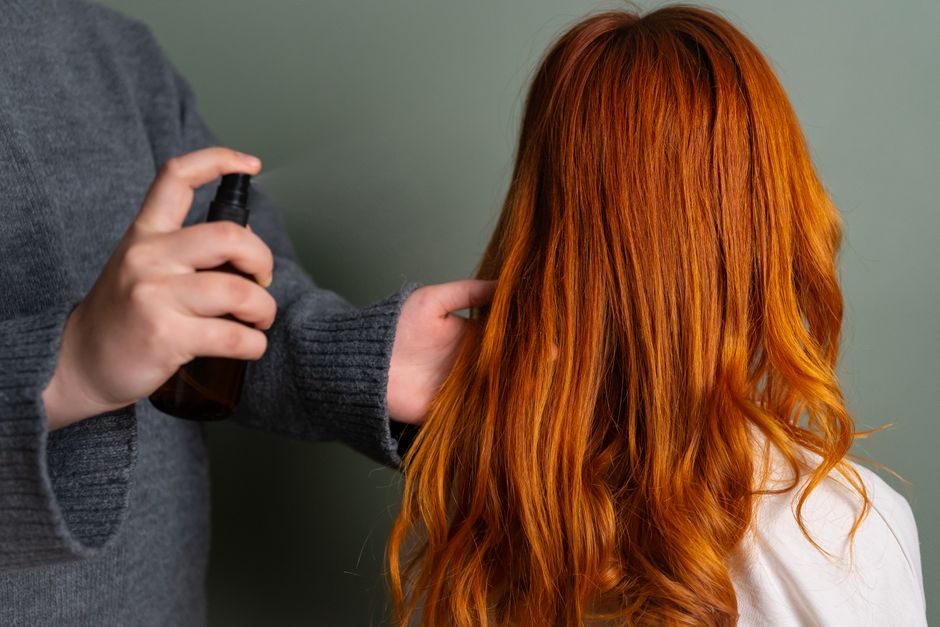
Henna is a natural plant-based dye made from the leaves of the Lawsonia inermis shrub. People have used it for thousands of years to color hair, skin, and nails. When used on hair, pure henna deposits a reddish-orange tint that can be layered into deeper shades. Its main benefit is that it is a plant product with no ammonia, peroxide, or synthetic chemicals. The risks come from impure products labeled as henna that contain hidden metal salts and chemical dyes, which can damage hair and cause allergic reactions.
What Is Henna For Hair Colors Benefits And Risks?
Henna for hair is a powder made from dried and ground leaves of the henna plant. The active coloring agent is a molecule called lawsone. This molecule binds to the protein in your hair, which is why the color is semi-permanent and fades slowly over several weeks rather than washing out in one shampoo.
Pure henna only produces one color range: orange to deep reddish brown. The final shade depends on your natural hair color and how long you leave the paste on. Lighter hair turns bright copper. Darker hair gets a burgundy or auburn glow. Anyone claiming pure henna gives black, blonde, or cool brown hair is either mistaken or selling a product with added ingredients.
The benefits are real for people who want to avoid synthetic dyes. Henna conditions the hair shaft rather than lifting the cuticle like chemical dyes do. Many users report shinier, thicker-feeling hair after use. The risks are equally real. Impure henna products are common. Some contain para-phenylenediamine (PPD), a chemical that can cause severe allergic reactions and blistering of the scalp. Others contain lead or other heavy metals.
Does Henna Actually Cover Gray Hair?
Yes, but with important limits. Pure henna will cover gray hair, but the result is not the same as chemical dye coverage. Gray hair is resistant to color because it lacks melanin. Henna stains the outer layer of the hair rather than penetrating fully.
On gray hair, pure henna produces a bright orange or copper tone. This is not a subtle result. Many people find the first application too bright. The color deepens with repeated applications. Some users mix henna with indigo powder to get darker brown shades that cover gray more naturally.
The CDC reports that about 40% of people over 40 have significant gray hair. If you have more than 30% gray, expect the henna to look more like highlights than full coverage on the first try. Two or three applications usually build to a more uniform result. This is not a one-and-done process like chemical dye.
What Is the Difference Between Pure Henna and Commercial Henna Products?
This distinction matters more than any other factor in safety and results. Pure henna is simply ground plant leaf. It contains one ingredient. Commercial henna products sold in stores often contain multiple additives.
| Feature | Pure Henna | Commercial Henna Products |
|---|---|---|
| Ingredients | 100% Lawsonia inermis leaf powder | Henna plus metallic salts, PPD, or synthetic dyes |
| Color range | Orange to reddish brown only | Black, brown, blonde, burgundy |
| Allergic reaction risk | Very low | Moderate to high depending on additives |
| Chemical damage | None | Possible from PPD or metal salts |
| Interaction with chemical dye | Safe | Can cause breakage, green discoloration, or burning |
Products labeled as “black henna” are particularly dangerous. True black henna does not exist. The plant cannot produce a black dye. These products almost always contain high levels of PPD. The FDA has issued warnings about black henna tattoos causing permanent scarring and allergic sensitization. The same risk applies to hair products labeled as black henna.
If you want to use henna, buy from a reputable source that lists Lawsonia inermis as the only ingredient. Test a small strand of hair first. Patch test your skin 48 hours before full application.



What Are the Side Effects and Risks of Using Henna on Hair?
Pure henna has a very low rate of adverse reactions. Most people can use it without problems. The main side effect is dryness. Henna can be slightly astringent, which means it may strip natural oils from the hair and scalp. Using a deep conditioner afterward usually solves this.
The serious risks come from adulterated products. Research published in the Journal of the American Academy of Dermatology found that PPD in henna products is a common cause of contact dermatitis. Symptoms include itching, redness, swelling, and blistering of the scalp and face. In severe cases, the reaction can spread to the neck and eyelids.
Some people report that henna makes their hair feel stiff or straw-like. This usually happens when the paste is left on too long or when the henna is mixed with acidic liquids like lemon juice that are too strong. Using plain water or a mild acidic liquid like chamomile tea reduces this risk.
There is no clinical evidence that pure henna causes cancer. The European Commission’s Scientific Committee on Consumer Safety reviewed henna and found no genotoxic concerns. The concern about henna and cancer comes from studies on PPD and other coal-tar dyes that are sometimes added to henna products.
How Do You Actually Apply Henna to Hair?
Application is messy and time-consuming. Plan for three to four hours minimum. The process is straightforward but requires patience.
Mix the henna powder with warm water or an acidic liquid to release the dye. The paste needs to sit for two to twelve hours before application. This is called dye release. You will know it is ready when the paste turns a deep reddish-brown on top and smells earthy.
Apply the paste to clean, dry hair. Section your hair and work the paste through from root to tip. Cover your hair with plastic wrap or a shower cap. Leave it on for one to four hours depending on how intense you want the color.
Some studies suggest that heat helps the dye bind. Wrapping your head in a warm towel or using a hair dryer on low heat for a few minutes can help. Do not use high heat. It dries the paste and makes rinsing difficult.
Rinse with plain water. Do not use shampoo for at least 24 hours. The color continues to develop as the paste dries. The final color is not fully visible until about 48 hours after rinsing.
Common Misconceptions About Henna for Hair
Many claims about henna are not supported by evidence. Here are the most common ones that need correction.
- Henna permanently straightens hair. It does not. Henna coats the hair shaft but does not break or reform disulfide bonds. Any smoothing effect is temporary and comes from the coating, not structural change.
- Henna can lighten hair. It cannot. Henna only adds color. It does not contain bleach or peroxide. If you want lighter hair, henna will not do it.
- All natural henna is safe. Natural does not mean risk-free. Some people are allergic to the henna plant itself, though this is rare. The bigger issue is that natural products can still cause reactions in sensitive individuals.
- Henna is permanent. It is semi-permanent. Lawsone binds to hair protein but fades over four to six weeks. It does not wash out completely but does lose intensity.
- You can dye over henna with chemical color. Only if you used pure henna. If your henna contained metallic salts, applying chemical dye on top can cause hair to break off or turn green. This is a known risk documented by the American Academy of Dermatology.
Frequently Asked Questions
Frequently Asked Questions
Can I use henna if I have chemically dyed hair?
Yes but only if you wait until the chemical dye has fully grown out or been cut off. Applying henna over chemical dye can produce unpredictable colors and uneven results.
How long does henna color last on hair?
Henna color lasts four to six weeks on average. It fades gradually rather than washing out suddenly. The color becomes less vibrant with each wash.
Does henna cause hair loss?
Pure henna does not cause hair loss. Some people mistake the shedding from normal hair cycling for henna-related loss. Adulterated henna with PPD can cause scalp inflammation that leads to temporary shedding.
Can I use henna during pregnancy?
Pure henna is generally considered safe during pregnancy when used on hair. The FDA does not classify henna as a risk. Always do a patch test first and avoid products with additives.
