
Life after pancreatitis is a recovery period that looks different for everyone, but it always involves significant changes to diet, daily habits, and long-term health monitoring. For many people, the acute phase ends with a hospital stay, and the real work begins once you are home. For others, particularly those with chronic pancreatitis, life changes more permanently. The short answer is that life after pancreatitis is manageable, but it requires a commitment to a new normal.
What Happens to Your Body During Recovery?
Your pancreas has two main jobs. It makes digestive enzymes that break down food, and it makes hormones like insulin that control blood sugar. When you have pancreatitis, the organ becomes inflamed and these functions are disrupted.
During the initial recovery, your digestive system needs time to heal. Most people start with a clear liquid diet and slowly progress to solid foods. This is not just about comfort. Your pancreas needs to rest so the inflammation can subside. This process can take days, weeks, or even months depending on the severity of the attack.
One thing many people do not expect is the fatigue. Your body is using a lot of energy to repair damaged tissue. It is normal to feel exhausted for several weeks after leaving the hospital. This is not a sign that something is wrong. It is a sign that your body is working hard to heal.
What Can You Eat After Pancreatitis?
Diet is the most important part of life after pancreatitis. The goal is to eat foods that are easy to digest and low in fat, because fat triggers the pancreas to work harder.
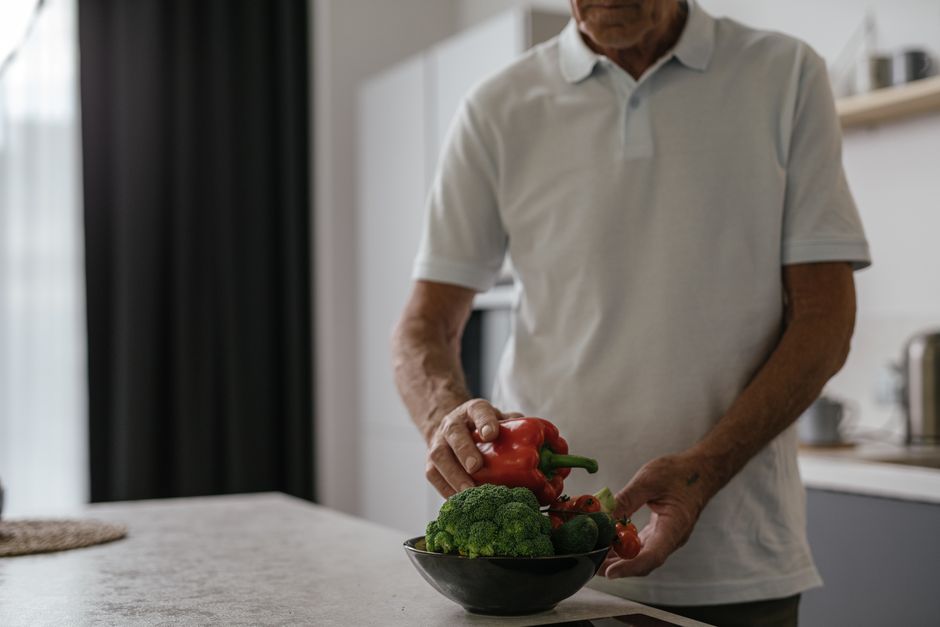
In the first few weeks after an attack, most clinicians recommend a very low-fat diet. This means avoiding fried foods, fatty meats, full-fat dairy, and butter or oils. Instead, the focus is on lean proteins like chicken or fish, whole grains, vegetables, and fruits. Small, frequent meals are often easier on the digestive system than three large ones.
Alcohol is completely off the table. If your pancreatitis was caused by alcohol use, even a small amount can trigger another attack. If it was caused by gallstones, the risk from alcohol is lower, but most doctors still advise avoiding it entirely during recovery.
Some people need more than dietary changes. If your pancreas is not producing enough digestive enzymes, you may need prescription enzyme supplements. These are taken with meals to help your body absorb nutrients. Without them, you might notice greasy, foul-smelling stools or unexplained weight loss. These are signs that your body is not digesting food properly.
How Long Does the Pain Last?
Pain is the most common symptom of pancreatitis, and it is often the biggest concern after discharge. For acute pancreatitis, the severe pain usually fades within the first week of treatment. However, a dull ache or discomfort in the upper abdomen can linger for weeks.
Chronic pancreatitis is different. This is a progressive condition where the pancreas is permanently damaged. Pain can come and go, and it may become a daily challenge. Some people manage this with medication and lifestyle changes. Others need more advanced treatments, such as nerve blocks or surgery. If you have chronic pancreatitis, pain management will be an ongoing conversation with your healthcare team.
It is important to distinguish between normal recovery discomfort and a new problem. If you experience sudden, severe abdominal pain that radiates to your back, fever, or vomiting, seek medical attention immediately. These can be signs of a complication or a recurrent attack.





Will You Develop Diabetes?
This is a real concern, and it deserves a direct answer. Yes, pancreatitis increases your risk of developing diabetes. This is called diabetes of the exocrine pancreas, or type 3c diabetes.
When the pancreas is damaged, the cells that produce insulin can be destroyed. If enough of these cells are lost, your body cannot regulate blood sugar properly. This can happen soon after a severe attack or years later. Research suggests that about a third of people with chronic pancreatitis will develop diabetes within five to ten years.
Even after a single acute attack, your risk of developing diabetes is higher than the general population. This is why regular blood sugar monitoring is a standard part of follow-up care. Your doctor will likely check your fasting glucose and HbA1c levels at your post-discharge visit and periodically after that.
If you do develop diabetes, it is manageable. Diet, exercise, and sometimes medication can keep blood sugar in a healthy range. The key is early detection. Do not skip your follow-up appointments.
What Are the Long-Term Risks?
The most serious long-term risk after pancreatitis is recurrence. Studies show that up to one in five people will have another attack within a few years. The risk is highest if the underlying cause is not addressed.
Gallstones are the most common cause of acute pancreatitis. If your pancreatitis was caused by gallstones, your doctor may recommend surgery to remove your gallbladder. This significantly reduces the risk of recurrence. If alcohol was the cause, stopping alcohol use is the most effective prevention. If no clear cause is found, a condition called idiopathic pancreatitis, the risk of recurrence is harder to predict.
There is also a link between chronic pancreatitis and pancreatic cancer. The risk is elevated, but it is important to put this in perspective. Most people with chronic pancreatitis will never develop pancreatic cancer. However, the increased risk is why doctors take chronic pancreatitis seriously and recommend regular imaging and monitoring.
How Does Life Change Day to Day?
Beyond diet and medical follow-up, life after pancreatitis involves practical adjustments. You may need to plan meals more carefully. Eating out becomes more complicated. You may need to read nutrition labels to check fat content. You may need to carry enzyme supplements with you.
Physical activity is encouraged, but it should be gradual. Walking is an excellent starting point. As your energy returns, you can increase intensity. Listen to your body. If an activity causes abdominal pain, stop and rest.
Stress management matters too. Stress does not cause pancreatitis, but it can worsen symptoms and trigger unhealthy coping behaviors like drinking or overeating. Many people find that mindfulness, therapy, or support groups help them adjust to their new reality.
Work and social life will also change. You may need to take time off work for recovery. You may need to explain to friends and family why you are no longer drinking or why you cannot eat certain foods. This can be socially challenging, but most people find that honesty is the best approach. The people who care about you will understand.
What Is Life Like After Pancreatitis?
Life after pancreatitis is a new chapter. It is not the same as before, but it can be a good life. The first few months are the hardest. Your body is healing, your diet is restricted, and you are learning new habits.
Over time, most people find their rhythm. They learn which foods work for them and which ones cause problems. They develop a routine for medication and monitoring. They regain energy and return to work and hobbies.
The people who do best are the ones who take their condition seriously. They keep follow-up appointments. They stick to their diet. They avoid alcohol. They monitor their health. This is not a guarantee against future problems, but it is the best way to reduce risk.
If you have just been discharged from the hospital, give yourself grace. Recovery takes time. You do not have to have everything figured out today. Focus on today’s meals, today’s walk, today’s rest. The rest will follow.
Frequently Asked Questions
Can I ever drink alcohol again after pancreatitis?
No, you should not drink alcohol after pancreatitis. Even small amounts can trigger another attack, especially if alcohol caused your initial episode.
How long does it take to feel normal again after pancreatitis?
Most people feel significantly better within two to four weeks, but full recovery can take several months. Chronic pancreatitis may never return you to your previous baseline.
Will I need to take pancreatic enzymes forever?
Not necessarily. Some people only need enzymes during the acute recovery phase. Others need them long-term if their pancreas cannot produce enough on its own.
Can pancreatitis come back after treatment?
Yes, recurrence is possible. The risk depends on the underlying cause, and addressing that cause is the most effective way to prevent another attack.
