
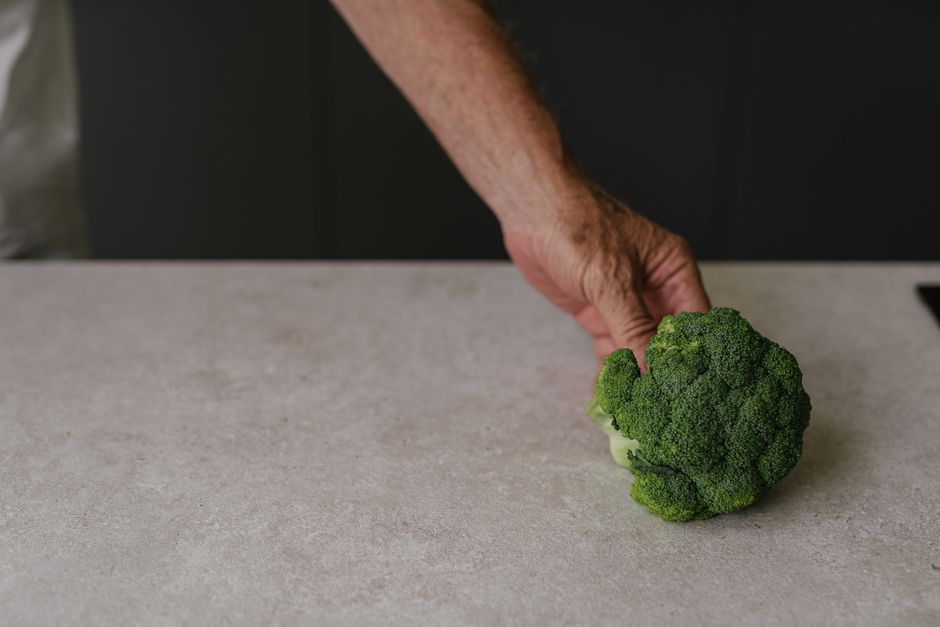
You have probably seen it. That brown, sometimes fuzzy-looking patch on your broccoli florets or stems. It makes you stop and wonder if the whole head of broccoli needs to go in the trash. The short answer is yes, it is safe to eat in most cases. That brown stuff is usually just oxidation, slight bruising, or the start of moisture loss. It is not mold, and it is not dangerous.
What Actually Causes the Brown Spots on Broccoli?
The brown stuff on broccoli is almost always a physical reaction, not a sign of spoilage. When you cut or bruise a broccoli stem or floret, the plant cells break open. Air hits the exposed tissue, and a natural process called oxidation begins. This is the same thing that happens when a cut apple or avocado turns brown.
Another common cause is ethylene gas. Broccoli is sensitive to ethylene, a gas that fruits like apples and bananas release as they ripen. If broccoli sits near these fruits in your fridge, the exposure can cause the green parts to turn yellow and then develop brown spots over time. This is a sign of aging, not rot.
Sometimes the brown spots come from simple physical damage. Bumps in the grocery bag, pressure from other vegetables, or rough handling during transport all cause tiny bruises. These bruises turn brown as the damaged cells dry out. In all these cases, the rest of the broccoli is perfectly fine to eat.
Is It Mold or Just Oxidation? How to Tell the Difference
This is the most important distinction to make. Oxidation looks flat and dry. It appears as brown or dark tan patches on the cut ends of the stem or on the surface of the florets. It does not have texture you can feel. It does not spread quickly. A spot that was small yesterday will be the same size today.
Mold is different. Real mold on broccoli looks fuzzy or powdery. It can be white, gray, green, or black. It often has a musty smell. If you see a patch that looks like cotton or dust sitting on top of the broccoli, that is mold. The USDA states that mold can penetrate deeper into soft vegetables like broccoli, even if you only see it on the surface.
Here is a simple rule: if the brown part is flat and dry, just cut it off. If it is fuzzy, slimy, or smells bad, throw the whole piece away. When in doubt, trust your nose. Broccoli that has gone bad has a distinct sulfur or ammonia-like smell. Fresh broccoli has almost no smell at all.
Is The Brown Stuff On Broccoli Safe To Eat Without Cutting It Off?
Technically yes, you can eat it. A small amount of oxidized broccoli tissue will not hurt you. It is just plant cells that have reacted with air. It does not contain any toxins or harmful bacteria. The taste will be slightly bitter and the texture will be dry, but it is not dangerous.
That said, you probably do not want to eat it. The brown parts have a papery, unpleasant texture. They also lack the fresh, grassy flavor of healthy broccoli. Most people find that cutting off the brown spots improves the eating experience significantly. It is a quality issue, not a safety issue.
One exception exists. If the brown spots are accompanied by a slimy film or a wet, mushy feel, do not eat any part of that broccoli. Sliminess means bacteria are actively breaking down the plant tissue. This is true spoilage, and the bacteria can cause digestive upset. The CDC advises discarding any fresh produce that becomes slimy or has an off odor.



Does Cooking Broccoli With Brown Spots Make It Safer?
No, and this is a common misunderstanding. Cooking kills bacteria and mold spores on the surface. But it does not remove the toxins that some molds produce. If the brown stuff on your broccoli is actually mold, the heat from boiling, steaming, or roasting will not make it safe to eat.
The other issue is that cooking does not improve the texture of oxidized spots. Roasting or steaming broccoli with brown patches will still leave those areas dry and papery. You end up with an uneven dish where some parts are tender and others are tough. It is better to trim the spots before cooking.
There is one upside to cooking broccoli that has minor browning. If the brown spots are purely from oxidation and the broccoli is otherwise fresh, cooking can blend the flavors. The slight bitterness of the oxidized area becomes less noticeable when mixed with the rest of the cooked broccoli. But again, trimming is the better practice for texture.
How to Keep Broccoli Fresh Longer and Avoid Brown Spots
Proper storage is the best way to prevent brown spots from forming in the first place. Broccoli needs cold, humid air. The crisper drawer of your refrigerator is the right place. Keep it in a loosely closed plastic bag with a few small holes poked in it. This traps moisture without suffocating the vegetable.
Do not wash broccoli before storing it. Moisture on the surface encourages mold growth and speeds up spoilage. Wash it right before you eat or cook it. Another trick is to store broccoli stem-down in a glass of water in the fridge, like a bouquet of flowers. Cover the top loosely with a plastic bag. This keeps the stems from drying out and turning brown.
Here are the key storage tips to remember:
- Keep broccoli in the crisper drawer, not on a shelf where air circulates too much
- Store it away from apples, pears, and bananas to avoid ethylene gas exposure
- Use it within 3 to 5 days of purchase for the best quality
- If the florets start to yellow, eat them immediately or they will brown soon
- Blanch and freeze broccoli if you cannot eat it within a week
Freezing is a great option. Blanch the broccoli for two minutes in boiling water, then plunge it into ice water. Drain it, pack it in freezer bags, and it will keep for 8 to 12 months. Frozen broccoli will not develop brown spots because the blanching process deactivates the enzymes that cause oxidation.
When Should You Throw Broccoli Away Instead of Trimming It?
Knowing when to toss broccoli is just as important as knowing when to save it. The table below gives you clear guidelines for making that decision quickly.
| Condition | Action | Why |
|---|---|---|
| Dry brown spots on cut ends | Cut them off, eat the rest | Oxidation only, no safety risk |
| Small brown patches on florets | Cut off the patch, eat the rest | Minor bruising, safe if trimmed |
| Yellowing florets with brown edges | Eat immediately or cook today | Aging but still safe, quality declining |
| Fuzzy white, gray, or black growth | Throw the whole head away | Mold has likely spread below the surface |
| Slimy or wet spots on any part | Throw the whole head away | Bacterial spoilage, unsafe to eat |
| Strong sulfur or ammonia smell | Throw the whole head away | Advanced spoilage, bacteria present |
| Wilted, limp stems and florets | Revive in ice water for 15 minutes, then cook | Dehydration only, still safe if it perks up |
One more thing to watch for is the center of the stem. Sometimes the core becomes hollow or develops a brown ring. This is called pithiness and happens when the plant is stressed during growth or stored too long. The brown ring is safe to eat but will be tough and woody. Just peel the outer layer of the stem and use the tender inner part.
Common Misconceptions About Brown Spots on Broccoli
A viral social media post claimed that brown spots on broccoli are a sign of a bacterial infection that causes food poisoning. That is not true. The bacteria that cause food poisoning, like Salmonella or E. coli, do not create visible brown spots. They are invisible. Brown spots are a sign of plant cell damage, not bacterial contamination.
Another widespread claim is that the brown stuff is a fungus that produces mycotoxins. Mycotoxins are real and dangerous, but they come from specific molds that grow on grains and nuts, not from the oxidation spots on fresh broccoli. The mold that occasionally grows on old broccoli is usually Penicillium or Cladosporium, which are not known to produce harmful mycotoxins in significant amounts. Still, it is best to avoid eating any mold.
Some people believe that organic broccoli does not develop brown spots. This is false. Organic broccoli oxidizes and bruises just like conventionally grown broccoli. Oxidation is a chemical reaction, not a pesticide issue. The only difference is that organic broccoli may spoil faster because it has no preservative waxes or treatments on the surface.
There is also a myth that cutting off the brown spots does not help because the damage has spread through the whole head. This is only true for mold. Oxidation and bruising stay localized. You can safely cut off a one-inch brown patch and eat the rest of the floret without any issue. The plant cells around the damaged area are perfectly healthy.
Frequently Asked Questions
Can I eat broccoli with brown spots raw?
Yes, you can eat it raw after cutting off the brown spots. The spots are just oxidized plant cells and are not harmful.
Does the brown stuff on broccoli mean it is old?
Not necessarily. It can mean the broccoli was bumped or bruised during transport. But brown spots combined with yellowing usually mean the broccoli is past its peak freshness.
What happens if you accidentally eat moldy broccoli?
Most healthy people will have no reaction or only mild stomach discomfort. If you have a mold allergy or a weakened immune system, you could have a stronger reaction.
How long does broccoli last in the fridge before turning brown?
Fresh broccoli typically stays green for 3 to 5 days in the refrigerator. Proper storage in a crisper drawer with some humidity can extend this to about a week.
