
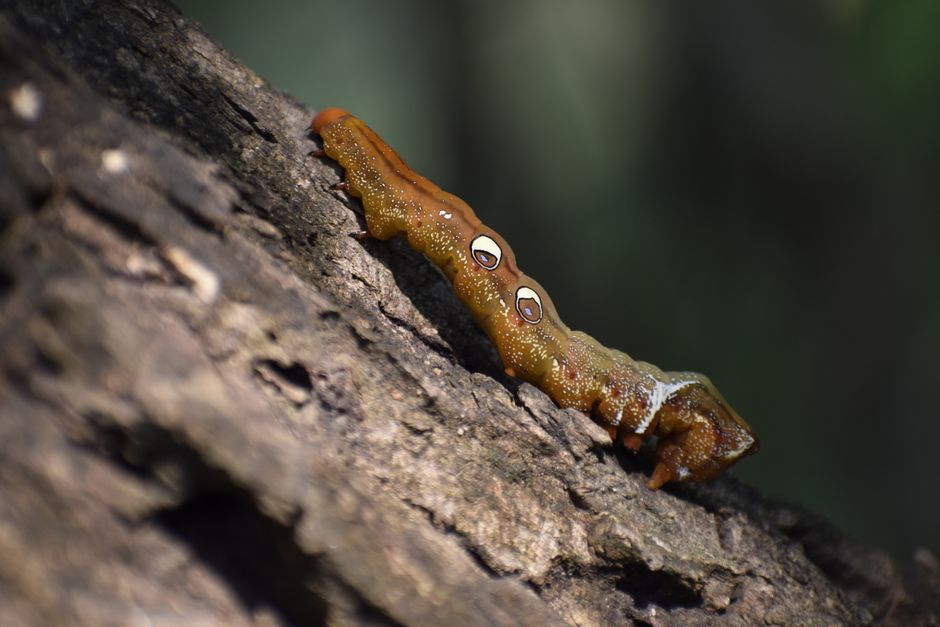
Mimic creatures in real life are animals that have evolved to closely resemble another species, object, or environment to survive. This is not science fiction — it is a well-documented biological strategy called mimicry. From insects that look exactly like leaves to harmless snakes that copy the patterns of venomous ones, nature is full of these living impersonators.
What Is A Mimic Creature In Real Life and How Does It Work?
A mimic creature in real life uses appearance, behavior, or sound to trick other animals. The goal is almost always survival — either to avoid being eaten or to catch food more easily.
There are three main types of mimicry that scientists have identified. Batesian mimicry happens when a harmless species copies a dangerous one. A classic example is the viceroy butterfly, which looks nearly identical to the monarch butterfly. Monarchs are toxic to birds. Viceroys are not, but birds avoid them anyway because of the resemblance.
Müllerian mimicry is different. Here, two or more harmful species evolve to look alike. This benefits all of them because predators learn to avoid that shared appearance after one bad experience. Many stinging insects like bees and wasps show this pattern.
Aggressive mimicry is when a predator looks like something harmless to get close to prey. The alligator snapping turtle has a worm-like appendage on its tongue. Fish swim toward what looks like food and become food themselves.
What Animals Are the Best Examples of Real Mimic Creatures?
Some of the most convincing mimic creatures in real life are so good at their disguises that even experts need a second look. The leaf-tailed gecko of Madagascar blends into tree bark so perfectly that it is almost invisible during the day. Its body has flat edges and irregular coloring that match dead leaves and bark.
The walking stick insect takes this even further. Its body is long, thin, and brown — exactly like a twig. Some species even sway slightly in the wind to complete the illusion. Birds pass them over constantly.
Then there is the mimic octopus, found in the waters around Indonesia. This animal does not just look like one thing — it can imitate multiple species. Researchers have observed it changing its color, shape, and movement to copy lionfish, sea snakes, and flatfish. It chooses which disguise to use based on what predator is nearby.
On land, the spicebush swallowtail caterpillar has large fake eye spots that make it look like a small snake. Birds see what appears to be a predator and leave the caterpillar alone.
What Does Research on Mimic Creatures in Real Life Show?
Research published in journals like Nature and Proceedings of the Royal Society B has confirmed that mimicry is not just about looking similar. It requires the mimicking animal to also behave in ways that reinforce the disguise.
One study from the University of Cambridge found that hoverflies — which look like bees — do not just rely on their yellow and black stripes. They also fly in patterns similar to bees. Birds that have been stung before recognize that flight pattern and avoid the hoverfly even before they see its markings clearly.
The National Institutes of Health has funded research on how mimicry evolves at the genetic level. Scientists have found that in some species, a single gene mutation can dramatically change wing patterns or body shape. This means mimicry can appear in a population relatively quickly in evolutionary terms.
Some studies suggest that mimicry is more common in tropical regions. The warmer climate supports more species overall, which creates more opportunities for mimicry to develop. The Amazon rainforest alone contains hundreds of documented mimic species.
Evidence indicates that mimicry is not always perfect. Some mimics only need to be close enough to fool a predator most of the time. If a bird has a bad experience with a real wasp once, it may avoid anything that looks even vaguely wasp-like for weeks afterward. This imperfect mimicry still works because the predator plays it safe.
| Type of Mimicry | How It Works | Real Example |
|---|---|---|
| Batesian | Harmless species mimics a dangerous one | Viceroy butterfly copying monarch butterfly |
| Müllerian | Two dangerous species look alike | Bees and wasps sharing warning colors |
| Aggressive | Predator mimics harmless prey | Alligator snapping turtle’s worm-like tongue |
| Self-mimicry | One part of the body mimics another | Some fish have fake eye spots near their tail |





Can Humans Use Mimic Creatures in Real Life for Practical Purposes?
Biomimicry is the field where scientists study mimic creatures in real life to solve human problems. This is not about copying the animal’s look — it is about understanding the strategy and applying it elsewhere.
Engineers at the University of California have studied how the mimic octopus changes its texture and color so quickly. They are working on materials that could change appearance on demand for camouflage clothing. The military has shown interest in this research.
Robotics researchers have looked at the leaf-tailed gecko’s ability to blend into backgrounds. Some drones now use color-changing technology inspired by these animals to avoid detection during wildlife monitoring or search and rescue operations.
Medical researchers have studied how the alligator snapping turtle’s tongue mimic works. The idea is to create better targeted drug delivery systems that look like something the body will accept before releasing medication. This is early-stage research but shows how mimicry concepts can transfer to medicine.
There are limits to what humans can copy from nature. The mimic octopus uses muscles and pigment cells that are specific to its biology. We cannot replicate that exactly with synthetic materials yet. But each year, materials science gets closer.
What Are Common Misconceptions About Mimic Creatures in Real Life?
One widespread myth is that animals choose to mimic. Mimicry is not a conscious decision. It is an evolutionary process that happens over thousands of generations. Animals that happen to look slightly more like something dangerous survive longer and have more offspring. Over time, the resemblance becomes stronger.
Another misconception is that all mimics are perfect copies. In reality, many mimics are only good enough to work most of the time. Some are quite rough. The key is that the predator must be able to learn from a bad experience. If a bird eats one wasp and gets stung, it will avoid anything that looks even a little like that wasp for a while. The mimic does not need to be perfect — it just needs to trigger that memory.
Some people believe that mimicry only happens in insects and reptiles. This is not true. Birds, fish, mammals, and even plants use mimicry. The dead leaf butterfly looks exactly like a dried brown leaf when its wings are closed. The orchid mantis looks like a flower to attract pollinating insects, which it then eats. Even some orchids mimic the appearance and smell of female bees to attract male bees for pollination.
There is also a claim that humans have no natural predators and therefore do not need to worry about mimicry. This is false. The mimic octopus and certain venomous snakes can be dangerous to humans if disturbed. Understanding mimicry helps people avoid these animals in the wild.
How Can You Identify a Mimic Creature in Real Life?
Identifying a mimic creature in real life takes practice and a careful eye. The best approach is to look for small inconsistencies. A stick insect may have legs that move in a way no real twig would. A harmless snake mimicking a coral snake may have slightly different banding patterns.
Here are practical tips for recognizing mimics in nature:
- Look at the animal’s behavior. A fake warning display may be less aggressive or shorter than the real thing.
- Check for symmetry. Many mimics have slightly uneven patterns because evolution is not perfect.
- Observe the habitat. Some mimics only work in specific environments. A leaf-mimic in a desert is suspicious.
- Watch for movement. Many mimics hold still for long periods but move awkwardly when they do.
- Compare known species. Field guides and apps can help you tell a real monarch from a viceroy.
The National Park Service recommends that hikers in areas with venomous snakes learn the specific patterns of local dangerous species. This is more reliable than trying to remember general rules about head shape or color. Many harmless snakes flatten their heads to mimic venomous ones when threatened.
If you are unsure about a creature, the safest approach is to leave it alone. Even experts sometimes need a closer look or a photograph to confirm identification. Mimicry exists precisely because it fools observers.
One non-obvious point worth knowing: mimicry can also help protect endangered species. Conservationists have used decoys that mimic rare birds to attract them to safe nesting areas. This is a human application of the same principle — using appearance to influence behavior.
Frequently Asked Questions
Can mimic creatures change their appearance on purpose?
Some can, like the mimic octopus and chameleons, but most mimics have a fixed appearance that evolved over generations.
Are mimic creatures dangerous to humans?
Most mimics are harmless, but some like venomous coral snake mimics are dangerous if you cannot tell them apart from the real thing.
How do scientists study mimicry in animals?
They use field observations, genetic analysis, and controlled experiments where predators are shown fake models to test how well the mimicry works.
Is there a difference between camouflage and mimicry?
Yes. Camouflage blends into the background while mimicry copies a specific object, animal, or plant to trick another creature.
