
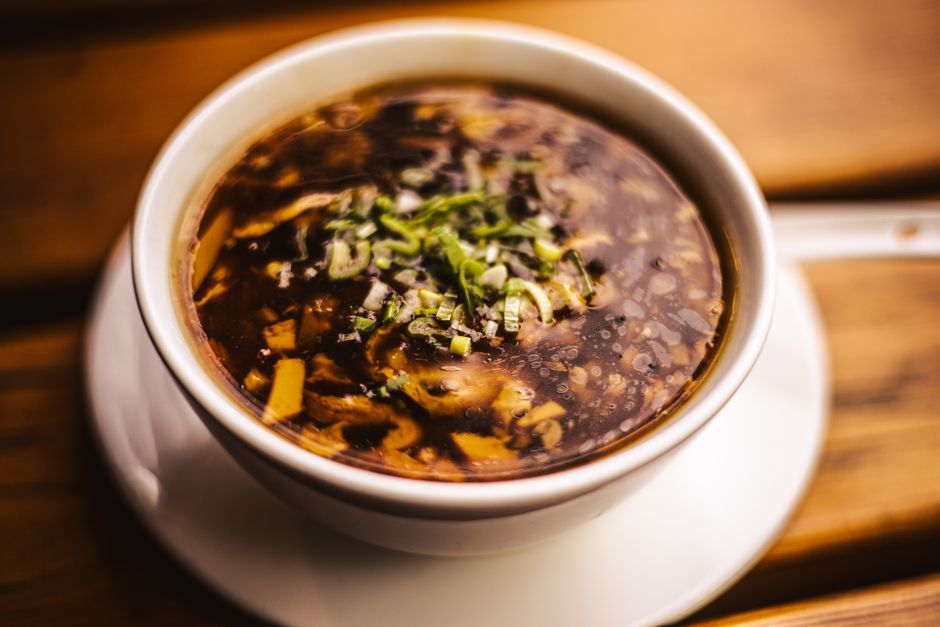
Chinese food is not inherently bad for you, but the reality depends entirely on what you order, how it is cooked, and how often you eat it. The real answer is that many popular American-Chinese dishes are high in sodium, sugar, and unhealthy fats, while traditional Chinese cooking relies on fresh vegetables, lean proteins, and light cooking methods. You do not have to give up takeout, but you do need to know which choices support your health and which ones work against it.
What Makes Chinese Food Unhealthy in America?
The biggest problem with American-Chinese food is not the cuisine itself. It is how restaurants adapt dishes for a different palate. Many dishes are deep-fried, coated in thick sugary sauces, and loaded with sodium from soy sauce, MSG, and other seasonings.
A single serving of General Tso’s chicken can contain over 1,300 milligrams of sodium. The American Heart Association recommends no more than 2,300 milligrams per day. That means one dish puts you more than halfway to your limit. Add fried rice and an egg roll, and you have blown past the daily recommendation in one meal.
Research published in the Journal of the American Dietetic Association found that Chinese takeout meals contain significantly more sodium and fat than home-cooked versions of the same dishes. The issue is not the ingredients. It is the portion sizes and preparation methods used by restaurants.
What Does Research on Is Chinese Food Bad For You The Real Answer Show?
Studies have found that people who eat restaurant Chinese food regularly have higher sodium intake and increased risk of high blood pressure. A 2015 study in the BMJ looked at sodium levels in Chinese takeout across the United States. The researchers found that 95 percent of entrees exceeded the American Heart Association’s daily sodium limit for an entire day.
However, the same research shows that traditional Chinese diets are associated with lower rates of heart disease and obesity. The difference comes down to cooking methods. Traditional Chinese cooking uses stir-frying with small amounts of oil, steaming, boiling, and braising. These methods preserve nutrients and keep calorie counts lower than deep-frying.
Evidence also indicates that monosodium glutamate, or MSG, is not the health threat many people believe it to be. The FDA classifies MSG as generally safe. Multiple studies have failed to find consistent evidence linking MSG to the symptoms people report. Some people do report sensitivity, but it is not a widespread danger for most people.
Which Chinese Dishes Are the Healthiest Choices?
Some dishes are genuinely good options. The key is looking for items that are steamed, stir-fried with light sauce, or broth-based. Here is a quick guide to better choices:
- Steamed dumplings instead of fried. They have about half the calories and far less fat.
- Moo Goo Gai Pan. This is chicken and mushrooms in a light sauce. It is one of the lowest-calorie options on most menus.
- Buddha’s Delight. A vegetable-based dish that skips heavy sauces. Ask for it without the oil-heavy preparation.
- Hot and sour soup or egg drop soup. These are broth-based and lower in calories than creamy soups or wonton soup.
- Steamed fish with ginger and scallions. This is a traditional preparation that keeps the protein lean and the flavor clean.
Ask for sauce on the side. Restaurants drown dishes in sauce. Controlling how much goes on your food gives you control over sodium and sugar. Also, ask for brown rice instead of white. It adds fiber and nutrients without changing the meal much.





Which Chinese Dishes Should You Avoid?
Some dishes are best left as occasional treats rather than regular choices. The worst offenders share common traits: deep-fried protein, thick sugary sauce, and large portions.
General Tso’s chicken is the biggest problem. The chicken is battered and deep-fried, then coated in a sauce that is roughly 20 percent sugar. A typical order contains over 600 calories and more than 30 grams of sugar. That is more sugar than a Snickers bar.
Fried rice is another trap. It starts with white rice, adds oil, eggs, soy sauce, and often more meat. A single cup of fried rice can have 400 calories and 800 milligrams of sodium. Plain steamed rice has about 200 calories and almost no sodium.
Crab rangoon and egg rolls are deep-fried and filled with cream cheese or processed meat. They add calories and fat without adding much nutritional value. A single egg roll can have 200 calories and 400 milligrams of sodium.
Lo mein is noodles tossed in oil and soy sauce. The noodles themselves are refined carbohydrates, and the sauce adds sodium. A typical serving of lo mein contains over 500 calories and 1,000 milligrams of sodium.
| Dish | Calories (approx.) | Sodium (mg) | Sugar (g) |
|---|---|---|---|
| General Tso’s chicken | 600 | 1,300 | 32 |
| Steamed dumplings (6) | 250 | 400 | 2 |
| Fried rice (1 cup) | 400 | 800 | 1 |
| Moo Goo Gai Pan | 300 | 600 | 4 |
| Egg roll | 200 | 400 | 3 |
How Can You Make Chinese Food Healthier at Home?
Cooking Chinese food at home gives you complete control over ingredients and portions. You can replicate the flavors without the excess sodium and sugar. The difference is significant.
Use low-sodium soy sauce or tamari. Regular soy sauce has about 1,000 milligrams of sodium per tablespoon. Low-sodium versions cut that by roughly 40 percent. You can also use coconut aminos, which have about 90 percent less sodium than regular soy sauce.
Control your oil. Most restaurant stir-fries use two to three tablespoons of oil per serving. You can get the same result with one tablespoon of a high-heat oil like avocado or peanut oil. Use a nonstick pan and you can cut that even further.
Add more vegetables than the recipe calls for. Most Chinese restaurant dishes are heavy on protein and light on vegetables. Flip that ratio. Use two cups of vegetables for every serving of protein. Broccoli, bell peppers, snap peas, bok choy, and mushrooms all work well.
Skip the batter. Instead of deep-frying chicken or tofu in batter, stir-fry it directly with a small amount of cornstarch. This gives you a light coating without the calories and fat from deep-frying. The texture is different but the flavor is still there.
What About MSG and Chinese Food?
MSG has been blamed for headaches, flushing, and other symptoms for decades. The fear started in 1968 when a doctor wrote a letter to the New England Journal of Medicine describing symptoms after eating Chinese food. The term “Chinese restaurant syndrome” was born. The problem is that decades of research have not supported the claim.
The FDA has reviewed MSG multiple times and found it safe for the general population. A 2016 review in the journal Nutrients concluded that there is no consistent evidence linking MSG to the symptoms people report. Some people do have mild, temporary reactions, but these are not common and not dangerous.
If you are sensitive to MSG, you can ask restaurants to leave it out. Many restaurants will accommodate this request. You can also look for dishes that rely on ginger, garlic, and scallions for flavor rather than MSG. But for most people, MSG is not a health concern worth worrying about.
How Often Can You Eat Chinese Food Without Harm?
There is no one-size-fits-all answer. It depends on your overall diet, activity level, and health goals. For most people, eating Chinese takeout once a week is fine as long as you make smart choices. If you eat it three or four times a week, you are likely getting too much sodium and not enough vegetables.
The CDC reports that 90 percent of Americans consume too much sodium. The average American gets about 3,400 milligrams per day, well above the recommended limit. Chinese takeout can push that number even higher. If you eat it regularly, balance it with low-sodium meals for the rest of the day.
Pay attention to how you feel after eating. If you feel bloated, thirsty, or sluggish, that is a sign the meal had too much sodium or fat. Your body is telling you something. Listen to it and adjust your choices next time.
Frequently Asked Questions
Is Chinese food high in sodium?
Yes, most restaurant Chinese food is very high in sodium, often exceeding 1,000 milligrams per dish. Choosing steamed dishes and asking for sauce on the side can significantly lower your sodium intake.
Can I eat Chinese food on a diet?
Yes, you can eat Chinese food on a diet if you choose steamed dishes, vegetable-heavy options, and control your portions. Avoid fried items and sugary sauces to keep calories in check.
Is MSG in Chinese food dangerous?
No, MSG is not dangerous for most people. The FDA considers it safe, and research has not found consistent evidence linking it to health problems.
What is the healthiest Chinese takeout order?
Steamed dumplings, Moo Goo Gai Pan, Buddha’s Delight, and steamed fish are among the healthiest choices. Ask for brown rice and sauce on the side for the best results.
