
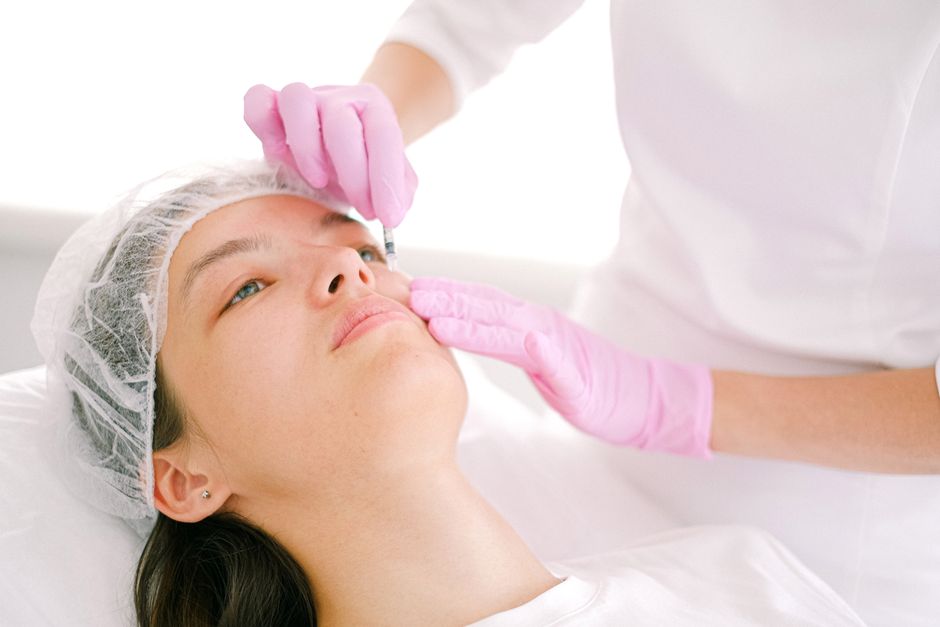
Jaw Botox is a cosmetic treatment that uses Botulinum toxin type A to slim the lower face by relaxing the masseter muscles. It is also used medically to treat bruxism (teeth grinding) and TMJ disorder. The procedure involves several small injections in the jaw muscles and costs between $400 and $1,200 per session depending on your location and provider.
How Does Jaw Botox Work Exactly?
Botox blocks nerve signals to muscles. When injected into the masseter muscle — the large muscle you feel when you clench your jaw — it prevents that muscle from contracting fully. Over time the muscle weakens and shrinks.
This shrinking is what creates the slimmer jawline appearance. For medical uses the reduced muscle activity means less clenching force. Less force means less wear on teeth and less pain in the jaw joint.
The effect is not instant. You will see some change within a week but the full result takes about four to six weeks. The muscle needs time to atrophy (shrink) from disuse.
Results last three to six months on average. When the Botox wears off the muscle slowly regains its full size. Regular maintenance treatments keep the effect going.
What Is Jaw Botox Used For?
There are two main categories of use — cosmetic and medical. Many people use it for both reasons at the same time.
Cosmetic uses:
- Slimming a square or wide jawline
- Creating a more V-shaped face
- Softening a masculine appearing jaw in women
- Balancing facial proportions
Medical uses:
- Bruxism (teeth grinding and clenching)
- TMJ disorder pain and tension
- Chronic jaw pain from muscle overuse
- Migraine headaches related to jaw tension
Research shows medical use has strong evidence behind it. A 2024 review in the Journal of Oral Rehabilitation found Botox significantly reduced both pain and clenching frequency in people with bruxism. The cosmetic use is well established but less studied in large clinical trials.
What Does Research on Jaw Botox Show?
Current research suggests Botox is effective for both medical and cosmetic jaw concerns but the quality of evidence differs between the two.
For bruxism and TMJ the evidence is solid. Multiple randomized controlled trials show Botox reduces pain and muscle activity better than placebo. A 2023 meta-analysis in Toxins found Botox reduced TMJ pain by an average of 50 to 70 percent in most patients. This is about the same as oral splints but with fewer daily compliance issues.
For cosmetic jaw slimming the evidence is more observational. Studies show people who receive masseter Botox reliably lose 20 to 30 percent of muscle volume on ultrasound measurements. Patient satisfaction rates are high — typically above 80 percent in published surveys. But there are no large head-to-head trials comparing it to surgical jaw reduction.
One thing the research is clear about: results depend heavily on injection technique. A 2022 study in Plastic and Reconstructive Surgery found that incorrect placement caused asymmetry in about 8 percent of cases. This is why choosing an experienced provider matters more than price.
As of 2026 the American Academy of Neurology lists Botox as a treatment option for chronic migraine and cervical dystonia but does not have a specific position on jaw slimming. The FDA has not approved Botox specifically for cosmetic jaw reduction. This means it is an off-label use. Off-label does not mean unsafe. It means the manufacturer has not paid for the specific FDA approval process for that indication. Many common medical treatments are used off-label.





What Are the Side Effects and Risks?
Jaw Botox is generally safe when performed by a qualified professional. But it has real risks that you should understand before deciding.
Common side effects:
- Bruising at injection sites — about 10 to 15 percent of patients
- Mild swelling for one to two days
- Temporary weakness when chewing tough foods
- Headache for 24 to 48 hours after injection
Less common but more serious risks:
- Asymmetry if one side gets more Botox than the other
- Difficulty smiling or making certain facial expressions
- A “frozen” or unnatural look if the toxin spreads
- Jaw muscle weakness that affects eating
The most talked-about risk is the “jellyfish face” or “pillow face” look. This happens when too much Botox spreads beyond the masseter into nearby muscles. The cheeks look flat and the lower face loses all definition. This is rare with proper technique but it does happen.
Another risk is bone loss. The masseter muscle attaches to the jawbone. When the muscle shrinks the bone underneath can thin slightly. A 2023 study in the Journal of Craniofacial Surgery found measurable but small changes in mandibular bone density after multiple treatments. The clinical significance of this is not yet clear. For most people the bone change is too small to cause problems.
How Much Does Jaw Botox Cost?
Jaw Botox is priced by the unit. Average cost in the United States is $10 to $20 per unit. A typical masseter treatment uses 20 to 40 units per side. That means total cost per session is $400 to $1,600.
Most people fall in the $600 to $1,000 range for both sides. Some clinics offer package pricing or charge a flat fee per area rather than per unit.
| Treatment | Typical Units | Average Cost |
|---|---|---|
| Cosmetic jaw slimming | 20-35 per side | $600-$1,200 |
| Bruxism/TMJ treatment | 25-40 per side | $700-$1,400 |
| Maintenance session | 15-25 per side | $400-$800 |
Medical insurance sometimes covers Botox for bruxism or TMJ when conservative treatments have failed. Medicare does not cover it for cosmetic purposes. Private insurance coverage varies widely. You will need documentation of failed treatments like splints or physical therapy before most insurers consider it.
Costs also vary by geographic region. New York and Los Angeles clinics tend to charge more than clinics in smaller cities. A consultation fee of $50 to $200 is common and is usually applied to the treatment cost if you proceed.
Who Should Not Get Jaw Botox?
Jaw Botox is not for everyone. Some people should avoid it entirely.
People who should not get jaw Botox:
- Pregnant or breastfeeding women — safety has not been studied
- People with neuromuscular disorders like myasthenia gravis or ALS
- Anyone with an active infection at the injection site
- People allergic to any ingredient in Botox
- Those taking certain antibiotics like aminoglycosides
If you have very thin skin or very prominent jaw bones you may not see the cosmetic result you want. The Botox only affects muscle size. It does not change bone structure. If your wide jaw is from bone rather than muscle the treatment will not slim it.
People with severe TMJ joint degeneration may not get pain relief from Botox alone. The treatment relaxes muscles but does not fix the joint itself. You may need a combination of treatments including physical therapy or surgery depending on your specific condition.
One group that often gets overlooked is people who clench during sleep but not during the day. Botox will still weaken the muscle at night but the effect may be less predictable. Some sleep bruxism is driven by airway issues rather than muscle tension. Treating the muscle without addressing the underlying cause may mask a bigger problem.
What to Expect During the Procedure
The procedure is straightforward and takes about 15 to 20 minutes. No anesthesia is usually needed though some clinics apply a numbing cream or use ice.
The provider will ask you to clench your jaw so they can feel the masseter muscle. They will mark injection points — typically three to five per side. The injections feel like a quick pinch. Most people describe it as mildly uncomfortable but not painful.
After the injections you can go back to normal activities immediately. There is no downtime. You should avoid rubbing or massaging the area for 24 hours to prevent the Botox from spreading to unintended muscles.
You should also avoid lying down flat for four hours after treatment. Strenuous exercise and alcohol should be avoided for 24 hours. These precautions reduce the risk of bruising and migration.
Results appear gradually. You will notice less clenching force within a few days. The cosmetic slimming becomes visible around two to three weeks and peaks at six to eight weeks. If you do not see any change within four weeks it is worth contacting your provider. In rare cases the Botox may not have taken effect and a touch-up may be needed.
Frequently Asked Questions
Does jaw Botox hurt?
Most people describe it as a quick pinch. The needle is very fine and the injection takes only a few seconds.
How long does jaw Botox last?
Results last three to six months on average. The muscle slowly regains its full size as the Botox wears off.
Can jaw Botox cause sagging skin?
This is possible if a large amount of muscle volume is lost in someone with loose skin. Younger people with good skin elasticity rarely experience sagging.
Is jaw Botox covered by insurance?
Insurance sometimes covers it for bruxism or TMJ if other treatments have failed. Cosmetic use is never covered.
