

Jaw pain usually comes from one of three places: the temporomandibular joint (TMJ), the muscles around it, or referred pain from somewhere else like your teeth or sinuses. The most common cause is temporomandibular joint disorder (TMD), which affects how your jaw joint moves. Other frequent causes include teeth grinding, arthritis, sinus infections, and dental problems. The pain can be sharp, dull, or a clicking sensation, and it often gets worse when you chew or talk.
What Exactly Is the Temporomandibular Joint and How Does It Cause Pain?
Your temporomandibular joint connects your jawbone to your skull. It sits right in front of each ear. This joint is unique because it slides and rotates. When something goes wrong with how it moves, you feel pain.
TMD is the umbrella term for problems with this joint and the muscles that control it. Research shows that about 5 to 12 percent of adults have some form of TMD. Women are more likely to report it than men. The exact cause is often unclear, but several things contribute.
One major factor is jaw clenching or teeth grinding, known as bruxism. Many people do this at night without knowing. The constant pressure strains the joint and surrounding muscles. Another cause is a misaligned bite, where your upper and lower teeth do not fit together properly. This forces the joint to work harder.
Arthritis can also affect the TMJ. Osteoarthritis wears down the cartilage in the joint over time. Rheumatoid arthritis causes inflammation that damages the joint. Both lead to pain and stiffness.
Do Teeth Grinding and Clenching Really Cause Jaw Pain?
Yes, they do. Bruxism is one of the most common causes of jaw pain. Studies have found that people who grind their teeth at night have significantly higher rates of jaw muscle pain and TMJ problems than those who do not.
When you grind, the forces on your jaw joint can be several times stronger than normal chewing. Over time, this wears down the joint and tires out the muscles. You might wake up with a sore jaw or headache. The pain often gets worse as the day goes on.
Stress is a major trigger for bruxism. When you are anxious, you are more likely to clench your jaw without realizing it. Some people clench during the day while focusing on work or driving. Others do it only at night. Both types cause damage.
As of 2026, current research suggests that treating bruxism with a night guard can reduce jaw pain for many people. But night guards do not stop the grinding itself. They protect the teeth and joint from the force. If you stop wearing the guard, the pain often returns.
What Role Do Dental Problems Play in Jaw Pain?
Dental issues are a common and often overlooked cause. An abscessed tooth or a deep cavity can cause pain that radiates into the jaw. The pain from a tooth infection can feel exactly like TMD pain. It can be hard to tell the difference without a dental exam.
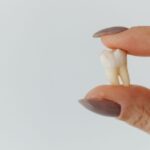
Impacted wisdom teeth are another culprit. When a wisdom tooth does not have enough room to come in, it can push against other teeth and the jawbone. This causes pressure, swelling, and pain. The pain is usually in the back of the jaw but can spread.
Gum disease can also contribute. Advanced periodontitis causes inflammation in the tissues that support the teeth. This inflammation can spread to the jawbone and the TMJ. The connection is less direct than with tooth infections, but it is real.
Dental procedures themselves can cause temporary jaw pain. Having your mouth open wide for a long time during a filling or root canal can strain the joint. This pain usually goes away within a few days. If it lasts longer, you should follow up with your dentist.




Can Sinus Infections and Other Medical Conditions Mimic Jaw Pain?
Yes, and this is where people get confused. A sinus infection causes inflammation in the cavities behind your cheeks and forehead. This pressure can radiate down into your upper jaw. It feels like tooth pain or jaw pain. The key difference is that sinus pain usually comes with nasal congestion, post-nasal drip, or a headache.
Ear infections can also cause jaw pain. The ear canal is very close to the TMJ. An ear infection can cause pain that feels like it is coming from the joint. You might also have trouble hearing or feel fluid in your ear.
Trigeminal neuralgia is a nerve condition that causes intense, stabbing pain in the face and jaw. It is rare but very painful. The pain comes in sudden bursts and can be triggered by light touch, chewing, or talking. It is often misdiagnosed as TMD at first.
Heart attacks can sometimes cause jaw pain. This is more common in women than in men. The pain is usually accompanied by chest pain, shortness of breath, nausea, or sweating. If you have jaw pain with any of these symptoms, seek emergency care immediately.
What Are the Most Effective Treatments for Jaw Pain?
Treatment depends on the cause. For TMD, the first step is usually conservative care. This means things you can do at home without a doctor. Applying ice or heat to the jaw for 15 minutes at a time can reduce muscle tension. Eating soft foods and avoiding chewy or hard foods gives the joint a rest.
Physical therapy is very effective for many people. A physical therapist can teach you exercises to stretch and strengthen the jaw muscles. They can also use techniques like massage or ultrasound to reduce pain. Studies show that physical therapy works as well as or better than surgery for TMD.
For bruxism, a night guard is the standard treatment. It is a custom-fitted plastic device that you wear over your teeth while sleeping. It does not stop the grinding, but it absorbs the force and protects the joint. Over-the-counter guards are less effective than custom ones from a dentist.
For dental causes, treatment is straightforward. Treat the tooth infection with antibiotics or a root canal. Remove impacted wisdom teeth. Treat gum disease with deep cleaning. Once the dental problem is resolved, the jaw pain usually goes away.
For sinus infections, decongestants and nasal sprays can help. If the infection is bacterial, antibiotics are needed. For trigeminal neuralgia, medications like carbamazepine are the first line of treatment. Surgery is an option for severe cases that do not respond to medication.
| Cause | Key Symptoms | First-Line Treatment |
|---|---|---|
| TMD | Clicking, popping, pain when chewing, limited mouth opening | Self-care, physical therapy, night guard |
| Bruxism | Morning jaw pain, headache, worn teeth | Night guard, stress management |
| Dental infection | Tooth pain, swelling, sensitivity to hot or cold | Root canal, antibiotics |
| Sinus infection | Facial pressure, nasal congestion, headache | Decongestants, antibiotics if bacterial |
| Trigeminal neuralgia | Sudden, stabbing facial pain, triggered by touch | Medication, surgery for severe cases |
What Should You Avoid If You Have Jaw Pain?
Avoid hard, chewy, or sticky foods. Things like nuts, popcorn, steak, and chewing gum put extra stress on the joint. Stick to soft foods like yogurt, soup, and scrambled eggs until the pain improves.
Do not rest your chin on your hand or cradle your phone between your ear and shoulder. These habits put the jaw in an awkward position and strain the joint. Also avoid wide yawning. If you feel a yawn coming, press your tongue to the roof of your mouth to keep your jaw from opening too wide.
Do not ignore the pain and hope it goes away. Many causes of jaw pain get worse without treatment. A tooth infection can spread. TMD can become chronic. If the pain lasts more than a week, see a dentist or doctor.
Do not try to crack or pop your jaw yourself. Some people think they can adjust their jaw like a chiropractor adjusts a back. This can damage the joint further. Let a professional handle any manual manipulation.
Do not rely on over-the-counter pain relievers for more than a few days. They mask the pain without treating the cause. If you need them regularly, you need a proper diagnosis.
What Causes Jaw Pain That Comes and Goes?
Intermittent jaw pain is common. It often points to a trigger that comes and goes. Bruxism is a prime example. You might grind your teeth only on nights when you are stressed. The pain shows up the next morning and fades during the day.
Sinus infections also cause waxing and waning pain. The pressure in your sinuses changes with your head position. It might hurt more when you bend over or lie down. It improves when you sit upright.
TMJ problems themselves can be intermittent. The joint might click or pop only when you chew on one side. The pain might flare up after a long conversation or a big meal. It settles down when you rest the jaw.
Some people report that jaw pain comes with hormonal changes. Women sometimes notice more jaw pain around their menstrual period. The evidence for this is mixed, but some studies suggest a link between estrogen levels and TMJ pain sensitivity.
Frequently Asked Questions
Can stress cause jaw pain?
Yes, stress is a major cause. It leads to jaw clenching and teeth grinding, which strain the joint and muscles.
How do I know if my jaw pain is from my teeth or my joint?
Tooth pain is usually constant and sensitive to temperature. Joint pain often clicks or pops and gets worse with movement.
Is jaw pain a sign of a heart attack?
It can be, especially in women. If jaw pain comes with chest pain, shortness of breath, or nausea, call 911 immediately.
Should I see a dentist or a doctor for jaw pain?
Start with a dentist. They can check for tooth and gum problems and can fit you for a night guard if needed.
