
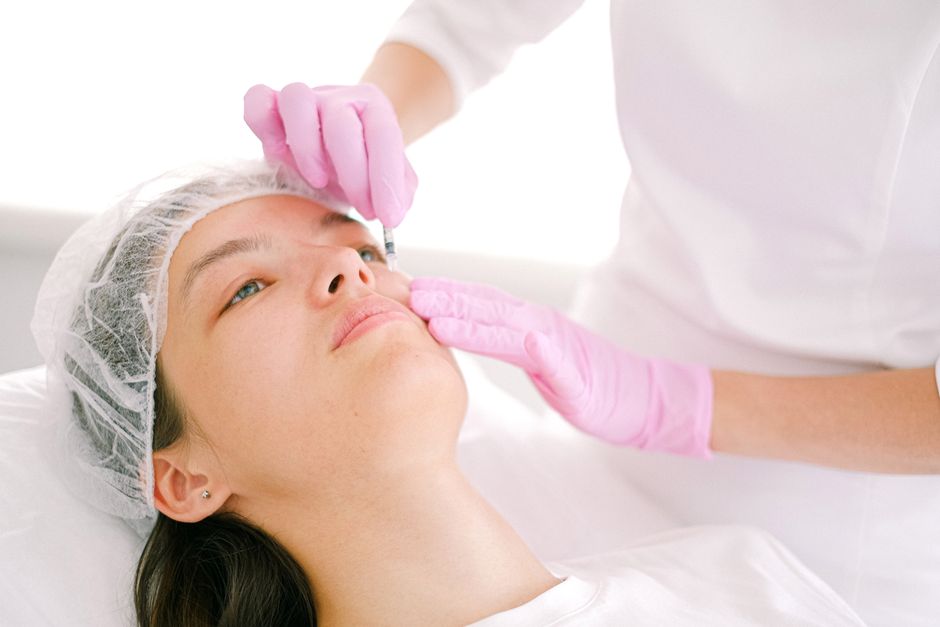
Pregnancy changes your body in many ways, and your skin is no exception. If you are used to getting Botox for frown lines, forehead wrinkles, or crow’s feet, you need to stop during pregnancy and while breastfeeding. Botox injections use botulinum toxin type A, and there is not enough research to confirm it is safe for your developing baby. The American College of Obstetricians and Gynecologists advises against cosmetic Botox during pregnancy. So what do you do instead? You focus on safe, effective topical skincare, professional treatments that avoid toxins, and lifestyle habits that support your skin’s natural health. Here is what the evidence actually shows about alternatives that work.
Is Botox Safe During Pregnancy?
No, it is not considered safe. The U.S. Food and Drug Administration labels Botox as a pregnancy category C drug. This means animal studies have shown potential risks, and there are no well-controlled human studies. Current medical guidelines recommend avoiding Botox during pregnancy and while breastfeeding. Even though the toxin stays mostly at the injection site, it can spread. The theoretical risk to the fetus is not worth the cosmetic benefit. As of 2026, no major medical organization has changed this position. If you are pregnant or planning to become pregnant, skip Botox until you have stopped nursing.
What To Do Instead Of Botox During Pregnancy
The most effective alternatives are topical ingredients that support collagen production and relax facial muscles. They do not work as fast as Botox, but they are safe and can give noticeable results over weeks. The key is consistency.
Vitamin C serum is one of the best options. Research shows that L-ascorbic acid, the active form of vitamin C, stimulates collagen synthesis and protects skin from UV damage. It also helps brighten the hyperpigmentation that often appears during pregnancy, called melasma. Apply a stable, pregnancy-safe vitamin C serum every morning.
Retinoids are not safe during pregnancy. This is critical. Retinoids like tretinoin and retinol are vitamin A derivatives that can cause birth defects. Avoid all prescription and over-the-counter retinol products until after you stop breastfeeding. Instead, use bakuchiol, a plant-based alternative. Some studies suggest bakuchiol works similarly to retinol for fine lines and firmness without the pregnancy risks. Look for a serum with 0.5% to 1% bakuchiol.
Peptides are another safe option. These are short chains of amino acids that signal your skin to produce more collagen. They are gentle, well-studied, and considered safe during pregnancy. Use a peptide-rich moisturizer or serum twice daily.
Hyaluronic acid is not a replacement for Botox, but it plumps the skin and fills in fine lines temporarily. It is a humectant that holds water in the skin. It is completely safe during pregnancy. Apply it to damp skin before moisturizer.
What Professional Treatments Are Safe During Pregnancy?
You cannot get Botox, but there are several in-office treatments that are considered low risk during pregnancy. Always check with your obstetrician first, but these are generally accepted as safe.
Facials are fine. A gentle facial with extractions, a mild enzyme peel, and a hydrating mask will not harm you or your baby. Avoid strong chemical peels with glycolic acid above 10% or salicylic acid above 2%. Stick to lactic acid or fruit enzyme peels.
LED light therapy is one of the best alternatives. Red light therapy penetrates the skin to stimulate collagen and reduce inflammation. It is non-invasive and emits no UV radiation. No studies show harm during pregnancy. Many dermatologists consider it safe. Look for a medical-grade LED device or ask your esthetician about in-office LED treatments.
Microneedling is debated. Some practitioners avoid it during pregnancy because it creates micro-injuries and can cause inflammation. Others consider it safe. There are no controlled studies on microneedling in pregnant women. If you want to be cautious, wait until after delivery. If your provider is comfortable, a very light session with a short needle depth (0.25mm to 0.5mm) is low risk.
What about chemical peels? Mild peels with lactic acid or mandelic acid are generally considered safe. Avoid deep peels with phenol or high-strength TCA. Stick to a superficial peel that exfoliates the top layer only.



How Do Lifestyle Changes Help Your Skin During Pregnancy?
Your skin is affected by hormones, stress, sleep, and nutrition. Pregnancy changes all of these. Supporting your body from the inside can improve your skin’s appearance more than any topical product.
Sleep is non-negotiable. During pregnancy, your body produces more cortisol when you are tired. Cortisol breaks down collagen and elastin. Aim for seven to nine hours of quality sleep per night. If you cannot sleep through, take short naps. Your skin repairs itself while you rest.
Hydration matters. Drink plenty of water. Your blood volume increases by about 50 percent during pregnancy, and your skin needs that fluid to stay plump. Dehydration makes fine lines more visible. There is no exact number that works for everyone, but drinking when you are thirsty and checking that your urine is light yellow are good signs.
Diet can help. Focus on foods rich in vitamin C, zinc, and omega-3 fatty acids. Vitamin C supports collagen production. Zinc helps with skin healing. Omega-3s reduce inflammation. Eat citrus fruits, bell peppers, nuts, seeds, salmon, and leafy greens. Avoid excessive sugar, which can damage collagen through a process called glycation.
Sun protection is essential. Pregnancy hormones make your skin more prone to hyperpigmentation. UV exposure makes it worse. Use a broad-spectrum sunscreen with SPF 30 or higher every day. Mineral sunscreens with zinc oxide or titanium dioxide are safe and effective. They sit on top of the skin and do not absorb into your bloodstream.
What Ingredients Should You Absolutely Avoid During Pregnancy?
Knowing what to avoid is just as important as knowing what to use. Some common anti-aging ingredients are dangerous during pregnancy.
| Ingredient | Why to Avoid | Safe Alternative |
|---|---|---|
| Retinoids (retinol, tretinoin, adapalene) | Can cause birth defects | Bakuchiol |
| Hydroquinone | High absorption risk; limited safety data | Vitamin C, azelaic acid |
| Salicylic acid (high doses) | Oral form linked to complications; topical over 2% is debated | Lactic acid, glycolic acid (under 10%) |
| Chemical sunscreens (oxybenzone, avobenzone) | Potential endocrine disruption | Zinc oxide, titanium dioxide |
| Formaldehyde-releasing preservatives | Known carcinogen; avoid during pregnancy | Paraben-free formulas with safe preservatives |
Do not use anything with a warning label for pregnant women. Read ingredient lists carefully. Even some “natural” products contain essential oils that can trigger contractions or irritation. Stick to brands that clearly label their products as pregnancy-safe.
What About Natural Remedies and DIY Treatments?
Some people turn to natural options like aloe vera, coconut oil, or cucumber slices. These are safe, but they do not replace Botox. They can hydrate and soothe, but they will not relax muscles or rebuild collagen.
Facial massage is one DIY method that has some evidence. Gentle massage can increase blood flow and temporarily relax facial muscles. Some studies suggest that regular facial massage may help with lymphatic drainage and reduce puffiness. It will not erase deep wrinkles, but it can improve skin tone. Use a clean, gentle oil like jojoba or squalane. Massage upward in small circles for two minutes daily.
Ice rolling or cold therapy can reduce puffiness and tighten skin temporarily. It constricts blood vessels, which makes your face look firmer for a few hours. It does not affect collagen or muscle movement. It is safe, but the effects are short-lived.
Sheet masks are fine for hydration. Look for ones with hyaluronic acid, glycerin, or ceramides. Avoid masks with retinol, salicylic acid, or high concentrations of essential oils.
Botox alternatives like topical argireline are sometimes marketed as “Botox in a bottle.” Argireline is a peptide that may reduce muscle contractions slightly. Some people report mild improvement in expression lines. Evidence is limited. It is safe during pregnancy, but do not expect Botox-level results.
Frequently Asked Questions
Can I get Botox while breastfeeding?
Most doctors recommend waiting until you have fully stopped breastfeeding before getting Botox. There is not enough research on how much toxin passes into breast milk, so the safest choice is to wait.
What is the best pregnancy-safe wrinkle treatment?
A combination of vitamin C serum, bakuchiol, and peptide moisturizer is your best bet. These ingredients support collagen and are considered safe during pregnancy.
How long after pregnancy can I get Botox again?
You can get Botox as soon as you have stopped breastfeeding. Many women wait until their baby is fully weaned. Check with your doctor for your specific situation.
Does pregnancy permanently change your skin?
Some changes like melasma or stretch marks may fade but not fully disappear. Other changes like increased oiliness or acne often improve after delivery. Your skin will continue to change as your hormones return to normal.
