
Male pattern baldness affects about 50 million men in the United States. By age 50, roughly 85 percent of men have significantly thinning hair. The short answer is yes — some treatments genuinely work for regrowing hair. The longer answer depends on which treatment you choose, how early you start, and whether you stick with it. Two medications have the strongest evidence behind them: finasteride and minoxidil. Low-level laser therapy and some oral supplements also show promise for certain men. But many products you see online simply do not work.
What Actually Causes Thinning Hair in Men?
Most male thinning hair is genetic. The medical term is androgenetic alopecia. It happens when hair follicles become sensitive to a hormone called dihydrotestosterone (DHT). DHT is a byproduct of testosterone. In sensitive follicles, DHT attaches to receptors and slowly shrinks the follicle over time. The hair grows back thinner and shorter each cycle until it stops growing entirely.
This process does not happen overnight. It takes years. That is why early treatment matters more than most men realize. Once a follicle is completely dead, no treatment can bring it back. The goal of treatment is to catch follicles while they are still miniaturizing — before they shut down for good.
Other causes of thinning hair include stress, poor nutrition, thyroid issues, and certain medications. But for the vast majority of men, genetics is the main driver. If your father or grandfather lost hair, you likely will too. The good news is that treatments can slow or stop this process for many men.
Do Topical Treatments Like Minoxidil Actually Regrow Hair?
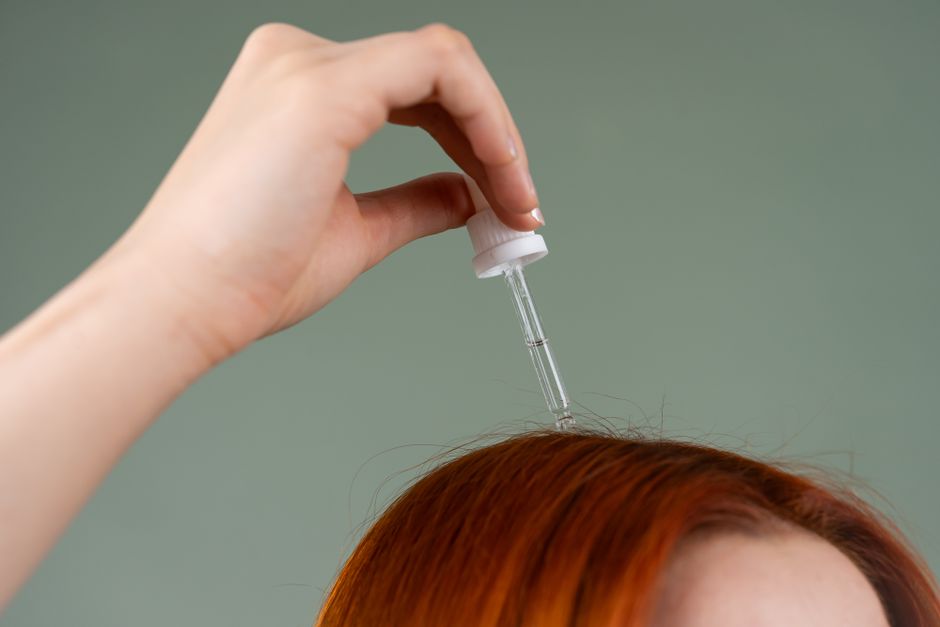
Minoxidil is one of the most studied hair loss treatments in existence. It was originally a blood pressure medication. Researchers noticed patients growing hair as a side effect. Today it is sold over the counter as Rogaine and generic versions. The FDA has approved it for male pattern baldness.
Minoxidil works by stimulating blood flow to hair follicles. It also extends the growth phase of the hair cycle. Research published in the Journal of the American Academy of Dermatology found that about 60 percent of men using minoxidil for four months experienced some regrowth. The results are modest for most men — not a full head of hair, but noticeable improvement.
The foam version is easier to apply than the liquid. It dries faster and does not leave residue. You need to use it twice daily without skipping. If you stop, any hair you regrew will fall out within three to six months. That is a commitment many men underestimate.
Can a Pill Like Finasteride Stop Hair Loss?
Finasteride is a prescription medication that blocks the enzyme converting testosterone into DHT. It reduces DHT levels in the scalp by about 60 percent. The FDA approved it for male hair loss in 1997. Multiple studies confirm it works for most men.
A five-year study published in the New England Journal of Medicine found that finasteride stopped hair loss in 83 percent of men and led to visible regrowth in 66 percent. That is a strong track record. But there are side effects to consider. About 2 to 4 percent of men report sexual side effects like reduced libido or erectile dysfunction. These are usually reversible when you stop the medication, though some men report persistent effects.
There is also a lower dose version called dutasteride. It blocks both types of the enzyme that produces DHT. Some studies suggest it works better than finasteride. But it has a higher risk of side effects and is not FDA-approved for hair loss. Many dermatologists prescribe it off-label for men who do not respond to finasteride.
Neither finasteride nor minoxidil works on the front hairline as well as they work on the crown. If your main concern is a receding hairline, these treatments may not give you the results you want.





What About Low-Level Laser Therapy and Natural Remedies?
Low-level laser therapy (LLLT) uses red light to stimulate hair follicles. The theory is that light energy increases cellular activity in the follicle, promoting growth. Several devices are FDA-cleared for hair loss, including laser caps and combs.
A 2014 review in the American Journal of Clinical Dermatology analyzed five studies on LLLT. The researchers found that it improved hair density in men with androgenetic alopecia. The effect is modest — similar to minoxidil but less proven. You need to use the device consistently for months. The devices cost between 200 and 800 dollars.
Natural remedies are a different story. Saw palmetto is often promoted as a natural DHT blocker. Some small studies suggest it may help, but the evidence is weak. A 2012 study in the Journal of Alternative and Complementary Medicine found that saw palmetto improved hair growth in 60 percent of men with mild to moderate hair loss. But the study was small and not well controlled.
Pumpkin seed oil, rosemary oil, and green tea extract have all been studied with mixed results. None of them have the same level of evidence as finasteride or minoxidil. They may help some men, but they are not a replacement for proven treatments.
How To Regrow Thinning Hair Male Treatments That Work: A Practical Comparison
This table compares the most common treatments based on evidence, cost, and ease of use.
| Treatment | Evidence Level | Monthly Cost | Ease of Use |
|---|---|---|---|
| Minoxidil (topical) | Strong — FDA approved, multiple studies | $15–$30 | Easy — apply twice daily |
| Finasteride (oral) | Strong — FDA approved, large studies | $10–$30 | Easy — one pill daily |
| Low-level laser therapy | Moderate — some studies, FDA cleared | $200–$800 one-time | Moderate — use 3–4 times weekly |
| Saw palmetto | Weak — small studies, mixed results | $10–$20 | Easy — one pill daily |
| Hair transplant surgery | Strong — permanent results | $4,000–$15,000 one-time | Hard — requires procedure and recovery |
Hair transplant surgery is the only permanent solution. It involves moving resistant follicles from the back of the scalp to thinning areas. The results are natural and lasting. But it is expensive and requires a skilled surgeon. Most men combine surgery with medication to keep existing hair healthy.
What About Supplements and Diet for Hair Growth?
Your hair needs certain nutrients to grow. Protein, iron, zinc, and vitamin D are all essential. If you are deficient in any of these, your hair may thin. But if you are not deficient, taking extra supplements will not help you regrow hair.
Biotin is the most popular hair supplement. It is widely claimed to strengthen hair and nails. But the evidence is clear: biotin only helps if you have a biotin deficiency. That is rare in people who eat a normal diet. The National Institutes of Health states that there is no strong evidence that biotin supplements improve hair growth in healthy individuals.
Iron deficiency is more common in men than most people realize. A 2017 study in the Journal of the American Academy of Dermatology found that iron deficiency was present in 35 percent of men with hair loss. If you are low on iron, supplementing can help. But get a blood test first. Taking iron without a deficiency can cause side effects like constipation and stomach pain.
Vitamin D also plays a role. A 2018 study in the International Journal of Dermatology found that men with low vitamin D levels were more likely to have hair loss. Supplementing to normal levels may help. But again, testing is essential before starting any supplement.
Frequently Asked Questions
How long does it take for hair treatments to work?
Most treatments take three to six months to show visible results. Full results usually appear after one year of consistent use.
Can you regrow hair after balding for years?
If the follicle has been dead for years, no treatment can regrow hair. The only option is hair transplant surgery for those areas.
Do hair loss shampoos really work?
Most hair loss shampoos do not contain enough active ingredient to make a difference. Ketoconazole shampoo may help reduce scalp inflammation but is not a standalone treatment.
What is the best treatment for a receding hairline?
Minoxidil and finasteride work better on the crown than the hairline. Hair transplant surgery is the most effective option for the front hairline.
The truth about regrowing thinning hair is simple: proven treatments exist, but they require patience and consistency. Finasteride and minoxidil have the strongest evidence. Low-level laser therapy may help some men. Supplements only work if you have a deficiency. Hair transplant surgery is the only permanent option for advanced loss. Start early, talk to a dermatologist, and skip the products that make promises they cannot keep.
