
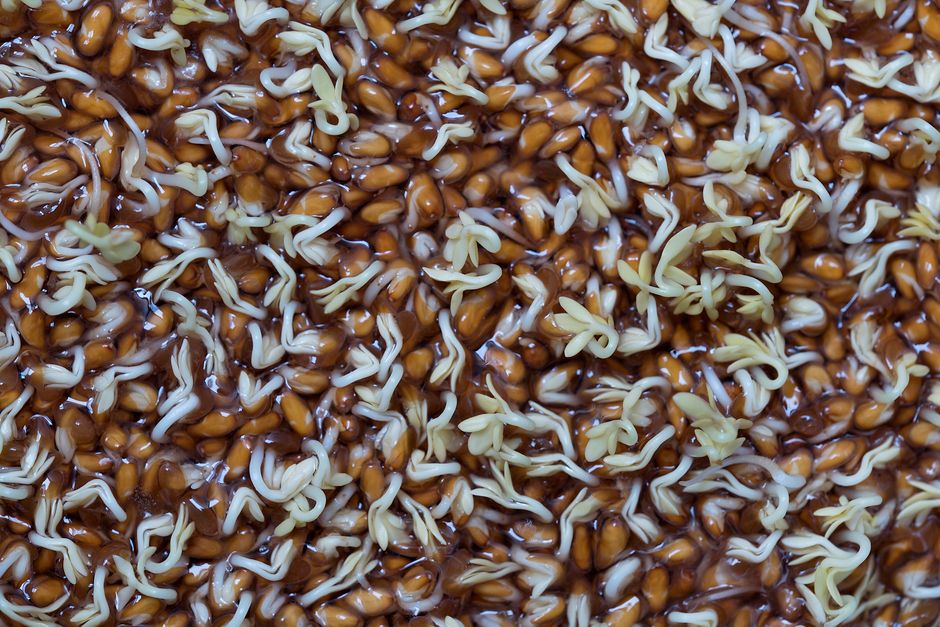
Germinated brown rice is simply brown rice that has been soaked in water for several hours until it begins to sprout. This process changes the grain’s nutritional profile, making some nutrients easier for your body to absorb. It also changes the texture and flavor, making the rice softer and slightly sweeter than regular brown rice. The germination process activates enzymes that break down stored nutrients, which is why this form of rice is often called “sprouted” or “pre-germinated” rice.
What Is Germinated Brown Rice Nutrition And Benefits?
Germinated brown rice offers a distinct nutritional profile compared to both white rice and regular brown rice. The key difference lies in what happens during the sprouting process. When the rice grain is soaked, it begins to germinate, which triggers chemical changes inside the grain. This process increases the availability of certain nutrients, particularly gamma-aminobutyric acid, commonly known as GABA.
GABA is an amino acid that acts as a neurotransmitter in the brain. It is known for its calming effects and its role in regulating nerve cell activity. Regular brown rice contains some GABA, but the germination process can significantly increase its concentration. This is one of the main reasons people choose germinated brown rice over other varieties.
The nutritional changes are not limited to GABA. Germination also reduces levels of phytic acid, a compound found in grains and seeds that can bind to minerals like iron, zinc, and calcium, reducing their absorption. By lowering phytic acid, germinated brown rice allows your body to use these minerals more effectively. This process also breaks down some of the starches and proteins, which may make the rice easier to digest for some people.
How Does Germinated Brown Rice Compare To Regular Brown Rice?
Both regular and germinated brown rice are whole grains, meaning they retain the bran and germ layers that are stripped away to make white rice. These layers contain fiber, vitamins, and minerals. The main nutritional difference between regular and germinated brown rice is the concentration and bioavailability of specific compounds.
Germinated brown rice typically has higher levels of GABA. Some research suggests that the germination process can increase GABA content by several times compared to non-germinated brown rice. The process also increases the levels of certain antioxidants, such as ferulic acid, which are found in the bran layer.
The fiber content remains similar between the two, as the bran layer is not removed. However, the reduction in phytic acid means that the minerals present in the grain, such as magnesium and zinc, are more easily absorbed by your body. This is a meaningful difference because many people consume adequate minerals but fail to absorb them fully due to dietary inhibitors like phytic acid.
There is also a difference in cooking time and texture. Germinated brown rice cooks faster than regular brown rice because the soaking process softens the grain. It also has a softer, less chewy texture, which some people find more palatable. The flavor is slightly sweeter and nuttier, which can make it an easier transition for people who are used to white rice.
What Are The Potential Health Benefits?
Research on germinated brown rice is still developing, but several areas show promise. The most studied benefit is its effect on blood sugar. Because germinated brown rice is a whole grain with intact fiber, it has a lower glycemic index than white rice. This means it causes a slower, more gradual rise in blood sugar levels. Some studies suggest that germinated brown rice may be even more effective at moderating blood sugar than regular brown rice, though the evidence is not definitive.
Heart health is another area of interest. The fiber, antioxidants, and minerals in germinated brown rice contribute to cardiovascular health in ways similar to other whole grains. The increased antioxidant activity from germination may help reduce oxidative stress, which is a factor in heart disease. However, no large clinical trials have confirmed that germinated brown rice specifically prevents heart disease better than other whole grains.
The higher GABA content has led to research on its potential effects on mood and sleep. GABA is known to have a calming effect on the nervous system. Some small studies have explored whether consuming germinated brown rice can improve sleep quality or reduce stress. The evidence is preliminary, and more research is needed before any firm conclusions can be drawn. It is not accurate to claim that eating this rice will treat anxiety or insomnia.





Does It Help With Digestion?
The germination process changes the structure of the rice grain in ways that may benefit digestion. The soaking and sprouting process partially breaks down complex starches and proteins. This pre-digestion can make the rice easier on your digestive system, particularly for people who experience bloating or discomfort after eating regular brown rice.
The reduction in phytic acid is also relevant here. Phytic acid is sometimes called an “anti-nutrient” because it interferes with mineral absorption. By reducing this compound, germinated brown rice allows for better absorption of key minerals like iron and zinc. This is especially important for people who rely heavily on plant-based diets, where mineral absorption is often a concern.
Germinated brown rice remains a high-fiber food. The bran layer is intact, providing insoluble fiber that supports regular bowel movements and feeds beneficial gut bacteria. The combination of pre-digested starches and retained fiber makes it a reasonable option for those looking to support digestive health without the heaviness sometimes associated with regular brown rice.
Is It Safe For Everyone To Eat?
Germinated brown rice is generally safe for most people. It is a whole food that has been consumed in parts of Asia for decades. However, there are a few considerations to keep in mind.
People with diabetes should monitor their portions, just as they would with any carbohydrate source. While germinated brown rice has a lower glycemic index than white rice, it still contains carbohydrates that affect blood sugar. Portion control remains important.
People with celiac disease or gluten sensitivity can safely eat germinated brown rice, as rice is naturally gluten-free. However, it is important to ensure that the product has not been cross-contaminated with gluten during processing, especially if you have a severe sensitivity.
There are no established clinical guidelines for how much germinated brown rice you should eat. No specific dosing recommendations exist. It is best treated as a food, not a supplement. Including it as part of a varied diet that contains other whole grains is a sensible approach.
How Do You Cook Germinated Brown Rice?
Cooking germinated brown rice is similar to cooking regular brown rice, but with a shorter time. The soaking process has already softened the grain, so it does not need as much time to become tender.
Most commercially available germinated brown rice comes pre-dried and ready to cook. You do not need to soak it again at home. The typical ratio is about one part rice to two parts water. Bring the water to a boil, add the rice, reduce the heat to a simmer, cover, and let it cook for about 20 to 25 minutes. Regular brown rice typically takes 40 to 50 minutes, so this is a significant time saving.
You can also cook germinated brown rice in a rice cooker using the same water-to-rice ratio. The texture will be slightly softer and stickier than regular brown rice, which makes it a good option for dishes where you want a more tender grain. It works well in stir-fries, grain bowls, and as a side dish for proteins and vegetables.
Where Can You Buy It?
Germinated brown rice is becoming more widely available. You can find it in many grocery stores, particularly in the natural foods or international foods sections. It is also commonly sold online through various retailers. Some specialty Asian grocery stores carry it as a staple product.
When purchasing germinated brown rice, check the label to confirm that it is indeed germinated. Some products are labeled “sprouted brown rice” or “pre-germinated brown rice.” The packaging should indicate this. If the label simply says “brown rice,” it is likely not germinated. The price is typically higher than regular brown rice due to the additional processing steps required.
Frequently Asked Questions
What does germinated brown rice taste like?
Germinated brown rice has a slightly sweeter and nuttier flavor than regular brown rice. It also has a softer, less chewy texture that many people find more enjoyable.
Is germinated brown rice better than white rice?
Germinated brown rice retains the bran and germ, providing more fiber, vitamins, and minerals than white rice. It also has a lower glycemic index, meaning it raises blood sugar more slowly.
Can you eat germinated brown rice every day?
Yes, it is safe to eat germinated brown rice daily as part of a balanced diet. It is a whole grain, and there are no known risks associated with regular consumption.
Does germinated brown rice have more protein than regular brown rice?
The protein content is similar to regular brown rice. The germination process does not significantly increase the amount of protein, but it may make the protein slightly easier to digest.
