
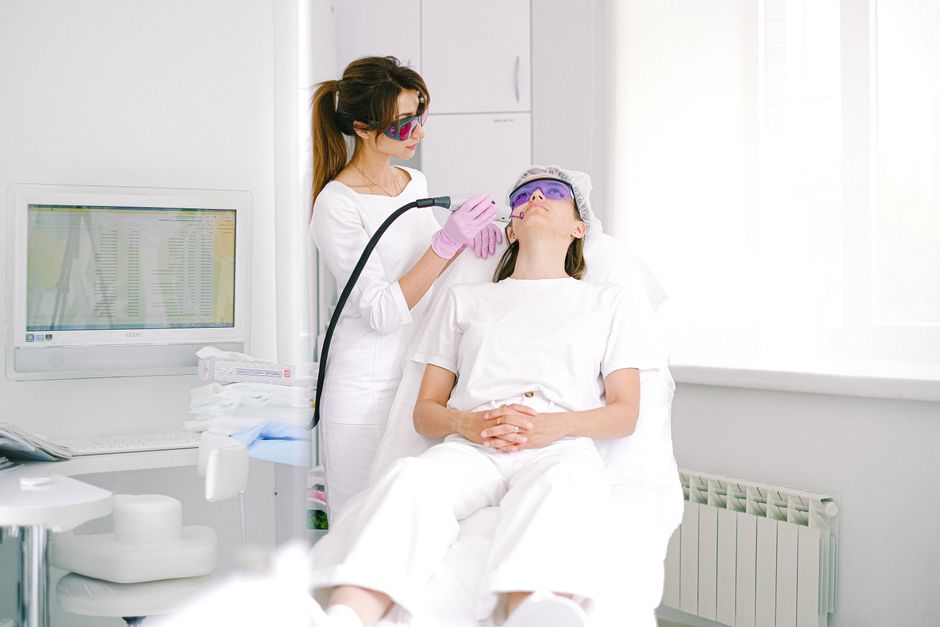
CO2 laser treatment is a medical procedure that uses a concentrated beam of carbon dioxide laser light to remove or resurface layers of skin. It is a well-established tool in dermatology and cosmetic surgery, used for everything from reducing scars and wrinkles to removing growths. The benefits include significant skin tightening and texture improvement, but the risks include redness, swelling, and a real recovery period that can last up to two weeks. The cost varies widely, typically ranging from several hundred to several thousand dollars depending on the treatment area and whether you choose a fractional or fully ablative procedure.
How Does CO2 Laser Treatment Work?
CO2 lasers work by delivering energy in the form of light at a specific wavelength that water absorbs very well. Since human skin is about 70 percent water, the laser energy is rapidly absorbed by the top layers of the skin. This causes the targeted skin cells to heat up and vaporize instantly.
This controlled destruction removes the damaged outer layer. Below that, the body responds by producing new collagen, the protein that gives skin its firmness and elasticity. This dual action — removing old skin and stimulating new collagen — is what creates the visible improvement in texture and tone.
There are two main types of CO2 laser treatment. Ablative lasers remove the entire top layer of skin. Fractional lasers create tiny columns of treated skin surrounded by untreated skin, which speeds up healing significantly. Fractional treatments are now the more common choice for cosmetic purposes because they offer a better balance between results and downtime.
What Conditions Can CO2 Laser Treat?
CO2 lasers are versatile tools in dermatology. The most common uses include treating wrinkles and fine lines, sun damage, and age spots. They are also effective for improving the appearance of acne scars, surgical scars, and stretch marks.
Beyond cosmetic uses, CO2 lasers have medical applications. They can remove benign skin growths like warts, moles, and skin tags. In some cases, they are used to treat precancerous skin lesions called actinic keratoses. Dermatologists also use them to treat conditions like xanthelasma, which are cholesterol deposits under the skin around the eyes.
It is important to understand that CO2 laser treatment does not stop the aging process. It resets the clock to some degree, but new sun damage and wrinkles will continue to form after treatment. Maintenance treatments are often needed to preserve results.
What Are the Benefits of CO2 Laser Treatment?
The benefits of CO2 laser treatment are well documented in clinical practice. For many patients, the results are dramatic compared to other non-invasive treatments like chemical peels or microdermabrasion.
- Significant collagen remodeling: The laser triggers a deep wound-healing response that produces new collagen for months after the procedure.
- Precise targeting: The laser can treat very specific areas without damaging surrounding tissue.
- Long-lasting results: Unlike topical creams that stop working when you stop using them, the structural changes from CO2 laser treatment persist.
- Versatility: It treats multiple concerns — wrinkles, scars, pigmentation, and texture — in a single session.
For acne scars specifically, research consistently shows that CO2 laser resurfacing remains one of the most effective treatments available. The improvement is often visible after one session, though multiple sessions may be needed for deep scars.





What Are the Risks and Side Effects?
CO2 laser treatment is a medical procedure, not a spa service. The risks are real and should be weighed carefully.
The most common side effects are redness, swelling, and a burning sensation immediately after treatment. This is expected. The skin will look and feel like a sunburn for several days. The redness can persist for weeks, and in some cases, months, especially after fully ablative treatment.
More serious risks include infection, scarring, and changes in skin pigment. Hyperpigmentation — darkening of the skin — is more common in people with darker skin tones. Hypopigmentation — lightening of the skin — can occur and may be permanent. This is a particular concern with aggressive treatments.
Cold sores can be triggered by the trauma of the laser if you carry the herpes simplex virus. Doctors typically prescribe antiviral medication before and after treatment to prevent this. Bacterial infections are also possible, so keeping the treated area clean is critical.
There is a risk of burns if the laser settings are too aggressive or if the operator is inexperienced. This is why choosing a board-certified dermatologist or plastic surgeon with specific experience in laser procedures matters. The skill of the operator is a major factor in both results and complications.
What Is the Recovery Process Like?
Recovery depends entirely on the type of treatment you receive. Fractional CO2 laser treatment has a shorter downtime than fully ablative treatment.
For the first 24 to 48 hours, the skin will be red, swollen, and may weep fluid. You will need to apply a healing ointment regularly. After about three to five days, the skin will start to peel and flake off. This is not a clean process — the skin looks raw and crusty during this phase.
By day seven to ten, most of the peeling is done, but the skin will still be pink. This pinkness can last two to three months for ablative treatments. You must avoid sun exposure during this time because new skin is highly vulnerable to sun damage. Sunscreen with high SPF is non-negotiable.
You can expect to take at least one week off work for a fractional treatment. For a fully ablative treatment, plan on one to two weeks of social downtime. The skin will look visibly “done” for a while — this is not a procedure you can hide.
How Much Does CO2 Laser Treatment Cost?
Cost is one of the most variable aspects of CO2 laser treatment. The price depends on the size of the treatment area, the number of sessions needed, the type of laser used, and the geographic location of the practice.
For a fractional CO2 laser treatment on the face, you can expect to pay anywhere from $1,000 to $3,000 per session. A fully ablative treatment on the full face typically costs more, ranging from $2,500 to $5,000 or more. Treating smaller areas like the upper lip or around the eyes will cost less, often $500 to $1,500.
Most patients need more than one session to achieve optimal results, especially for acne scars or deep wrinkles. Ask your provider for a complete treatment plan with all associated costs before committing. This should include the cost of anesthesia, facility fees, and any post-procedure medications.
Insurance rarely covers cosmetic CO2 laser treatment. However, if the procedure is being done to remove a precancerous lesion or a growth that is causing medical problems, some portion may be covered. Check with your insurance company before scheduling.
Who Is a Good Candidate for CO2 Laser Treatment?
Good candidates are people with realistic expectations and overall healthy skin. The treatment works best on lighter skin tones because the risk of pigment changes is lower. People with darker skin can still be treated, but they need an experienced provider and often require special preparation with skin-lightening agents beforehand.
People with active acne infections, open wounds, or a history of keloid scarring are generally not good candidates. Those who have taken isotretinoin (Accutane) within the past six months should not undergo this procedure because it significantly increases the risk of scarring.
If you have a history of cold sores, your doctor will prescribe antiviral medication. If you are pregnant, most providers will defer treatment until after delivery, though there is no strong evidence that the laser itself harms the fetus. The main concern is the medications used during and after the procedure.
How Does CO2 Laser Compare to Other Treatments?
CO2 laser is often compared to other resurfacing options like erbium lasers, chemical peels, and microneedling. Each works differently.
Erbium lasers are less aggressive than CO2 lasers. They cause less downtime and fewer pigment risks, but the results are also less dramatic. For mild to moderate sun damage, erbium may be a better first choice. For deep wrinkles or significant scarring, CO2 is often more effective.
Chemical peels use acid solutions to remove the top layers of skin. They are cheaper but offer less precise control over depth. Deep chemical peels carry their own risks, including scarring and pigment changes.
Microneedling uses tiny needles to create micro-injuries in the skin. It stimulates collagen with virtually no downtime. However, it does not remove the top layer of skin, so it is less effective for treating surface texture and pigmentation.
The choice depends on your specific skin concerns, your tolerance for downtime, and your budget. A consultation with a dermatologist is the only way to determine which approach fits your situation.
Frequently Asked Questions
Is CO2 laser treatment painful?
Yes, most patients report significant discomfort during the procedure, which is why topical numbing cream or local anesthesia is standard. After the numbing wears off, the treated area burns and aches for several days.
How many CO2 laser sessions will I need?
Many patients see meaningful improvement after one session, but deep scars or wrinkles often require two to three sessions spaced several months apart. Your provider will assess your response to the first treatment before recommending more.
Can CO2 laser treatment be done on any skin type?
It can be done on darker skin, but the risk of permanent pigment changes is significantly higher. Patients with darker skin should seek a provider with specific experience treating their skin type and may need preparatory skin care.
How long do CO2 laser results last?
Results can last several years, but they are not permanent because aging and sun exposure continue. Protecting your skin with sunscreen and a good skincare routine will extend the results.
