
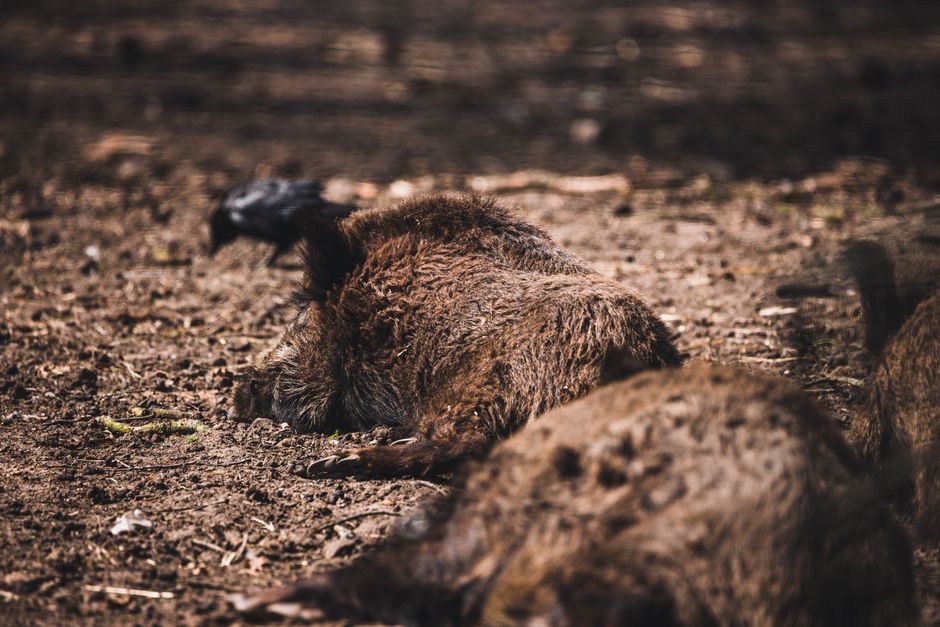
Wild boar meat is a lean, protein-rich red meat that offers several nutritional advantages over domestic pork, but it also comes with safety considerations that require proper handling and cooking. Compared to farmed pork, wild boar is significantly lower in fat and calories while providing more protein, iron, and zinc per serving. However, because wild boar is a game animal, it carries a higher risk of transmitting certain diseases and parasites, making thorough cooking to an internal temperature of 160°F (71°C) absolutely non-negotiable.
What Is the Nutritional Profile of Wild Boar Meat?
Wild boar meat is nutritionally dense in a way that surprises many people. A 3-ounce cooked serving provides roughly 22 grams of protein and only about 120 calories. That is comparable to chicken breast in protein density but with a richer mineral profile.
The fat content is where wild boar clearly separates from domestic pork. Research from the USDA shows wild boar has about 2 to 3 grams of fat per serving, while the same amount of farmed pork loin has around 9 grams. The fat wild boar does have contains a higher proportion of monounsaturated and polyunsaturated fats compared to the saturated fat found in grain-fed domestic pigs.
Iron levels are notably higher. A serving of wild boar provides about 15% of the daily recommended intake for iron, compared to roughly 6% from domestic pork. This matters for anyone concerned about anemia or looking to improve iron absorption. Zinc is also significantly higher, with wild boar providing about 20% of the daily value per serving, which supports immune function and wound healing.
How Does Wild Boar Compare to Domestic Pork Nutritionally?
| Nutrient (per 3 oz cooked) | Wild Boar | Domestic Pork Loin |
|---|---|---|
| Calories | ~120 | ~180 |
| Protein | 22g | 18g |
| Total Fat | 2-3g | 9g |
| Saturated Fat | 0.8g | 3.2g |
| Iron | 15% DV | 6% DV |
| Zinc | 20% DV | 8% DV |
| B12 | 15% DV | 8% DV |
The numbers make one thing clear: wild boar is not just a novelty protein. It genuinely outperforms domestic pork on multiple key nutrients while delivering fewer calories and less fat. The trade-off is that wild boar is leaner and can dry out quickly if overcooked, which is why braising or slow cooking is often recommended.
What Are the Health Benefits of Eating Wild Boar?
The health benefits of wild boar meat come down to its nutrient density and fat composition. Because it is so lean, it fits well into calorie-controlled diets without sacrificing protein intake. The higher iron content is a real advantage for people who struggle to get enough from plant sources alone.
Wild boar also contains more omega-3 fatty acids than grain-fed domestic pork. The reason is simple: wild boars eat acorns, roots, berries, and other forage, which produces a more favorable fat profile. Some studies suggest that the ratio of omega-6 to omega-3 in wild boar is closer to 4:1, while domestic pork can exceed 20:1. A lower ratio is generally associated with reduced inflammation.
Another benefit that is less discussed is the lack of added hormones and routine antibiotics. Wild boar is not raised in confinement operations. This does not automatically mean it is healthier, but it removes concerns some people have about residues in conventionally raised pork. The CDC does not consider antibiotic residues in meat a major health risk for most people, but it is a factor some choose to avoid.


Is Wild Boar Meat Safe to Eat? What Are the Risks?
Safety is the main concern with wild boar, and it is not something to gloss over. The most serious risk is trichinellosis, caused by the parasite Trichinella spiralis. Wild boar is one of the most common sources of this infection in the United States. The CDC reports that from 2016 to 2022, nearly all trichinellosis cases in the U.S. were linked to wild game meat, with wild boar being the primary culprit.
Cooking to an internal temperature of 160°F (71°C) kills the parasite. Freezing alone is not reliable for wild boar because the Trichinella strains found in wild animals can survive freezing for weeks. The USDA recommends cooking as the only dependable method for safety.
Other risks include brucellosis, a bacterial infection that can cause fever, joint pain, and fatigue. This is rare but real for anyone handling raw wild boar meat or blood. Hunters and butchers are at higher risk than consumers who eat fully cooked meat. Tularemia and toxoplasmosis are also possible but much less common.
The takeaway: wild boar is safe when handled correctly and cooked thoroughly. It is not safe to eat rare or medium-rare like domestic pork. Anyone serving wild boar to guests should be very clear about this.
How Should You Handle and Cook Wild Boar Meat?
Handling wild boar starts before cooking. If you are processing the meat yourself, wear gloves when field dressing the animal. Avoid contact with blood and organs. The CDC recommends keeping raw wild boar meat separate from other foods in your refrigerator and using a dedicated cutting board.
Marinating helps with both tenderness and safety. An acidic marinade with vinegar, citrus, or wine can help reduce surface bacteria, though it will not kill parasites inside the meat. The only way to ensure safety is temperature.
Cooking methods that work well include braising, slow cooking, stewing, and pressure cooking. These methods break down the connective tissue in the meat, which is tougher than domestic pork because wild boar is more active. Grilling or pan-searing works for tender cuts like loin or tenderloin, but you must still reach 160°F internally. A meat thermometer is not optional here.
Ground wild boar is especially risky because grinding can spread surface bacteria throughout the meat. Cook ground wild boar to 165°F (74°C) to be safe.
Does Wild Boar Taste Different From Domestic Pork?
Yes, and the difference matters for cooking. Wild boar has a stronger, earthier flavor often described as gamey. This comes from the animal’s diet and higher activity levels. The meat is darker in color and has less fat marbling, which affects both flavor and texture.
Some people prefer the taste of wild boar over domestic pork. Others find it too strong and need to mask it with marinades or spices. The flavor varies depending on what the boar ate, its age, and whether the meat was properly bled and cooled after the kill. A younger boar that was field dressed quickly will taste milder than an older boar that was not handled well.
If you are trying wild boar for the first time, start with a recipe that includes bold flavors like garlic, rosemary, red wine, or juniper berries. These complement the natural taste rather than trying to hide it. Do not expect it to taste like bacon. It will not.
Is Wild Boar Meat Healthy Nutrition And Safety Worth the Effort?
For most people, the answer is yes, with clear conditions. The nutritional advantages are real and backed by data. The protein, iron, zinc, and better fat profile make it a genuinely healthier red meat option than domestic pork or beef. The safety risks are manageable with proper handling and cooking.
The main downsides are availability and cost. Wild boar is not sold in most grocery stores. You may need to find a specialty butcher, order online, or hunt it yourself. The price is typically higher than domestic pork, often double or more. Some people also find the flavor too strong, so it is worth trying a small amount before committing to a larger purchase.
If you are looking for a lean, nutrient-dense red meat and you are willing to follow safe cooking practices, wild boar is a solid choice. If you prefer mild flavors or want the convenience of standard grocery store meat, it is probably not for you.
Frequently Asked Questions
Is wild boar meat healthier than regular pork?
Yes, wild boar is leaner and higher in protein, iron, and zinc than domestic pork, with fewer calories and less saturated fat per serving.
Can you eat wild boar meat rare?
No, wild boar must be cooked to an internal temperature of 160°F to kill parasites like Trichinella that freezing does not reliably destroy.
Where can I buy wild boar meat?
Wild boar is available at specialty butcher shops, online meat retailers, and from hunters who process and sell the meat legally in many states.
Does wild boar taste gamey?
Yes, wild boar has a stronger, earthier flavor than domestic pork, which varies based on the animal’s diet, age, and how the meat was handled after harvest.
