
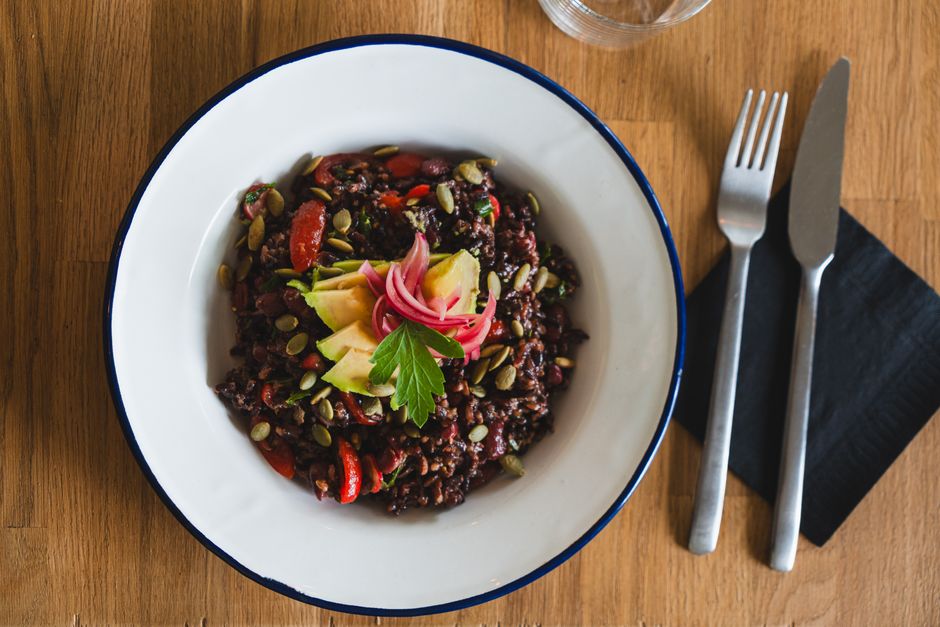
Mexican rice is a popular side dish, but its health value depends entirely on how it is made. A basic serving of white rice cooked with oil, tomato, and onion provides carbohydrates and some vitamins, but it is not a nutrient-dense food. The biggest factors that determine whether it is healthy are the type of rice used, the amount of fat added, and the portion size.
What Is Actually in a Serving of Mexican Rice?
A standard one-cup serving of homemade Mexican rice made with white rice contains roughly 200 to 250 calories. Most of those calories come from carbohydrates, about 40 to 45 grams per serving. The protein content is low, around 4 grams, and fat varies from 5 to 10 grams depending on how much oil is used.
Mexican rice does provide some micronutrients. The tomato and onion add a small amount of vitamin C and fiber. If the rice is cooked in chicken broth, it adds some sodium and a little protein. But the nutritional profile is mostly starch and fat.
Restaurant versions often contain more oil and salt than homemade versions. A restaurant serving can easily top 350 calories and 800 milligrams of sodium, which is over one-third of the daily recommended limit for many adults. The American Heart Association recommends no more than 2,300 milligrams of sodium per day, and ideally under 1,500 for most adults.
Does the Type of Rice Change the Health Value?
Yes, the type of rice makes a major difference. White rice is the most common base for Mexican rice. It has the bran and germ removed, which strips away most of the fiber, vitamins, and minerals. A cup of cooked white rice has less than one gram of fiber.
Brown rice keeps the bran and germ intact. A cup of cooked brown rice has about 3.5 grams of fiber. Fiber slows down digestion, helps with blood sugar control, and supports gut health. The CDC reports that most American adults only get about half the fiber they need, roughly 15 grams per day instead of the recommended 25 to 30 grams.
Some studies suggest that swapping white rice for brown rice can lower the risk of type 2 diabetes. Research published in the Archives of Internal Medicine found that eating five or more servings of white rice per week was linked to a higher risk of diabetes, while replacing white rice with brown rice was linked to a lower risk. The difference comes down to fiber and how quickly the carbohydrates enter your bloodstream.
There is also a middle option. Parboiled or converted rice is partially precooked before the bran is removed. It retains more nutrients than white rice but less fiber than brown rice. It is a reasonable compromise if you find brown rice too chewy for Mexican rice recipes.
How Does Cooking Method Affect the Nutrition?
The traditional method for Mexican rice starts with toasting the dry rice in oil until it turns golden. This step adds fat and changes the texture. Toasting does not significantly alter the carbohydrate content, but it does increase the calorie count from oil.
Many recipes call for one to two tablespoons of oil per cup of dry rice. One tablespoon of vegetable oil has about 120 calories and 14 grams of fat. If you use two tablespoons, that adds 240 calories to the whole batch. Over a four-serving recipe, that is 60 extra calories per serving.
You can reduce the oil without ruining the dish. Using one tablespoon instead of two cuts the fat by about half. You can also toast the rice in a dry pan and add the oil later, which uses less oil overall. Some people report that using a nonstick pan allows them to toast the rice with just a spritz of oil.
The cooking liquid also matters. Rice cooked in water alone has no added sodium. Rice cooked in canned chicken broth can add 600 to 800 milligrams of sodium per cup of broth. Using low-sodium broth or homemade broth cuts the salt significantly. The CDC states that reducing sodium intake can lower blood pressure and reduce the risk of heart disease.




What Are the Healthiest Ways to Eat Mexican Rice?
Portion control is the simplest way to make Mexican rice fit into a healthy diet. A serving size is about half a cup, not the heaping mounds often served at restaurants. Half a cup of white rice has about 100 to 120 calories, which leaves room for protein and vegetables on the same plate.
Adding vegetables to the rice itself boosts the fiber and vitamin content. Diced bell peppers, corn, peas, or zucchini cook well with the rice. Some recipes add black beans or pinto beans, which adds protein and fiber. A cup of black beans has about 15 grams of fiber and 15 grams of protein.
Pairing Mexican rice with lean protein and vegetables creates a balanced meal. Instead of making rice the star of the plate, treat it as a small side. A serving of grilled chicken, fish, or tofu with a large salad or roasted vegetables makes the rice a minor part of the meal rather than the main source of calories.
There is no clinical evidence that Mexican rice itself causes weight gain or poor health. The problem is almost always the portion size and what else is on the plate. A half-cup serving of rice with a balanced meal is not a problem for most people.
| Component | White Rice Version (1 cup) | Brown Rice Version (1 cup) |
|---|---|---|
| Calories | 200-250 | 215-260 |
| Carbohydrates | 40-45g | 45-50g |
| Fiber | less than 1g | 3-4g |
| Fat | 5-10g | 5-10g |
| Sodium (homemade, low-sodium broth) | 50-150mg | 50-150mg |
| Sodium (restaurant version) | 600-900mg | 600-900mg |
Is Mexican Rice Healthy for People with Diabetes or Blood Sugar Concerns?
White rice has a high glycemic index, meaning it raises blood sugar quickly. The glycemic index of white rice is around 70 to 80, which is considered high. Brown rice has a lower glycemic index, around 50 to 55, because the fiber slows down digestion.
For people with type 2 diabetes or prediabetes, white rice can cause blood sugar spikes. The American Diabetes Association does not ban white rice, but it recommends choosing whole grains more often. They suggest that people with diabetes limit refined grains and focus on fiber-rich carbohydrates.
Some strategies can lower the blood sugar impact of Mexican rice. Adding beans or vegetables to the rice increases the fiber content, which slows the release of glucose into the bloodstream. Eating rice with protein and fat also blunts the blood sugar response. A study in the American Journal of Clinical Nutrition found that meals with a balance of protein, fat, and carbohydrates led to lower post-meal blood sugar levels compared to high-carb meals alone.
There is no strong evidence that moderate amounts of white rice are harmful for people without diabetes. The issue is cumulative. Eating large portions of white rice regularly, especially without fiber or protein, can contribute to poor blood sugar control over time. For most people, swapping to brown rice or reducing portion size is enough.
What About Common Additives and Ingredients?
Many packaged Mexican rice mixes contain additives. Some include hydrolyzed vegetable protein, monosodium glutamate, or yeast extract to boost flavor. These ingredients add sodium and do not provide any nutritional benefit. The FDA considers MSG safe, but it adds sodium without adding nutrients.
Some mixes also contain partially hydrogenated oils, which are a source of trans fats. The FDA has largely banned artificial trans fats, but some products still contain small amounts. Checking the ingredient list is the only way to know. If you see “partially hydrogenated oil” on the label, it is best to avoid that product.
Homemade Mexican rice avoids these additives entirely. You control the oil, the salt, and any extra ingredients. This is the simplest way to ensure you are not getting hidden fats, sodium, or preservatives.
Tomato paste or tomato sauce is common in Mexican rice. Tomatoes provide lycopene, an antioxidant linked to heart health and reduced cancer risk. Cooking tomatoes actually increases the amount of lycopene your body can absorb. So the tomato content is a genuine nutritional benefit, not a marketing claim.
Common Misconceptions About Mexican Rice
One common myth is that Mexican rice is always unhealthy because it is fried. Toasting rice in oil is a light frying step, but it does not make the rice greasy like deep-fried foods. The oil is absorbed into the rice grains and does not add the same amount of fat as frying in a vat of oil.
Another misconception is that Mexican rice is a good source of vegetables. While it contains tomato and onion, the amounts are small. A serving of Mexican rice typically has less than a quarter cup of vegetables. It should not replace a serving of vegetables on your plate.
Some people believe that all Mexican rice is made with lard. Traditional recipes sometimes use lard for flavor, but most modern recipes use vegetable oil. Lard is high in saturated fat, but it is not commonly used in most home cooking or restaurant versions today. If you are concerned, ask the restaurant or check the recipe.
There is also a belief that Mexican rice is a complete protein. Rice is not a complete protein because it is low in the amino acid lysine. Beans are low in methionine, another amino acid. Together, rice and beans form a complete protein. But Mexican rice alone, without beans, does not provide all the essential amino acids.
Frequently Asked Questions
Is Mexican rice healthier than white rice?
Mexican rice is not inherently healthier than plain white rice. The added tomato and onion provide a small amount of vitamins, but the oil and salt often cancel out any benefit.
Can Mexican rice be part of a weight loss diet?
Yes, if you control the portion size. A half-cup serving of Mexican rice has about 100 to 120 calories and can fit into a calorie-controlled diet.
Is restaurant Mexican rice much worse than homemade?
Restaurant versions typically have more oil and significantly more sodium. A restaurant serving can have three to four times the sodium of a homemade version made with low-sodium broth.
Does Mexican rice have any nutritional benefits?
It provides carbohydrates for energy and small amounts of vitamin C and lycopene from the tomato. It is not a significant source of fiber, protein, or most vitamins.
