
Every breath you take moves air through your lungs, but what happens inside them is more complex than most people realize. The primary function of the lungs is to bring oxygen into your blood and remove carbon dioxide from it. They are the central organs of your respiratory system, working around the clock without you ever thinking about it.
What Exactly Do the Lungs Do in the Body?
Your lungs are two sponge-like organs located on either side of your chest. Their main job is gas exchange. When you inhale, oxygen from the air passes through tiny air sacs called alveoli and into your bloodstream. At the same time, carbon dioxide, a waste product from your cells, moves from your blood into the alveoli and gets exhaled out.
This process is called respiration. It is not just breathing. Breathing is the mechanical act of moving air in and out. Respiration is the chemical exchange happening inside the lung tissue. Without this exchange, every cell in your body would stop working within minutes.
The lungs also help regulate your body’s pH balance. Carbon dioxide in your blood forms carbonic acid. By controlling how much CO2 you hold onto or release, your lungs help keep your blood from becoming too acidic or too alkaline. The kidneys help with this too, but the lungs respond much faster, within seconds.
How Do the Lungs Work Step by Step?
Air enters through your nose or mouth and travels down the trachea, or windpipe. The trachea splits into two tubes called bronchi, one leading to each lung. Inside the lungs, the bronchi branch into smaller and smaller tubes called bronchioles, like an upside-down tree. At the end of the smallest bronchioles are clusters of alveoli.
There are about 300 million alveoli in your lungs. If you flattened them all out, they would cover a tennis court. Each alveolus is wrapped in a mesh of tiny blood vessels called capillaries. The walls of the alveoli and capillaries are both just one cell thick. Oxygen and carbon dioxide pass directly through these thin walls by simple diffusion, moving from areas of higher concentration to lower concentration.
Your diaphragm, a dome-shaped muscle under your lungs, does the heavy lifting for breathing. When it contracts, it pulls downward, creating a vacuum that sucks air in. When it relaxes, air pushes back out. This is how you breathe without ever thinking about it, about 12 to 20 times per minute at rest.
What Is Function of the Lungs Beyond Breathing?
Most people think the lungs only handle air exchange, but they do more. Your lungs act as a filter. They trap small blood clots before they can reach your brain or heart. The lungs also break down certain chemicals and hormones that circulate in your blood. For example, they convert angiotensin I into angiotensin II, a molecule that helps control blood pressure.
Your lungs also help defend against infection. They produce mucus that traps bacteria, viruses, and dust particles. Tiny hair-like structures called cilia sweep that mucus upward toward your throat, where you swallow it or cough it out. This is your body’s first line of defense against airborne germs.
Additionally, the lungs play a role in speech. Air moving over your vocal cords in the larynx creates sound. Without the steady airflow your lungs provide, speaking would be impossible. This is why people with severe lung disease often struggle to talk for more than a few seconds.




What Happens When Lung Function Declines?
When lungs lose function, the effects show up in daily life first. Shortness of breath during activities that used to be easy, like climbing stairs or walking uphill, is an early sign. Chronic coughing, wheezing, or feeling like you cannot take a deep breath are also common.
Two main types of lung disease exist: obstructive and restrictive. Obstructive diseases like COPD and asthma make it hard to push air out. The airways narrow or become blocked. Restrictive diseases like pulmonary fibrosis make it hard to fully expand the lungs. The tissue stiffens. Both reduce oxygen delivery to the body.
Research published in the journal The Lancet found that about 545 million people worldwide have chronic respiratory disease. The CDC reports that COPD alone affects about 16 million Americans. Many more remain undiagnosed because they attribute their symptoms to aging or being out of shape.
Smoking is the leading cause of preventable lung damage. But air pollution, occupational exposure to dust and chemicals, and respiratory infections also take a toll. Once lung tissue is scarred, it cannot regenerate. However, quitting smoking and avoiding pollutants can slow or stop further damage.
How Can You Keep Your Lungs Healthy?
There is no magic supplement or breathing trick that reverses lung damage. But there are proven ways to protect what you have. The American Lung Association recommends avoiding tobacco smoke entirely, including secondhand and thirdhand smoke that lingers on surfaces.
Regular exercise strengthens your respiratory muscles and improves how efficiently your lungs deliver oxygen. Even moderate activity like brisk walking for 30 minutes a day makes a difference. Deep breathing exercises can help clear mucus and keep airways open, especially for people with mild congestion.
Vaccinations matter more than most people realize. Influenza and pneumonia can cause serious lung infections that leave permanent damage. The CDC recommends an annual flu shot for everyone over six months old and the pneumococcal vaccine for adults over 65 or those with chronic conditions.
Indoor air quality is often worse than outdoor air. Radon, mold, dust mites, and volatile organic compounds from cleaning products can irritate lungs. Testing your home for radon and using a HEPA filter in bedrooms and living areas reduces exposure. Simple changes like leaving shoes at the door and vacuuming with a HEPA filter also help.
Common Misconceptions About Lung Function
One widespread myth is that holding your breath strengthens your lungs. It does not. Holding your breath increases carbon dioxide levels in your blood, which triggers the urge to breathe. It does not improve lung capacity or oxygen exchange. Breath-holding exercises can be dangerous if done to the point of fainting.
Another myth is that lung capacity inevitably declines with age and nothing can stop it. While lung function does peak around age 25 and then gradually decline, the rate of decline varies dramatically. Nonsmokers who stay active lose lung function much slower than sedentary smokers. Some decline is normal, but rapid decline is not.
Some people believe that coughing up phlegm means their lungs are cleaning themselves. While mucus production is normal, excessive or discolored phlegm can signal infection or chronic inflammation. Green or yellow mucus suggests your immune system is fighting something. Persistent phlegm production deserves a doctor’s attention, not home remedies.
There is also a belief that breathing pure oxygen is always beneficial. It is not. High concentrations of oxygen over long periods can damage lung tissue. Medical oxygen is prescribed for specific conditions. Using it without medical need can cause oxygen toxicity.
How Do Doctors Measure Lung Function?
The most common test is spirometry. You take a deep breath and blow into a tube as hard and fast as you can. The machine measures how much air you can exhale and how quickly. This test can detect obstructive and restrictive lung diseases before symptoms become obvious.
Other tests include lung volume measurement, which uses gas dilution or body plethysmography to find out how much air your lungs can hold. Diffusion capacity testing measures how well oxygen moves from your alveoli into your blood. Pulse oximetry, the little clip on your finger, gives a quick estimate of oxygen saturation but does not measure lung function directly.
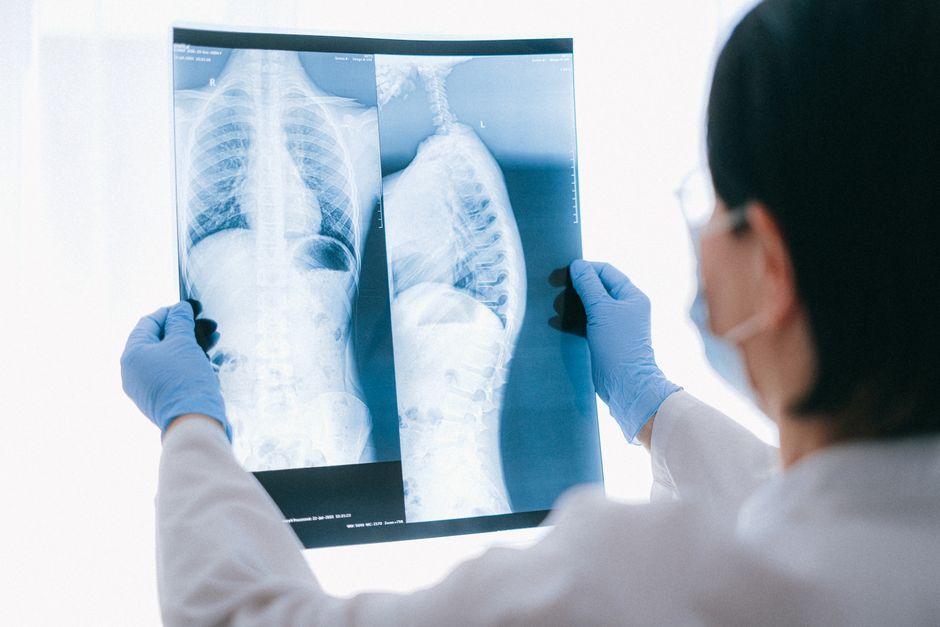
A chest X-ray or CT scan provides images of lung structure. These can show tumors, fluid, scarring, or inflammation. But imaging alone cannot tell you how well your lungs are working. That is why doctors combine imaging with pulmonary function tests for a complete picture.
The table below summarizes the main lung function tests and what they measure:
| Test Name | What It Measures | What It Detects |
|---|---|---|
| Spirometry | Volume and speed of exhaled air | Obstructive and restrictive disease |
| Lung volume test | Total air capacity | Restrictive lung conditions |
| Diffusion capacity | Oxygen transfer efficiency | Alveolar damage, fibrosis |
| Pulse oximetry | Blood oxygen saturation | Hypoxemia, not lung function |
Getting baseline lung function tested, especially if you have risk factors like smoking history or occupational exposure, gives you a reference point. Repeat testing every few years can show whether function is declining faster than expected.
Frequently Asked Questions
What is the main function of the lungs?
The main function is gas exchange, bringing oxygen into the blood and removing carbon dioxide from it.
Can lungs repair themselves after damage?
Lung tissue does not regenerate after scarring, but inflammation can heal and quitting smoking stops further damage.
How do I know if my lungs are healthy?
Normal breathing at rest without coughing or wheezing and the ability to exercise without shortness of breath are good signs.
What is the best exercise for lung health?
Aerobic exercise like walking, cycling, or swimming that raises your heart rate and breathing for 30 minutes most days.
