
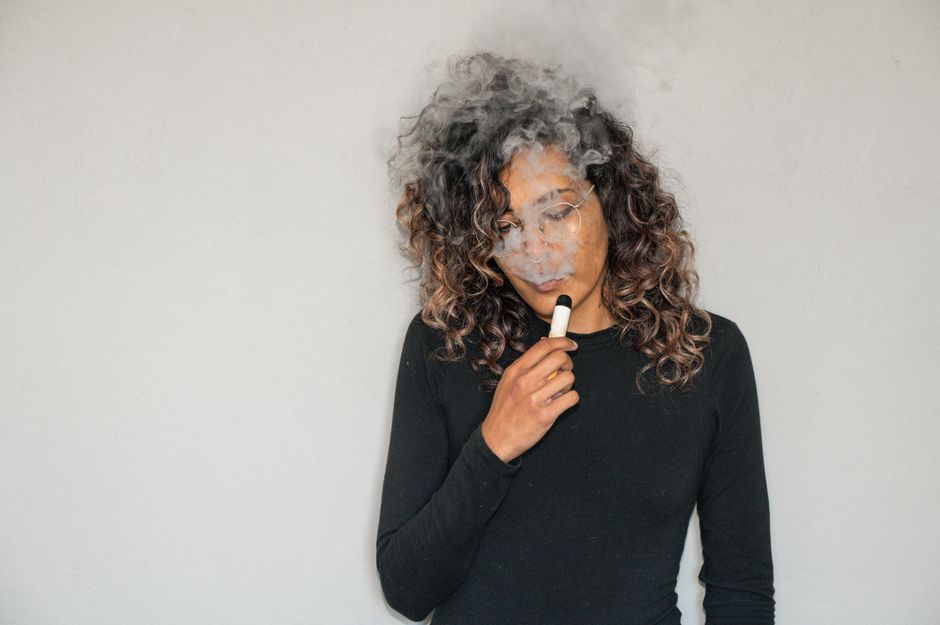
If you quit vaping, your lungs can begin to repair themselves. The body has a remarkable ability to heal, especially in the respiratory system. But some damage may be permanent, depending on how long you vaped and what substances you inhaled. The healing process is real, but it takes time and the outcome is not guaranteed for everyone.
How Does Vaping Affect Your Lungs?
Vaping delivers a heated aerosol into the lungs. This aerosol often contains nicotine, flavorings, and other chemicals. When you inhale it, these substances come into direct contact with the delicate tissues lining your airways and air sacs.
The immediate effects include irritation, inflammation, and reduced function of the tiny hair-like structures called cilia. Cilia normally sweep mucus and debris out of the lungs. When they are paralyzed or damaged by vaping, mucus and germs can build up. This raises the risk of infections like bronchitis and pneumonia.
Over time, repeated exposure can cause more serious changes. Some chemicals in vaping liquids have been linked to lung injury. Diacetyl, a butter flavoring, is known to cause bronchiolitis obliterans—a scarring condition sometimes called “popcorn lung.” While many manufacturers removed diacetyl after public pressure, it is not always absent. Other compounds like formaldehyde and acrolein can form when the e-liquid is heated. These are known carcinogens and lung irritants.
The severity of damage depends on many factors: how long you vaped, how often, the device settings, the liquid ingredients, and your own health. Some people experience mild irritation that resolves quickly after quitting. Others may develop chronic inflammation or permanent scarring.
Can Your Lungs Heal From Vaping?
Yes, your lungs can heal from vaping, but the process has limits. The respiratory system has a strong regenerative capacity. After you stop vaping, inflammation gradually decreases. The cilia begin to function again within weeks to months. Mucus clearance improves. Lung tissue that was temporarily swollen or irritated can return to a healthier state.
However, damage that has already caused scarring or permanent structural changes—such as fibrosis or bronchiolitis obliterans—is not reversible. The lungs can compensate for some lost function by using healthy tissue more efficiently, but they cannot regrow destroyed alveoli or repair scarred airways completely.
The key variable is the extent of injury before quitting. A person who vaped lightly for a year may see near-complete recovery. Someone who vaped heavily for a decade with significant inflammation may retain some degree of reduced lung function.
Research on long-term vaping outcomes is still limited because the practice is relatively new. Early evidence from studies on former smokers suggests significant improvement in lung function after quitting, but vapers are not the same as smokers. The chemicals differ. We cannot simply assume the same healing trajectory applies.
How Long Does It Take for Lungs to Heal After Vaping?
Healing begins within days of quitting. Within 24 to 48 hours, carbon monoxide levels drop (if you were also smoking or vaping nicotine-containing products). Within a few weeks, inflammation starts to decrease and cilia begin recovering. Many people report less coughing and better breathing after one to three months.
The full process may take months to years. Some studies of former smokers show that lung function continues to improve for up to a decade after quitting. For vapers, the timeline is less well documented, but similar principles likely apply. The body clears debris and repairs damaged cells gradually. The rate depends on your age, overall health, and the extent of damage.
It is important to be patient. Early improvements can be encouraging, but complete repair is not guaranteed. If you have persistent symptoms like wheezing, shortness of breath, or a chronic cough after several months of quitting, that may indicate lasting damage. A doctor can assess your lung function with tests like spirometry.




What Happens When You Stop Vaping?
The body goes through a withdrawal period if you were using nicotine. Nicotine is addictive, and stopping can cause irritability, anxiety, difficulty concentrating, and cravings. These symptoms typically peak within the first week and gradually fade over two to four weeks.
Physical changes in the lungs follow a separate timeline. Mucus production may temporarily increase as cilia start clearing debris. This can cause more coughing at first—a normal sign that the lungs are working to clean themselves. Over the weeks, the cough usually lessens. Breathing may feel easier as airway inflammation subsides.
Blood flow to the lungs improves. Immune cells that were suppressed by toxins become more active. The risk of respiratory infections decreases over time. For people who only vaped (and did not smoke), the long-term lung cancer risk is unknown but likely lower than with smoking, though still not zero.
Some people mistakenly believe that switching from smoking to vaping is a harmless alternative. While vaping exposes the lungs to fewer toxic chemicals than smoking, it is not safe. The best outcome for lung health is to stop inhaling any combusted or aerosolized substances.
Does the Damage Depend on What You Vape?
Yes, what you vape matters a great deal. The ingredients in e-liquids vary widely. Nicotine concentration, propylene glycol and vegetable glycerin ratios, and flavorings all affect the chemical profile of the aerosol. Heating also creates byproducts.
Flavorings are a major concern. Some, like diacetyl and acetyl propionyl, have been directly linked to lung disease. Others may cause irritation or allergic reactions. There is no standardized regulation of flavoring compounds in many regions, so the exact chemical mix in an e-liquid can be unpredictable.
Heating temperature also plays a role. Higher temperatures produce more formaldehyde and acetaldehyde, both of which are carcinogenic. Devices with variable wattage can reach very high temperatures if not used carefully.
Black market or homemade vape products pose additional risks. In 2019-2020, an outbreak of severe lung injury in the United States was traced to vitamin E acetate added to THC vaping cartridges. Vitamin E acetate is safe when ingested but toxic when inhaled into the lungs.
The safest approach is to avoid vaping entirely. If you must use nicotine replacement therapy, consider FDA-approved options like patches, gum, or lozenges, which do not involve inhaling anything into the lungs.
Can Exercise Help Your Lungs Heal?
Regular physical activity supports lung health, but it does not directly repair damaged tissue. Exercise improves cardiovascular fitness, strengthens respiratory muscles, and enhances the efficiency of oxygen exchange. It also helps clear mucus and reduces inflammation.
After quitting vaping, moderate aerobic exercise can speed up your recovery of lung function. Activities like walking, cycling, swimming, or jogging increase breathing rate and encourage deeper breaths. This can help mobilize secretions and improve circulation to lung tissue.
However, if you have significant lung damage, high-intensity exercise may be difficult or unsafe. Listen to your body. If you experience chest pain, severe shortness of breath, or dizziness, stop and consult a doctor.
Exercise is a tool for supporting overall health, not a cure for lung injury. It works best combined with quitting vaping entirely, avoiding secondhand exposure, and maintaining good nutrition and hydration.
When Should You See a Doctor?
If you have quit vaping but continue to have respiratory symptoms, see a doctor. Persistent cough, wheezing, chest tightness, shortness of breath with minimal activity, or recurrent infections are signs that the lungs may not be healing as expected.
A doctor can perform lung function tests to measure how well your lungs are working. Imaging studies like chest X-rays or CT scans may detect scarring or other structural changes. They can also rule out other conditions such as asthma, COPD, or infections.
For young people or first-time vapers, symptoms that do not resolve after a few months warrant evaluation. Early intervention can help prevent progression of damage. There are medications and therapies that can manage symptoms and improve quality of life, even if the underlying damage is not reversible.
Do not assume that symptoms are just part of the quitting process. If something feels wrong, get it checked.
The Bottom Line on Lung Healing
Lungs can heal from vaping, but the degree of recovery varies. Healing begins quickly after quitting, with most people noticing improvements within weeks to months. However, some damage—especially scarring—can be permanent. The earlier you quit, the better your chances of near-complete recovery.
The best evidence we have comes from former smokers, not vapers. Quitting smoking leads to improved lung function and reduced risk of lung cancer over many years. For vapers, early data suggests similar patterns, but we need more time to study long-term outcomes.
If you vape, the single most important step for your lungs is to stop. Your body will do the rest. And if you have concerns about lingering symptoms, a doctor can help you understand what is happening and what to expect.
Frequently Asked Questions
Can lungs fully recover from vaping?
In many cases, lungs can recover significantly, but full recovery depends on the extent of damage. Scarred tissue does not regenerate, but healthy areas can compensate over time.
How long should I wait to see improvement after quitting?
Most people notice less coughing and easier breathing within one to three months. Cilia function improves after a few weeks, and inflammation continues to decrease for up to a year.
Is it safe to vape if I have asthma?
No. Vaping can trigger asthma attacks and worsen airway inflammation. It is not recommended for anyone with respiratory conditions.
Does nicotine alone harm lungs?
Nicotine is not the primary lung irritant in vaping, but it can contribute to inflammation and impair immune function. The mixture of chemicals in the aerosol is more concerning than nicotine alone.
