
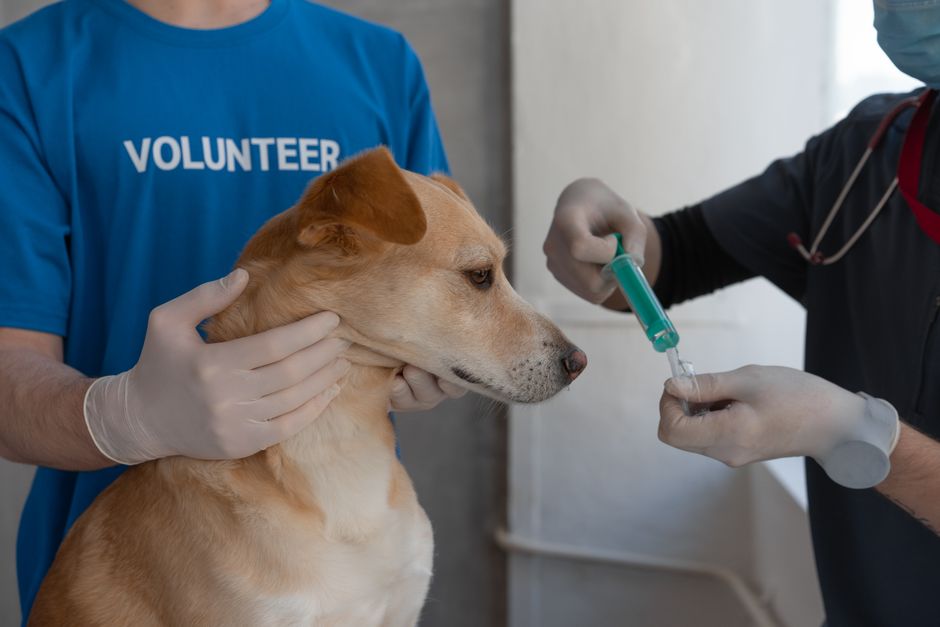
If you have been bitten or scratched by a wild animal or an unfamiliar domestic animal, rabies is a serious concern. Early signs include fever, headache, and a tingling or burning feeling at the wound site. As the disease progresses, symptoms like confusion, agitation, hallucinations, and fear of water develop. If you suspect rabies, wash the wound immediately with soap and water for 15 minutes and seek medical care right away for post-exposure prophylaxis. Rabies is almost always fatal once symptoms appear, so do not wait.
What Is Rabies and How Do You Get It?
Rabies is a viral infection that attacks the central nervous system. The virus spreads through the saliva of an infected animal, usually via a bite. Less commonly, a scratch or contact with saliva on broken skin or mucous membranes can transmit it.
In the United States, most rabies cases come from wild animals. Bats, raccoons, skunks, and foxes are the most common carriers. Domestic animals like dogs and cats can also have rabies if they are not vaccinated, but this is much rarer due to widespread pet vaccination programs.
The virus travels from the wound along nerve pathways to the brain. This journey can take weeks or months. The time between exposure and the start of symptoms is called the incubation period. It typically lasts 1 to 3 months but can be as short as a few days or longer than a year depending on the location of the bite and the amount of virus.
How To Know If You Have Rabies Signs What To Do?
Rabies symptoms appear in stages. The first stage is the prodromal phase. This includes fever, headache, fatigue, and often a tingling, itching, or burning sensation at the bite site. These signs are not specific to rabies, but if you have a recent animal bite, they should raise concern.
The second stage involves neurological symptoms. The person may become anxious, confused, or agitated. Hallucinations and insomnia can occur. Two classic signs are hydrophobia (fear of water) and aerophobia (fear of drafts of air). These happen because the virus irritates the parts of the brain that control swallowing and breathing. Attempts to drink can cause painful throat spasms.
As the disease worsens, paralysis sets in. Eventually the person slips into a coma. Death usually occurs from respiratory failure within days to weeks after symptoms start.
What to do: The moment you have a possible rabies exposure — a bite, scratch, or saliva contact with an open wound — wash the area thoroughly with soap and water for at least 15 minutes. Then go immediately to an emergency room or your doctor. Do not wait for symptoms. Once symptoms appear, treatment is no longer effective.
What Are the Early Signs of Rabies?
The earliest signs often feel like a mild flu. You might have a low-grade fever, headache, loss of appetite, or muscle aches. Many people also notice a strange sensation at the site of the old bite wound — tingling, pricking, or burning. This is called paresthesia and is a specific clue that the virus may be active in the nerves near the bite.
These early symptoms last 2 to 10 days. During this time, the virus is moving into the brain and spinal cord. The person may not seem very sick, but the infection is progressing. That is why any history of animal contact with symptoms should be taken very seriously.





How Is Rabies Diagnosed?
Diagnosing rabies after symptoms appear is based on the clinical signs and a known exposure. Doctors will ask about animal contact and look for the classic neurological symptoms like hydrophobia. Laboratory tests can confirm the virus. These include testing saliva, skin samples from the back of the neck, and spinal fluid. However, these tests are mainly done after death or in severe illness because there is no effective treatment once symptoms start.
Before symptoms appear, there is no routine test to tell if the virus entered the body. That is why post-exposure prophylaxis is given based on the risk of the exposure — not on a positive test result.
What Is Rabies Treatment?
There is no cure for rabies once symptoms appear. The only effective treatment is given before symptoms start. It is called post-exposure prophylaxis (PEP). PEP consists of three parts:
- Wound care: Immediate cleaning with soap and water reduces the amount of virus at the site.
- Rabies immune globulin (RIG): This injection provides immediate antibodies to fight the virus. It is given as soon as possible after exposure, ideally within 24 hours.
- Rabies vaccine: A series of four or five vaccine doses is given over 14 days to stimulate your own immune system to produce long-lasting protection.
PEP is nearly 100% effective when given quickly after exposure and before symptoms develop. If you wait until you feel sick, it is too late. Do not delay.
How Can You Prevent Rabies?
Prevention starts before any exposure. Keep your pets up to date on rabies vaccines. Avoid close contact with wild animals, especially bats. If you find a bat in your room, do not release it. Contact animal control or a health department for testing, because bat bites can be tiny and go unnoticed.
For people at high risk — such as veterinarians, animal handlers, and laboratory workers — a pre-exposure rabies vaccine is available. This does not eliminate the need for PEP after a bite, but it simplifies the treatment (fewer doses and no immune globulin).
If you travel to countries where dog rabies is common, take precautions. Avoid stray dogs and other animals. If you are bitten abroad, wash the wound and seek PEP immediately. Some countries may have limited access to rabies immune globulin, so check with a travel clinic before you go.
Frequently Asked Questions
Can rabies be cured once symptoms appear?
No. Once symptoms of rabies appear, the disease is almost always fatal. A handful of people have survived with intensive care, but this is extremely rare. That is why immediate treatment after exposure is critical.
How long after a bite do rabies symptoms start?
Symptoms usually appear 1 to 3 months after exposure, but the range can be as short as a few days or longer than a year. The incubation period depends on the location of the bite and the amount of virus.
Do I need a rabies shot after a dog bite?
Not every dog bite requires rabies treatment. If the dog is a healthy, vaccinated pet and can be observed for 10 days, treatment is usually not needed. If the dog is unvaccinated, stray, or showing signs of illness, you should seek immediate medical evaluation for rabies post-exposure prophylaxis.
Is rabies always fatal?
Yes, with extremely rare exceptions. Only a few cases of survival after symptom onset have been documented, often with severe neurological damage. Without post-exposure prophylaxis before symptoms start, rabies is nearly 100% fatal.
