
Mold spores are everywhere — in the air we breathe, on surfaces we touch, and even in most buildings. For most people, breathing in a few spores is harmless. But under the right conditions, mold can take hold in your lungs and cause real problems. The short answer is that you get mold in your lungs by inhaling airborne spores that are small enough to reach deep into your respiratory system. This usually happens in environments where mold is actively growing and releasing high concentrations of spores into the air. The risks depend heavily on your immune system, the type of mold, and how long you are exposed.
How Do You Actually Breathe Mold Into Your Lungs?
Mold reproduces by releasing tiny particles called spores into the air. These spores are microscopic — typically 1 to 30 microns wide. For comparison, a human hair is about 70 microns thick. When mold grows on damp walls, rotting wood, or wet carpet, it releases these spores into the surrounding air. If you are in that space, you inhale them.
Most spores get trapped in your nose or upper airway and are cleared out by mucus and tiny hair-like structures called cilia. But very small spores — especially from certain species like Aspergillus and Stachybotrys — can bypass these defenses and reach the alveoli, the tiny air sacs in your lungs. Once there, they can cause inflammation, infection, or allergic reactions.
Common sources of indoor mold include bathrooms with poor ventilation, basements with leaks, window frames with condensation, and HVAC systems that collect moisture. Outdoor sources include piles of wet leaves, compost bins, and damp soil. The key factor is the concentration of spores in the air you breathe over time. A single short exposure rarely causes lung problems. Repeated or continuous exposure is where the risk lives.
What Types of Mold Are Most Likely to Affect Your Lungs?
Not all mold is equally dangerous to your lungs. Most of the thousands of mold species are harmless to healthy people. But a few are well-documented causes of lung disease. The most studied and most common is Aspergillus. This mold is found everywhere — in soil, dust, and decaying plants. It is also the most frequent cause of mold-related lung infections.
Aspergillus can cause three main types of lung problems depending on your health. In people with asthma or cystic fibrosis, it can trigger an allergic reaction called allergic bronchopulmonary aspergillosis (ABPA). In people with damaged lungs from conditions like COPD or tuberculosis, it can form a fungus ball called an aspergilloma. In people with severely weakened immune systems — such as organ transplant patients or those on chemotherapy — it can cause invasive aspergillosis, a serious and often fatal infection.
Other molds linked to lung disease include Histoplasma, which grows in soil with bird or bat droppings and is common in the Ohio and Mississippi River valleys. Coccidioides is found in dry desert soils of the southwestern U.S. and causes valley fever. Blastomyces lives in moist soil and decaying wood in the Midwest and Great Lakes region. These are not typical indoor molds but can cause serious lung infections when their spores are inhaled from disturbed soil.
Who Is Most at Risk for Mold in the Lungs?
Risk is not equal. Your immune system is the main gatekeeper. People with healthy immune systems rarely develop mold infections in their lungs. The body clears spores efficiently. But certain conditions change that.
People with asthma or allergies are more likely to develop mold-triggered inflammation and allergic reactions in the lungs. Those with chronic lung diseases like COPD, cystic fibrosis, or sarcoidosis have lungs that are already damaged, making it easier for mold to colonize. People on medications that suppress the immune system — including corticosteroids for autoimmune diseases, chemotherapy drugs, and anti-rejection drugs after an organ transplant — are at the highest risk for invasive mold infections.
The CDC reports that invasive aspergillosis occurs in about 1 in 10,000 people overall but is much more common in bone marrow transplant recipients, where rates can reach 5 to 10 percent. Other risk factors include neutropenia (low white blood cell count), prolonged hospitalization, and HIV/AIDS with low CD4 counts. Age also matters — very young children and older adults have less robust immune responses.
It is worth noting that simply living in a home with visible mold does not mean you will get a lung infection. Most people in moldy homes develop allergy symptoms like sneezing, runny nose, and eye irritation. Actual lung infections are rare and almost always require a pre-existing vulnerability.




What Are the Symptoms of Mold in the Lungs?
Symptoms depend on the type of mold and the person’s immune response. For allergic reactions, symptoms include wheezing, coughing, shortness of breath, and a feeling of chest tightness. These look a lot like asthma attacks. Fever and night sweats can occur with more serious infections.
For people with ABPA, symptoms include coughing up brownish mucus, worsening asthma, and weight loss. An aspergilloma — the fungus ball — often causes coughing up blood, which can be alarming. Invasive aspergillosis starts with fever, chest pain, and cough and can quickly spread to other organs if untreated.
One common misconception is that black mold (Stachybotrys chartarum) causes unique or severe lung symptoms that other molds do not. Research published in the journal Clinical Microbiology Reviews found that while Stachybotrys produces toxins in lab settings, there is no strong evidence that inhaled spores cause unique lung disease beyond the allergic and inflammatory effects seen with other molds. The CDC states that black mold is not linked to lung infections in healthy people. The “toxic mold syndrome” you see on social media is not supported by clinical evidence.
If you have persistent respiratory symptoms that do not improve with standard treatments, and you know you have been in a moldy environment, it is reasonable to mention this to your doctor. But diagnosing mold in the lungs requires specific tests — not just a feeling or a home mold test kit.
How Is Mold in the Lungs Diagnosed and Treated?
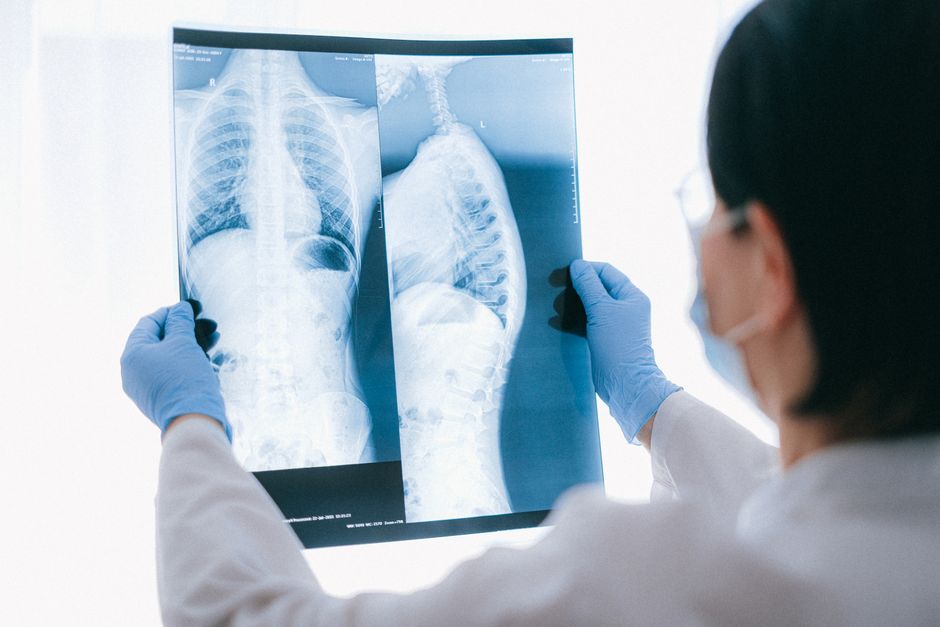
Diagnosis is not straightforward. There is no simple blood test that says “you have mold in your lungs.” Doctors use a combination of tools. A chest X-ray or CT scan can show nodules, cavities, or fungus balls. Blood tests can detect antibodies to specific molds. A sputum culture can grow mold from your mucus. In some cases, a bronchoscopy — a thin tube inserted into the lungs — is needed to take a sample directly.
The key point is that these tests are only ordered when a doctor suspects mold-related lung disease based on your symptoms and risk factors. If you are healthy and just want to “check for mold,” no doctor will order these tests because they are invasive, expensive, and likely to show false positives from harmless environmental exposure.
Treatment varies by condition. For allergic reactions, the main treatment is avoiding mold exposure and using inhaled corticosteroids or oral antihistamines. For ABPA, oral steroids and antifungal medications like itraconazole are standard. For aspergilloma, treatment may include surgery to remove the fungus ball if it causes bleeding. For invasive aspergillosis, intravenous antifungal drugs like voriconazole are used aggressively.
One important thing to understand: antifungal medications are not mild drugs. They have significant side effects including liver damage, vision changes, and drug interactions. They are only prescribed when there is clear evidence of a mold infection, not for vague symptoms or because a home mold test was positive.
Can You Prevent Mold From Reaching Your Lungs?
Prevention is about controlling your environment and knowing your personal risk. The most effective step is to reduce moisture in your home. Fix leaks immediately. Use exhaust fans in bathrooms and kitchens. Keep indoor humidity below 50 percent using a dehumidifier if needed. Clean visible mold with detergent and water — bleach is not necessary and can create harmful fumes.
If you are at high risk — meaning you have a weakened immune system, chronic lung disease, or are on immunosuppressive drugs — you need to be more careful. Avoid areas with known mold growth. Wear an N95 respirator mask when cleaning moldy spaces or doing yard work that disturbs soil or compost. Some high-risk patients are prescribed antifungal medication as a preventive measure, but this is rare and only in specific medical situations.
For most people, the best prevention is common sense. Do not live in a moldy house. Fix water problems quickly. If you have persistent allergy symptoms during certain seasons or in certain rooms, consider whether mold might be the cause. But do not panic about every spore you breathe — your lungs are designed to handle them.
What Does the Evidence Actually Say About Mold and Lung Health?
| Claim | What the Evidence Shows |
|---|---|
| Mold causes lung infections in healthy people | False. Healthy immune systems clear spores effectively. Infections require pre-existing vulnerability. |
| Black mold is uniquely dangerous | Weak. No strong evidence links Stachybotrys to unique lung disease beyond what other molds cause. |
| Home mold test kits diagnose lung problems | False. They measure environmental spore levels, not what is in your lungs. Not clinically useful. |
| Antifungals are safe for preventive use | False. They have significant side effects and are only prescribed for confirmed infections. |
| Mold exposure causes permanent lung damage | Rarely. Most mold-related lung issues resolve with treatment and avoiding exposure. Permanent damage is uncommon except in invasive infections. |
Frequently Asked Questions
Can mold in the lungs go away on its own?
In healthy people, the immune system usually clears inhaled mold spores without any treatment. In people with weakened immune systems or chronic lung disease, mold infections often require medical treatment to resolve.
How long does it take for mold exposure to affect your lungs?
Allergic reactions can happen within hours of exposure. Lung infections from mold usually develop over weeks to months of repeated or continuous exposure. Acute severe infections in immunocompromised people can progress in days.
Is mold in the lungs contagious?
No. Mold infections in the lungs cannot spread from person to person. The spores come from environmental sources, not from other people. You cannot catch a mold lung infection from someone who has one.
What should I do if I think I have mold in my lungs?
See a doctor — ideally a pulmonologist — if you have persistent cough, wheezing, chest pain, or coughing up blood, especially if you have a known immune problem or live in a moldy environment. Do not rely on home mold test kits or online symptom checkers.
