
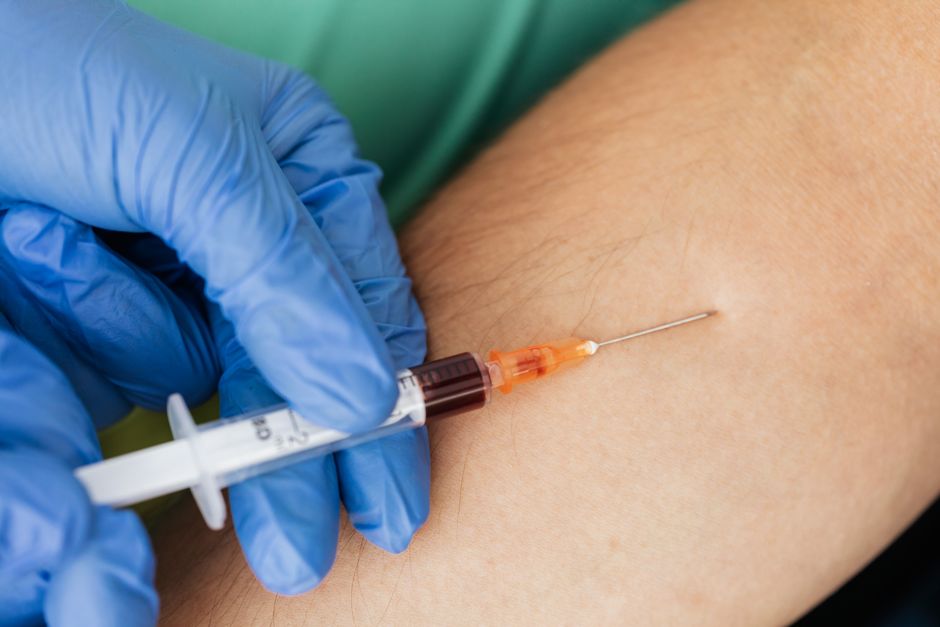
A full blood picture test — often called a full blood count or FBC — is a common blood test that measures the cells in your blood. It looks at red blood cells, white blood cells, and platelets to check your overall health and find conditions like anemia, infection, or blood disorders. Doctors order this test during routine checkups or when you have symptoms like fatigue, bruising easily, or frequent infections.
What Exactly Does a Full Blood Picture Test Measure?
The test gives a detailed breakdown of your blood cell populations. A machine counts and sizes each type of cell in a small sample of your blood, usually drawn from a vein in your arm.
Here is what the test specifically measures:
- Red blood cell count — how many red blood cells you have. These carry oxygen to your tissues.
- Hemoglobin — the protein inside red blood cells that holds oxygen. Low levels mean anemia.
- Hematocrit — the percentage of your blood made up of red blood cells. This is another anemia marker.
- White blood cell count — your immune cells. High numbers can mean infection or inflammation. Low numbers can mean bone marrow issues.
- Platelet count — the cells that help your blood clot. Too few raises bleeding risk. Too many raises clot risk.
The test also reports cell size and shape. For example, mean corpuscular volume (MCV) tells you the average size of your red blood cells. This helps doctors tell apart different types of anemia.
What Does Research on Full Blood Picture Tests Show?
Research published in the British Journal of Haematology shows that the full blood count is one of the most ordered tests in medicine. It catches problems early in many people who have no symptoms. The test is reliable when done in a certified lab, with results coming back within a few hours to a day.
Studies have found that the test picks up anemia in about 5 percent of older adults who feel fine. It also finds hidden infections and early signs of blood cancers like leukemia. However, the test alone cannot diagnose cancer. It flags abnormal numbers that need further testing.
Some people worry the test is overused. A 2019 review in JAMA Internal Medicine found that about 20 percent of full blood counts ordered in hospitals were not clearly needed. But for routine checkups, the test gives a useful baseline. Your doctor compares future results to this baseline to spot changes.
What Are Normal Ranges for a Full Blood Picture Test?
Normal ranges differ slightly between labs because each lab uses its own equipment and population reference. But general reference ranges from the American Society of Hematology are widely used.
| Component | Normal Range (Adults) |
|---|---|
| Red blood cell count | 4.5–5.5 million cells/mcL (men), 4.0–5.0 million cells/mcL (women) |
| Hemoglobin | 13.5–17.5 g/dL (men), 12.0–15.5 g/dL (women) |
| Hematocrit | 38.8–50.0% (men), 34.9–44.5% (women) |
| White blood cell count | 4,500–11,000 cells/mcL |
| Platelet count | 150,000–450,000 platelets/mcL |
Ranges shift with age. Children and older adults have slightly different normal values. Pregnancy also changes numbers — for example, hemoglobin drops because blood volume expands. Your doctor interprets your results based on your age, sex, and health status.
Do not compare your numbers to an online chart alone. A single number outside range does not mean disease. Many healthy people have one or two slightly low or high values with no problem.




What Causes Abnormal Results on a Full Blood Picture Test?
Many things cause abnormal results. The most common are straightforward and treatable.
Low red blood cells or hemoglobin usually mean iron deficiency anemia. This happens from heavy periods, poor diet, or hidden bleeding in the gut. Vitamin B12 or folate deficiency also cause anemia. High red blood cells can mean lung disease, heart disease, or living at high altitude. Rarely, it signals a bone marrow disorder called polycythemia vera.
High white blood cells often mean your body is fighting an infection. Bacterial infections push counts higher than viral ones. Inflammation from arthritis or autoimmune disease also raises them. Very high numbers can suggest leukemia, but this is rare. Low white blood cells happen with viral infections, autoimmune conditions, or bone marrow damage from chemotherapy.
Low platelets happen with immune disorders, certain medications, or heavy alcohol use. High platelets occur after surgery, with iron deficiency, or as a reaction to inflammation. Extremely high or low numbers need follow-up.
How Should You Prepare for a Full Blood Picture Test?
Most full blood picture tests do not require fasting. You can eat and drink normally before the test. Some doctors prefer you avoid fatty foods for a few hours before, but this is not standard.
Tell your doctor about all medications and supplements you take. Blood thinners like warfarin or aspirin affect platelet function. Some vitamins like iron or B12 change red blood cell numbers. Your doctor needs this information to interpret results correctly.
The test itself takes less than five minutes. A technician ties a band around your arm, cleans the skin, and inserts a small needle into a vein. You might feel a quick pinch. Blood flows into a small tube. That is it. You can go back to normal activities right after.
Some people feel lightheaded during or after blood draws. If you have fainted before, tell the technician. They can have you lie down during the draw. Drink water beforehand and eat a light meal to prevent dizziness.
Common Misconceptions About Full Blood Picture Tests
One myth is that a normal full blood count means you are perfectly healthy. That is not true. The test only checks blood cells. It does not measure cholesterol, blood sugar, liver function, kidney function, or hormones. Many serious conditions have normal blood counts until late stages.
Another myth is that abnormal results always mean cancer. Most abnormal results come from infections, vitamin deficiencies, or medication side effects. Cancer is a rare cause. Your doctor will repeat the test or order more specific tests before raising that concern.
Some people believe that you can improve your blood count quickly with supplements. While iron or B12 supplements help if you are deficient, they do not boost normal counts. Taking extra iron when your levels are fine can cause stomach pain and constipation. Always get tested first.
What Happens After You Get Abnormal Results?
If your results are abnormal, your doctor will first repeat the test to rule out a lab error. Lab mistakes happen in about 1 to 2 percent of tests. If the second result matches the first, your doctor looks for the cause.
For low hemoglobin, your doctor checks your iron, B12, and folate levels. They may also check for hidden blood in your stool. For high white blood cells, they look for infection or inflammation. If no obvious cause appears, they might refer you to a hematologist — a blood specialist.
Further testing depends on what is abnormal. A peripheral blood smear looks at your blood cells under a microscope. A bone marrow biopsy checks the factory where blood cells are made. These tests are not common. Most abnormal results resolve with simple treatment like iron pills or antibiotics.
Frequently Asked Questions
How long does it take to get full blood picture results?
Results usually come back within a few hours to one day. Your doctor may discuss them at a follow-up visit or through a patient portal.
Can a full blood picture test detect cancer?
It can flag abnormal cell counts that suggest cancer, but it cannot diagnose cancer. Further tests like a bone marrow biopsy are needed for a diagnosis.
Do I need to fast before a full blood picture test?
No, fasting is not required for this test. You can eat and drink normally unless your doctor tells you otherwise for other tests done at the same time.
Is a full blood picture test painful?
You may feel a quick pinch when the needle goes in. The discomfort lasts a few seconds and most people have no pain afterward.
