
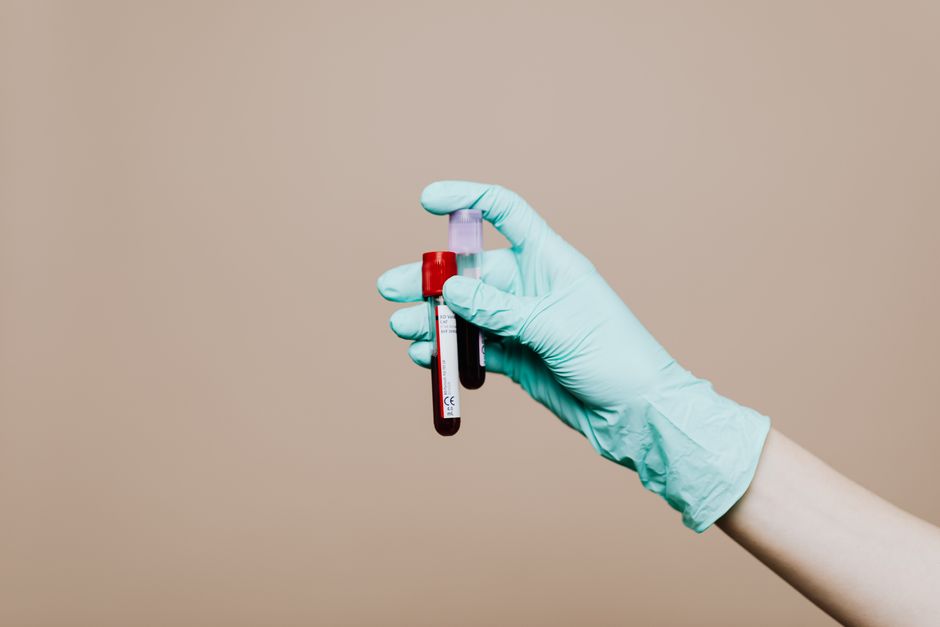
A “Glu” on your blood test results stands for glucose, which is the simple sugar your body uses for energy. The test measures the amount of glucose circulating in your blood at that specific moment. For a fasting blood glucose test, a normal range is generally between 70 and 100 mg/dL, though your lab may list slightly different numbers. Levels consistently above 100 mg/dL suggest your body is having trouble managing blood sugar, which is a key sign of prediabetes or diabetes.
What Is Glu In A Blood Test Ranges And What They Mean?
Glucose is your body’s main fuel source. It comes from the food you eat, especially carbohydrates. After you eat, your digestive system breaks down carbs into glucose, which enters your bloodstream. Your pancreas then releases insulin, a hormone that helps glucose move from your blood into your cells.
When doctors look at your Glu level, they are checking how well this system is working. A fasting glucose test—taken after at least 8 hours without food—gives a baseline reading. A non-fasting test, often called a random glucose test, gives a snapshot that is less standardized but still useful in certain situations.
Standard ranges from the American Diabetes Association are a good reference point. Fasting glucose under 100 mg/dL is normal. Between 100 and 125 mg/dL is considered prediabetes. A reading of 126 mg/dL or higher on two separate tests indicates diabetes. For a random test, a level over 200 mg/dL combined with symptoms like frequent urination or excessive thirst strongly suggests diabetes.
What Do Normal and Abnormal Glu Levels Look Like?
The numbers on your lab report are not just random figures. They tell a story about your metabolic health. A normal fasting glucose means your body is processing sugar efficiently. Your cells are getting the energy they need, and your insulin response is working as it should.
An abnormal reading can mean several things. A slightly elevated fasting glucose—between 100 and 125 mg/dL—is a warning sign. Research published in the Journal of the American Medical Association has shown that people in this prediabetic range have a significantly higher risk of developing type 2 diabetes within five to ten years if they do not make lifestyle changes.
A high random glucose, especially above 200 mg/dL, is more serious. It means your body cannot move glucose into cells fast enough, so it builds up in the blood. This can happen with type 1 diabetes, type 2 diabetes, or even severe stress or infection. Low glucose, called hypoglycemia, is under 70 mg/dL and can cause shakiness, confusion, and fainting.
How Is Glu Different From HbA1c and Other Blood Sugar Tests?
Many people get confused between Glu and HbA1c. They measure different things. Glu is a snapshot of your blood sugar right now. HbA1c, or hemoglobin A1c, is a three-month average of your blood sugar levels. It measures how much glucose has attached to your red blood cells over their lifespan.
Doctors use both tests for different reasons. Glu is good for immediate diagnosis and daily management. HbA1c is better for seeing the big picture. The CDC states that an HbA1c of 5.7% or below is normal, 5.7% to 6.4% indicates prediabetes, and 6.5% or higher means diabetes.
Another test is the oral glucose tolerance test, where you drink a sugary liquid and your blood is tested at intervals. This is often used during pregnancy to screen for gestational diabetes. Each test has its place, and your doctor will choose based on your specific situation.
| Test Type | What It Measures | Normal Range | Prediabetes Range | Diabetes Range |
|---|---|---|---|---|
| Fasting Glucose (Glu) | Blood sugar after 8+ hours without food | Below 100 mg/dL | 100-125 mg/dL | 126 mg/dL or higher |
| HbA1c | Average blood sugar over 2-3 months | Below 5.7% | 5.7% – 6.4% | 6.5% or higher |
| Random Glucose | Blood sugar at any time | Below 140 mg/dL | 140-199 mg/dL | 200 mg/dL or higher with symptoms |




What Factors Can Throw Off Your Glu Reading?
Your Glu level is not always a perfect reflection of your long-term health. Several things can cause a temporary spike or drop. Stress is a big one. When you are under pressure, your body releases hormones like cortisol and adrenaline, which signal your liver to release stored glucose. This can raise your blood sugar even if you have not eaten.
Illness or infection also affects glucose. Your immune system works hard during sickness, and that effort requires energy. Your body may release extra glucose to fuel the fight. A simple cold or urinary tract infection can push your numbers higher than normal.
Medications matter too. Steroids like prednisone are well known for raising blood sugar. Some blood pressure medications, diuretics, and even certain antidepressants can have an effect. If you are on any prescription drugs, check with your doctor about how they might influence your glucose test results.
What you ate the night before can also matter. A heavy, high-carb dinner can keep your fasting glucose elevated the next morning. Even a late-night snack can interfere. For the most accurate fasting result, stick to water only for at least 8 hours before the test.
What Can You Do If Your Glu Is High?
If your test shows a high fasting glucose, do not panic. One elevated reading does not mean you have diabetes. Your doctor will likely want to repeat the test to confirm. In the meantime, there are evidence-backed steps you can take.
Diet is the most powerful tool. Research from the American Journal of Clinical Nutrition shows that reducing refined carbohydrates—white bread, sugary drinks, pastries—can lower fasting glucose significantly within weeks. Focus on whole foods: vegetables, lean protein, healthy fats, and fiber-rich grains.
Physical activity is equally important. Exercise makes your muscles more sensitive to insulin, meaning they pull glucose from your blood more effectively. A 2020 study in Diabetes Care found that just 30 minutes of moderate activity five days a week reduced fasting glucose by an average of 8 mg/dL in prediabetic adults.
Weight loss also has a direct effect. Losing even 5 to 7 percent of your body weight—that is 10 to 14 pounds for a 200-pound person—can cut your risk of progressing from prediabetes to diabetes by more than 50 percent, according to the Diabetes Prevention Program study funded by the National Institutes of Health.
Common Misconceptions About Blood Glucose Tests
One widespread myth is that you can “feel” high blood sugar. Many people believe they would know if their glucose was elevated. The truth is that high blood sugar often has no symptoms until it reaches dangerous levels. Prediabetes is especially silent. The CDC estimates that more than 80 percent of people with prediabetes do not know they have it.
Another misconception is that only overweight people get high glucose. While excess body fat is a major risk factor, it is not the only one. Genetics play a large role. Some people of normal weight develop insulin resistance due to family history, hormonal conditions like polycystic ovary syndrome, or simply aging.
A third myth is that eating sugar directly causes high blood glucose in a predictable way. Your body is more complex than that. The type of carbohydrate, the fiber content, what else you eat with it, and your individual metabolism all influence how your blood sugar responds. A sugary soda will spike glucose quickly, but a piece of fruit with nuts will have a much gentler effect.
Some people also think they should avoid all carbohydrates if their glucose is high. That is not necessary or healthy. Your brain and muscles need glucose to function. The key is choosing the right carbs—whole grains, vegetables, legumes—and eating them in appropriate portions.
What About Low Glucose Levels?
Low blood sugar, or hypoglycemia, is less common in routine lab tests but can be serious. Fasting glucose below 70 mg/dL is considered low. This can happen if you are on diabetes medication and skip a meal, or if you have a rare condition like an insulin-producing tumor.
Symptoms of low glucose include shakiness, sweating, confusion, irritability, and hunger. In severe cases, it can lead to loss of consciousness. If you experience these symptoms and your glucose is low, eating or drinking something with fast-acting sugar—like fruit juice or glucose tablets—can raise it quickly.
For most healthy people without diabetes, occasional low glucose is not a major concern. Your body has backup systems, like releasing stored glucose from the liver, to keep levels stable. If you have repeated low readings without diabetes medication, your doctor may want to investigate further.
How Often Should You Check Your Glu?
For most healthy adults, a fasting glucose test once a year as part of a routine physical is enough. If you have risk factors—being over 45, having a family history of diabetes, being overweight, or having high blood pressure—your doctor may recommend more frequent testing.
People with prediabetes should be tested at least once a year to see if their condition is progressing. Those with diabetes may check their glucose multiple times a day using a home monitor. The frequency depends on your treatment plan and how well your blood sugar is controlled.
Home glucose monitors are widely available and easy to use. They give you immediate feedback. But they are not a substitute for lab tests. Home monitors can have small inaccuracies, and they do not measure HbA1c. Use them as a tool, not a final verdict.
Frequently Asked Questions
What does Glu mean on a blood test?
Glu is short for glucose, which is the sugar in your blood that your body uses for energy. The test measures how much glucose is present at the time of the blood draw.
What is a normal Glu level for a fasting test?
A normal fasting glucose level is between 70 and 100 mg/dL. Levels between 100 and 125 mg/dL indicate prediabetes, and 126 mg/dL or higher suggests diabetes.
Can stress affect my Glu blood test results?
Yes, stress raises hormones like cortisol that tell your liver to release glucose into your blood. This can cause a temporary high reading even if you are otherwise healthy.
Should I fast before a Glu blood test?
Yes, for a fasting glucose test you should not eat or drink anything except water for at least 8 hours. This gives your doctor an accurate baseline reading.
