
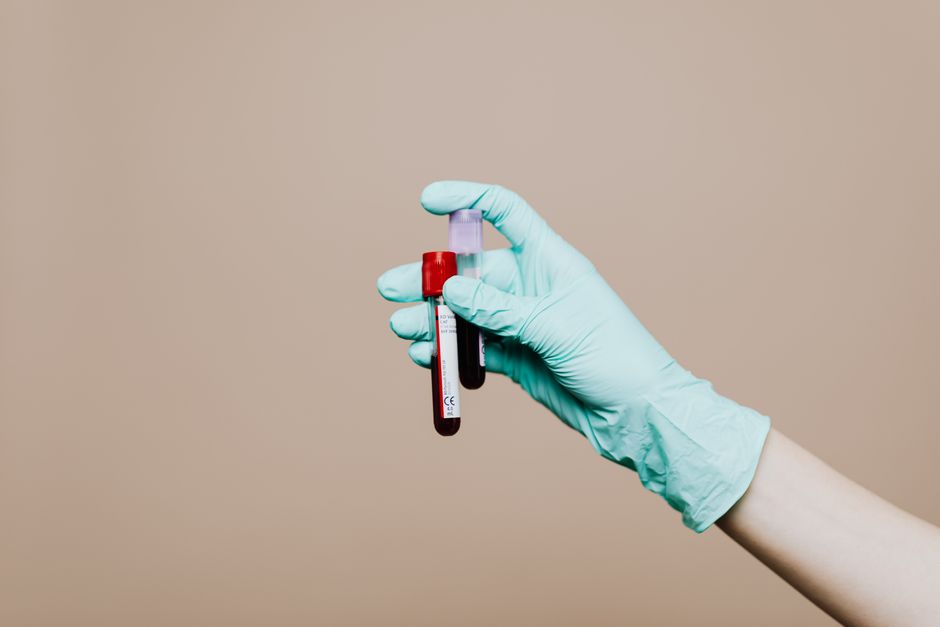
An SGOT blood test measures the level of aspartate aminotransferase, an enzyme found mainly in your liver and heart. When cells in these organs are damaged, SGOT leaks into your bloodstream, making this test a useful marker for detecting liver injury. Doctors often order it alongside other liver tests to get a clearer picture of what is happening inside your body.
What Is Sgot In Blood Test and Why Does It Matter?
SGOT stands for serum glutamic-oxaloacetic transaminase. Most labs now call it AST, which stands for aspartate aminotransferase. But many older medical records and patient portals still use the term SGOT. They are the exact same test.
This enzyme is found in high concentrations in your liver, heart, muscles, kidneys, and brain. When any of these tissues get damaged, the cells break open and release SGOT into your blood. A simple blood draw can measure how much is floating around. Higher numbers usually mean more damage has occurred somewhere in your body.
Doctors rarely look at SGOT alone. They almost always check it alongside ALT, another liver enzyme. The ratio between these two numbers helps them figure out whether the problem is in your liver specifically or somewhere else, like your muscles or heart.
What Do Normal SGOT Levels Actually Mean?
Most labs set the normal range for SGOT between 10 and 40 units per liter of blood. But normal ranges vary slightly depending on the lab and the equipment they use. Your results should always be compared against the reference range printed on your own lab report.
Being inside the normal range does not guarantee your liver is perfectly healthy. Some people with fatty liver disease or early hepatitis can still have normal enzyme levels. The test is a snapshot of cell damage happening right now, not a complete health check.
Being slightly above normal is also common and often harmless. Strenuous exercise, a muscle injury, or even drinking alcohol the night before can temporarily raise your SGOT. One mildly elevated result is rarely a reason to panic.
What Causes High SGOT Levels?
The most common cause of elevated SGOT is nonalcoholic fatty liver disease, which affects about 25 percent of adults in the United States according to the American Liver Foundation. This condition is closely tied to being overweight, having diabetes, or having high cholesterol.
Other common causes include:
- Hepatitis from a virus, alcohol, or medication
- Liver damage from acetaminophen overdose
- Alcoholic liver disease
- Cirrhosis or scarring of the liver
- Heart attack, which releases SGOT from damaged heart muscle
- Pancreatitis, or inflammation of the pancreas
- Muscle injury from trauma or intense exercise
- Certain medications like statins, antibiotics, or seizure drugs
Less common causes include Wilson disease, a genetic copper buildup in the liver, and hemochromatosis, an iron overload disorder. Autoimmune hepatitis, where your immune system attacks your liver, can also push SGOT levels up.





How Do Doctors Interpret SGOT and ALT Together?
This is where the test gets more useful. Doctors compare your SGOT value to your ALT value using something called the AST to ALT ratio. A normal ratio is around 1.0, meaning both numbers are roughly equal.
When the ratio goes above 2.0, it often points to alcoholic liver disease. Research published in the journal Hepatology found that an AST to ALT ratio greater than 2 strongly suggests alcohol-related liver damage. When the ratio is below 1.0, viral hepatitis or nonalcoholic fatty liver disease is more likely.
There are exceptions to every rule. Some people with advanced cirrhosis from any cause will also have a high ratio because their liver can no longer produce enough ALT. The ratio is a clue, not a diagnosis.
| Condition | Typical SGOT Level | Typical ALT Level | AST to ALT Ratio |
|---|---|---|---|
| Nonalcoholic fatty liver disease | Mildly elevated | Mildly elevated | Less than 1.0 |
| Alcoholic liver disease | Moderately elevated | Normal or mild | Greater than 2.0 |
| Acute viral hepatitis | Very high | Very high | Less than 1.0 |
| Cirrhosis | Mild to moderate | Normal or low | Often above 1.0 |
| Heart attack | High | Normal | Not applicable |
What Happens If Your SGOT Is High?
One elevated result does not mean you have liver disease. Doctors will usually repeat the test in a few weeks to see if the number stays high. Many things can cause a temporary spike that resolves on its own.
If the level stays elevated, your doctor will start looking for the cause. They may ask about your alcohol use, medications, supplements, and any recent illnesses. They might order additional blood tests for hepatitis B and C, iron levels, or autoimmune markers.
An ultrasound of your liver is a common next step. This imaging test can show fatty buildup, scarring, or other structural problems. In some cases, a liver biopsy may be needed, but this is less common with newer noninvasive tests available.
The treatment depends entirely on what is causing the elevation. For fatty liver, weight loss of 5 to 10 percent of your body weight can significantly lower enzyme levels according to research published in Gastroenterology. For medication-related causes, stopping the drug usually brings levels back to normal. For viral hepatitis, antiviral medications can clear the infection and reduce liver damage.
Common Misconceptions About SGOT Blood Tests
A high SGOT does not always mean liver damage. Many people assume any elevation is a sign of liver trouble. But muscle injuries, heart attacks, and even intense weightlifting can push SGOT up without the liver being involved at all. This is exactly why doctors check multiple enzymes together.
A normal SGOT does not mean your liver is healthy. This is the flip side that surprises most people. Early liver disease often shows no enzyme elevation at all. The Centers for Disease Control and Prevention estimates that about 1 in 5 people with fatty liver have normal liver enzymes. You cannot rely on a single blood test to rule out liver problems.
Herbal supplements claiming to lower SGOT are largely unproven. Milk thistle is widely promoted for liver health, but a 2024 review in the Journal of Clinical Gastroenterology found mixed evidence at best. Some studies show modest benefits, others show none. No supplement has been proven to reverse liver damage or reliably lower liver enzymes in humans.
Detox diets do not lower SGOT levels. There is no clinical evidence that juice cleanses, fasting, or liver detox kits reduce liver enzymes. The liver does not need detoxing. It already detoxes your blood every minute of every day. If your SGOT is high, the answer is finding and treating the root cause, not buying a cleanse.
What to Avoid Before an SGOT Blood Test
Heavy drinking the night before can temporarily raise your SGOT. If your doctor did not tell you to stop drinking beforehand, a single spike from alcohol could lead to unnecessary worry and repeat testing. It is best to avoid alcohol for at least 24 hours before your blood draw.
Intense exercise within 24 hours of the test can also elevate SGOT. Weightlifting, running, or any activity that strains your muscles can cause enzyme leakage. If you work out hard the day before your test, your results might look abnormal even though nothing is wrong with your liver.
Certain medications and supplements can affect your levels. Acetaminophen, ibuprofen, some antibiotics, and herbal supplements like kava and chaparral have all been linked to elevated liver enzymes. Tell your doctor about everything you take, including over-the-counter products and vitamins.
Eating before the test does not usually matter. Unlike blood sugar or cholesterol tests, SGOT is not significantly affected by food. Most labs do not require fasting for this test, but follow your doctor’s specific instructions since they may be checking other things at the same time.
Frequently Asked Questions
What is SGOT in blood test normal range?
Most labs consider 10 to 40 units per liter normal. Your lab report will list the specific range for that facility.
Can dehydration cause high SGOT levels?
Severe dehydration can mildly elevate liver enzymes, but it is not a common cause of significantly high SGOT levels.
Is SGOT the same as AST?
Yes, SGOT and AST are the same test. SGOT is the older name and AST is the newer standard term.
How long does it take for SGOT to return to normal?
It depends on the cause. After a mild injury, levels can normalize within days to weeks. Chronic conditions may require months of treatment.
