
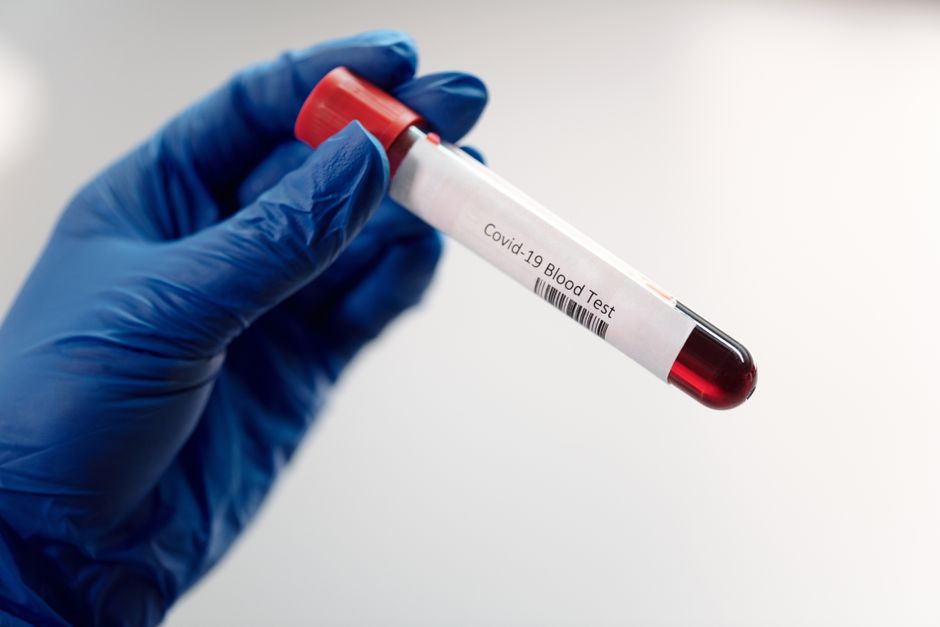
A blood test is one of the most common and powerful tools in modern medicine. It gives your doctor a direct look at what is happening inside your body without needing to cut you open. A single blood sample can reveal how your organs are functioning, whether you have an infection, and whether you have risk factors for chronic diseases like diabetes or heart disease. Blood tests detect a wide range of conditions, from anemia and high cholesterol to kidney disease, liver damage, and thyroid disorders. They are also used to monitor how well existing treatments are working and to check for signs of cancer or other serious illnesses.
What Do Basic Blood Tests Check For?
A standard blood test panel looks at several core components of your blood. The most common test is the complete blood count, or CBC. This measures the number of red blood cells, white blood cells, and platelets in your sample. It also checks hemoglobin levels, which is the protein in red blood cells that carries oxygen.
This test detects conditions like anemia, which happens when your red blood cell count is too low. It can also flag infections because your white blood cell count rises when your immune system is fighting something off. Platelet counts help doctors assess your blood clotting ability. A CBC is often the first test ordered because it provides a broad overview of your overall health.
A comprehensive metabolic panel, or CMP, is another standard test. This measures glucose levels, kidney function markers like creatinine and BUN, and liver enzymes like ALT and AST. It also checks your electrolyte balance, including sodium, potassium, and calcium. Abnormal results here can point to diabetes, dehydration, kidney disease, or liver problems.
How Does a Blood Test Detect Infection?
Blood tests detect infection in several ways. The most direct method is a blood culture, where a sample is placed in a special medium to see if bacteria or fungi grow. This test is used when a serious infection like sepsis is suspected. It takes a few days to get results because the organisms need time to multiply.
More commonly, doctors look at your white blood cell count. A high count suggests your body is fighting an infection. But this alone does not tell you whether the infection is bacterial or viral. For that, doctors may order specific antibody tests. These detect the presence of antibodies your immune system has produced against a particular pathogen.
Some tests detect the genetic material of a virus directly. The PCR test for COVID-19 is a well-known example. This type of test is highly sensitive and can detect very small amounts of the virus early in an infection. Other tests detect antigens, which are proteins on the surface of the virus or bacteria. Rapid tests for strep throat and influenza work this way.
What Does a Blood Test Detect About Organ Function?
Blood tests are essential for evaluating how well your organs are working. The liver produces several enzymes and proteins that can be measured in the blood. When liver cells are damaged, they leak these substances into your bloodstream. Elevated ALT and AST levels indicate liver inflammation or injury. This can result from fatty liver disease, hepatitis, or alcohol abuse.
Kidney function is assessed through creatinine and blood urea nitrogen levels. Creatinine is a waste product from muscle breakdown that your kidneys filter out. When kidney function declines, creatinine levels rise. The estimated glomerular filtration rate, or eGFR, is calculated from creatinine levels along with your age and sex. It gives a more precise picture of how well your kidneys are filtering waste.
The thyroid gland produces hormones that regulate your metabolism. A thyroid panel measures TSH, T3, and T4 levels. High TSH with low T4 indicates an underactive thyroid, or hypothyroidism. Low TSH with high T4 indicates an overactive thyroid, or hyperthyroidism. These conditions are common and easily treated once detected.



Can Blood Tests Detect Heart Disease and Diabetes?
Blood tests can detect risk factors for heart disease. A lipid panel measures total cholesterol, LDL cholesterol, HDL cholesterol, and triglycerides. High LDL levels are associated with plaque buildup in your arteries, which increases your risk of heart attack and stroke. HDL is considered protective because it helps remove cholesterol from your bloodstream.
High-sensitivity C-reactive protein, or hs-CRP, is a marker of inflammation. Some research indicates that elevated hs-CRP levels are associated with an increased risk of cardiovascular events. However, this test is not routinely recommended for everyone. Your doctor may order it if you have intermediate risk factors for heart disease.
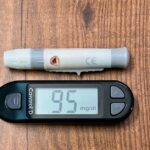
Diabetes is detected through blood glucose tests. A fasting blood sugar test measures your glucose after you have not eaten for at least eight hours. A normal fasting glucose is between 70 and 99 mg/dL. A fasting glucose of 126 mg/dL or higher on two separate tests indicates diabetes. The hemoglobin A1c test measures your average blood sugar over the past two to three months. An A1c of 6.5 percent or higher indicates diabetes.
What Does a Blood Test Detect That Other Tests Cannot?
Blood tests can detect conditions at a molecular level before physical symptoms appear. This is one of their greatest strengths. For example, tumor markers are proteins produced by cancer cells or by the body in response to cancer. Elevated levels of certain markers can indicate the presence of specific cancers. PSA is used to screen for prostate cancer. CA-125 is associated with ovarian cancer. However, tumor markers are not diagnostic on their own. They are used alongside imaging and biopsy for confirmation.
Blood tests also detect vitamin and mineral deficiencies. Vitamin D, vitamin B12, iron, and folate levels can all be measured directly. These deficiencies can cause fatigue, weakness, neurological problems, and anemia. Identifying and correcting them can dramatically improve quality of life.
Genetic testing on blood samples can identify inherited conditions. These include disorders like sickle cell disease, hemochromatosis, and certain types of hereditary cancer syndromes. This type of testing can guide preventive care and treatment decisions for both the patient and their family members.
How Accurate Are Blood Tests?
Blood tests are highly accurate when performed correctly and interpreted in context. However, no test is perfect. False positives and false negatives do occur. A false positive means the test indicates a problem when none exists. A false negative means the test misses a problem that is actually present.
Many factors can influence blood test results. Recent food intake, medications, stress, and even the time of day can affect certain measurements. This is why some tests require fasting beforehand. Your doctor will also consider your symptoms, medical history, and other test results before making a diagnosis. A single abnormal result is rarely enough to confirm a condition. Your doctor will typically repeat the test or order additional tests to confirm the finding.
What Happens After an Abnormal Blood Test Result?
An abnormal result does not automatically mean you have a disease. It means something is outside the expected range and needs further evaluation. Your doctor will review the result in the context of your overall health. They may order follow-up tests to confirm the finding or to get more detail.
For example, an elevated blood sugar level may prompt a second fasting test or an oral glucose tolerance test. A high PSA level may lead to a repeat test or a referral to a urologist. The next steps depend on the specific abnormality and your individual risk profile. Early detection through blood tests often allows for earlier intervention, which can improve outcomes for many conditions.
Frequently Asked Questions
How long does it take to get blood test results?
Most routine blood test results are available within 24 to 48 hours. Some specialized tests, such as genetic testing or blood cultures, can take several days to a week.
Do I need to fast before a blood test?
Some tests require fasting, usually for 8 to 12 hours before your blood is drawn. Your doctor will tell you whether fasting is necessary for the specific tests ordered.
Can a blood test detect cancer?
Blood tests can detect certain tumor markers associated with cancer, but they cannot diagnose cancer on their own. Imaging and biopsy are required for a confirmed diagnosis.
What can cause false positive blood test results?
Medications, recent food intake, stress, and laboratory errors can all cause false positive results. Your doctor will repeat the test or order additional tests to confirm any abnormal finding.
