
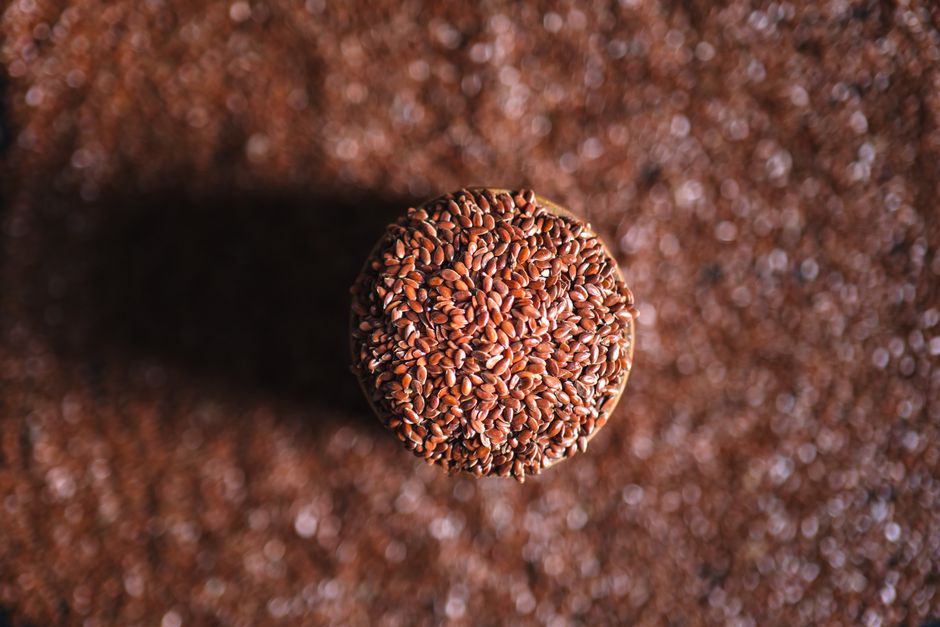
Flax seed is a small, brown or golden seed from the flax plant, and it is one of the oldest cultivated crops known to humans. People eat it for its rich supply of fiber, healthy fats, and plant compounds called lignans. For beginners, the most important thing to know is that flax seed is not a magic cure, but a genuinely nutritious food that can support digestion and heart health when used properly.
What Is Flax Seed and Where Does It Come From?
Flax seed comes from the flax plant, scientifically known as Linum usitatissimum. The plant has been grown for thousands of years, originally for its fibers to make linen. People later discovered the seeds themselves were edible and useful.
There are two main types of flax seed you will find in stores: brown flax and golden flax. They are nearly identical in nutrition. Golden flax has a slightly milder taste, but both offer the same benefits. The seeds are flat and oval, about the size of a sesame seed.
Flax seed is also called linseed in some parts of the world, especially when used for industrial purposes like paint or animal feed. But when you buy it for eating, it is almost always labeled flax seed. As of 2026, most flax seed sold in the United States comes from Canada, which is the world’s largest producer.
What Are the Health Benefits of Flax Seed?
Research shows that flax seed offers three main health benefits that are backed by solid evidence. First, it is an excellent source of dietary fiber, particularly the soluble kind that helps with digestion and blood sugar control. Second, it contains alpha-linolenic acid (ALA), a type of omega-3 fat that supports heart health. Third, flax seed has high levels of lignans, which are antioxidants that may help balance hormones.
Studies have found that eating about one to two tablespoons of ground flax seed daily can lower total cholesterol and LDL cholesterol. A 2015 review in the journal Nutrition & Metabolism looked at multiple studies and found consistent reductions in cholesterol levels among people who ate flax seed regularly. The effects are modest but real.
Some studies suggest that flax seed may help reduce blood pressure, especially in people with hypertension. The ALA content appears to play a role here. However, the effect is not as strong as medication. Think of it as a helpful addition, not a replacement.
There is also promising research on flax seed and breast cancer risk. The lignans in flax seed can bind to estrogen receptors and may reduce the growth of hormone-sensitive tumors. This is not proven enough to make medical claims, but current research suggests it is worth including in a balanced diet.
How Should You Eat Flax Seed for Best Results?
The most important rule for eating flax seed is simple: grind it before you eat it. Whole flax seeds pass through your digestive system largely undigested. Your body cannot break down the hard outer shell, so you get almost none of the nutrients inside. Ground flax seed, also called flax meal, releases all the fiber, fats, and lignans.
You can buy pre-ground flax seed or grind whole seeds at home using a coffee grinder or blender. Pre-ground is convenient but goes rancid faster because the oils are exposed to air. Store ground flax seed in the refrigerator or freezer to keep it fresh. Whole seeds can stay in a cool, dark cabinet for up to a year.
Here are simple ways to add ground flax seed to your day:
- Stir a tablespoon into oatmeal or yogurt
- Mix it into smoothies
- Add it to pancake or muffin batter
- Sprinkle it over salads or roasted vegetables
- Use it as an egg replacement in baking by mixing one tablespoon flax meal with three tablespoons water
Start with one teaspoon per day and work up to one or two tablespoons. Going too fast can cause bloating or gas because of the high fiber content. Drink plenty of water when you increase your fiber intake.





Does Flax Seed Oil Work the Same as Ground Flax?
Flax seed oil is different from ground flax seed in important ways. The oil contains concentrated ALA omega-3s but has no fiber and no lignans. If you are eating flax for the fiber or the antioxidant lignans, the oil will not help. If you only want the omega-3s, the oil is a reasonable option.
Some people report that flax seed oil goes rancid quickly. This is true. The oil is very sensitive to heat, light, and air. You should never cook with flax seed oil because high heat destroys the beneficial fats. Use it only in cold preparations like salad dressings or drizzle it over already cooked food.
Ground flax seed is generally the better choice for most people. It gives you the full package of nutrients. The oil is more processed and loses some of what makes flax seed special. If you do buy the oil, keep it in the refrigerator and use it within a few weeks of opening.
What Are the Side Effects and Risks of Flax Seed?
Flax seed is safe for most people when eaten in normal food amounts. The main side effect is digestive discomfort. Because it is high in fiber, eating too much too quickly can cause bloating, gas, or cramping. Start small and let your body adjust.
There is a widely repeated claim that flax seed contains cyanide. This is technically true but not dangerous. Flax seed has small amounts of compounds called cyanogenic glycosides, which can release cyanide in the body. However, the amount is so tiny that a normal human body easily detoxifies it. You would need to eat several cups of raw flax seed daily for a long time to see any harm. Cooking or grinding does not remove these compounds, but normal intake is safe.
There are a few groups who should be cautious. People with high blood pressure or diabetes who take medication should talk to a doctor before adding large amounts of flax seed. It can lower blood pressure and blood sugar, which could interact with medications. Pregnant and breastfeeding women should stick to food amounts and avoid flax seed supplements because the safety data is limited.
Flax seed can also slow blood clotting. If you have a bleeding disorder or are about to have surgery, stop eating flax seed two weeks before the procedure. The risk is low but real.
How Does Flax Seed Compare to Chia Seed and Hemp Seed?
Flax seed is often compared to chia seed and hemp seed because all three are small, nutrient-dense seeds. They are not the same. Here is a quick comparison based on a two-tablespoon serving of ground seeds:
| Nutrient | Flax Seed | Chia Seed | Hemp Seed |
|---|---|---|---|
| Calories | 75 | 70 | 110 |
| Fiber | 4 grams | 5 grams | 1 gram |
| Omega-3s (ALA) | 3.5 grams | 2.5 grams | 1 gram |
| Protein | 3 grams | 3 grams | 6 grams |
| Lignans | High | Low | None |
Flax seed wins on lignan content and omega-3s. Chia seed has slightly more fiber and forms a gel when mixed with liquid, which is useful for puddings. Hemp seed has more protein and a nutty taste but almost no fiber. All three are healthy, but they serve different purposes. If you want the highest omega-3s and lignans, choose flax. If you want more protein, choose hemp. If you want a gel-like texture for recipes, choose chia.
Common Misconceptions About Flax Seed
One big misconception is that flax seed works as a weight loss miracle. Some people report eating flax seed and losing weight, but strong evidence is limited. The fiber can help you feel full, which may reduce overall calorie intake. But flax seed is not a fat burner. It is a food, not a drug.
Another myth is that flax seed must be soaked before eating. Soaking is not necessary for ground flax. It can help if you have a sensitive stomach, but the body digests ground flax fine without soaking. Whole flax seeds, however, should be ground, not soaked, because soaking does not break the outer shell.
Some people believe that flax seed oil is better than ground flax because it is more concentrated. This is misleading. The oil lacks fiber and lignans, which are major reasons people eat flax in the first place. Ground flax is the whole food. The oil is a processed extract.
There is also a claim that flax seed can cure cancer. This is not supported by evidence. Some studies suggest a protective effect, but no study shows that eating flax seed treats existing cancer. Anyone who tells you otherwise is overstating the science.
Frequently Asked Questions
Can you eat raw flax seed?
Yes, you can eat raw flax seed, but you must grind it first. Whole raw seeds pass through undigested and offer no nutritional benefit.
How much flax seed should you eat per day?
Most studies use one to two tablespoons of ground flax seed daily. Start with one teaspoon and increase slowly to avoid digestive issues.
Does flax seed help with constipation?
Yes, the soluble fiber in ground flax seed helps soften stool and promotes regular bowel movements. Drink extra water to get the best effect.
Can flax seed go bad?
Yes, ground flax seed goes rancid quickly because of its omega-3 oils. Store it in the refrigerator or freezer and check for a sour smell before using.
