
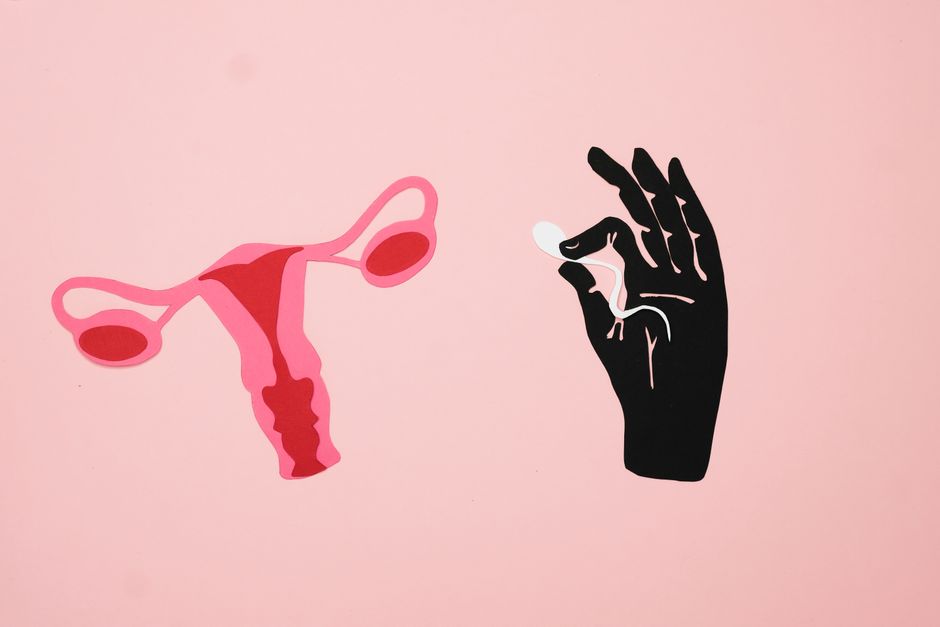
If you are trying to conceive, the days between ovulation and a positive pregnancy test can feel incredibly long. The direct answer is that you cannot know for certain if your egg has been fertilized until a pregnancy test detects the hormone hCG, which usually happens 10 to 14 days after ovulation. However, your body does send signals during this time, and understanding the difference between real signs and common myths can help you read what is happening without driving yourself crazy.
What Actually Happens Right After Fertilization
Fertilization happens in the fallopian tube, not in the uterus. A sperm meets the egg there, and the fertilized egg begins dividing as it travels toward the uterus. This journey takes about three to four days.
The fertilized egg does not implant in the uterine lining immediately. It floats and continues to divide until it reaches the blastocyst stage. Implantation typically happens between day 6 and day 10 after ovulation. This is the moment the embryo attaches to the uterine lining and begins producing the pregnancy hormone hCG.
Until implantation occurs, your body has no way of knowing a fertilized egg is present. The egg and the early embryo do not communicate with your brain or your hormones in any detectable way. This is why no physical symptom can tell you that fertilization happened before implantation.
Implantation Bleeding: Real Sign or Wishful Thinking
Implantation bleeding is one of the most discussed early pregnancy signs. Some women experience light spotting about 6 to 12 days after ovulation. This can happen when the embryo burrows into the blood-rich uterine lining.
But here is the honest part: implantation bleeding is not common, and it is not a reliable sign. Research suggests that only a small percentage of pregnant women experience it. The spotting is usually very light, pink or brown in color, and lasts only a day or two. It is much lighter than a normal period.
Many women who experience mid-cycle spotting are not pregnant. Ovulation spotting, hormonal fluctuations, and cervical irritation can all cause similar light bleeding. If you notice spotting, it does not confirm pregnancy. If the bleeding becomes heavy or painful, contact your doctor.
Early Pregnancy Symptoms Before a Missed Period
Once implantation happens, hCG levels begin to rise. This hormone is what causes most early pregnancy symptoms. But hCG takes time to build up in your system, and symptoms usually do not appear until after implantation has occurred.
Common early signs include:
- Tender or swollen breasts — caused by rising hormones, similar to PMS but often more intense
- Fatigue — progesterone levels rise sharply after ovulation and can cause significant tiredness
- Mild cramping — light twinges in the lower abdomen, different from period cramps for some women
- Frequent urination — increased blood flow to the pelvic area can cause this
- Nausea — usually starts after week 4 or 5, not before a missed period
Here is the critical point: every single one of these symptoms is also caused by progesterone, which rises after ovulation whether or not you are pregnant. PMS and early pregnancy share the same hormonal driver. This means symptoms alone cannot tell you if fertilization occurred.
Some women have zero symptoms before a missed period and are pregnant. Others have every classic symptom and are not. Symptom tracking is useful for understanding your cycle, but it is not a diagnostic tool.





Basal Body Temperature and the Two-Week Wait
Basal body temperature tracking is a legitimate fertility awareness method. After ovulation, progesterone causes your resting temperature to rise by about 0.5 to 1 degree Fahrenheit. This rise typically lasts until your next period begins.
If your temperature stays elevated for more than 18 days after ovulation, pregnancy is very likely. This is one of the few temperature patterns that has real clinical support. However, a temperature drop does not reliably mean you are not pregnant. Implantation can cause a temporary dip in temperature for some women, but not all, and the pattern is not consistent enough to rely on.
Temperature tracking tells you when you ovulated. It does not tell you if fertilization happened. A sustained temperature rise only confirms that progesterone is still being produced, which happens in early pregnancy because the corpus luteum continues to function.
When to Take a Pregnancy Test
Testing too early is the most common mistake. Home pregnancy tests detect hCG in urine, and hCG only becomes detectable after implantation. Testing before implantation will always give a negative result, even if you are pregnant.
For the most accurate result, wait until the first day of your missed period. This is typically about 14 days after ovulation. Some sensitive tests claim to detect pregnancy earlier, but early testing increases the chance of a false negative.
If you test early and get a negative result, it does not mean you are not pregnant. Your hCG levels may simply be too low to detect. Wait two to three days and test again. A negative test on the day of your missed period is highly reliable, but a negative test five days before your period means very little.
Blood tests done at a doctor’s office can detect hCG earlier than urine tests. A quantitative blood test can measure exact hCG levels and can often detect pregnancy as early as 8 to 10 days after ovulation. This is the most sensitive test available.
What a Chemical Pregnancy Means
A chemical pregnancy is an early miscarriage that happens shortly after implantation. The fertilized egg implants, hCG production begins, and a pregnancy test may show positive. But the embryo stops developing, and bleeding occurs around the time of your expected period.
Chemical pregnancies are more common than most people realize. Many women have a chemical pregnancy without ever knowing, mistaking it for a slightly late or heavier period. This is one reason why early testing can create confusion and heartbreak.
If you get a positive test and then start bleeding, contact your doctor. A chemical pregnancy does not require medical treatment in most cases, but your doctor can confirm that your hCG levels are returning to normal and rule out an ectopic pregnancy.
Signs That Warrant a Doctor’s Visit
Most early pregnancy signs do not require medical attention. But some symptoms should prompt a call to your doctor. Severe pain on one side of the abdomen, heavy bleeding, dizziness, or shoulder pain can be signs of an ectopic pregnancy, which is a medical emergency.
An ectopic pregnancy occurs when the fertilized egg implants outside the uterus, most commonly in the fallopian tube. This condition cannot continue normally and requires treatment. If you experience sharp pelvic pain or unusual bleeding during the two-week wait, do not wait to see if it passes. Contact a healthcare provider.
If you have been trying to conceive for over a year without success, or over six months if you are 35 or older, it is reasonable to speak with a fertility specialist. They can evaluate both partners and identify any issues that may be affecting fertility.
Frequently Asked Questions
Can you feel when the egg gets fertilized?
No, fertilization itself is completely undetectable. The egg and sperm meet in the fallopian tube, and this event produces no physical sensation.
How many days after fertilization does implantation occur?
Implantation typically happens 6 to 10 days after ovulation. The fertilized egg travels through the fallopian tube and divides for several days before attaching to the uterine lining.
Can a pregnancy test be positive before implantation?
No. The pregnancy hormone hCG is only produced after implantation begins. Testing before implantation will give a negative result regardless of whether fertilization occurred.
What is the earliest sign of pregnancy?
A missed period is the most reliable early sign. Symptoms like breast tenderness and fatigue can appear earlier, but they are also caused by normal progesterone levels and cannot confirm pregnancy.
