
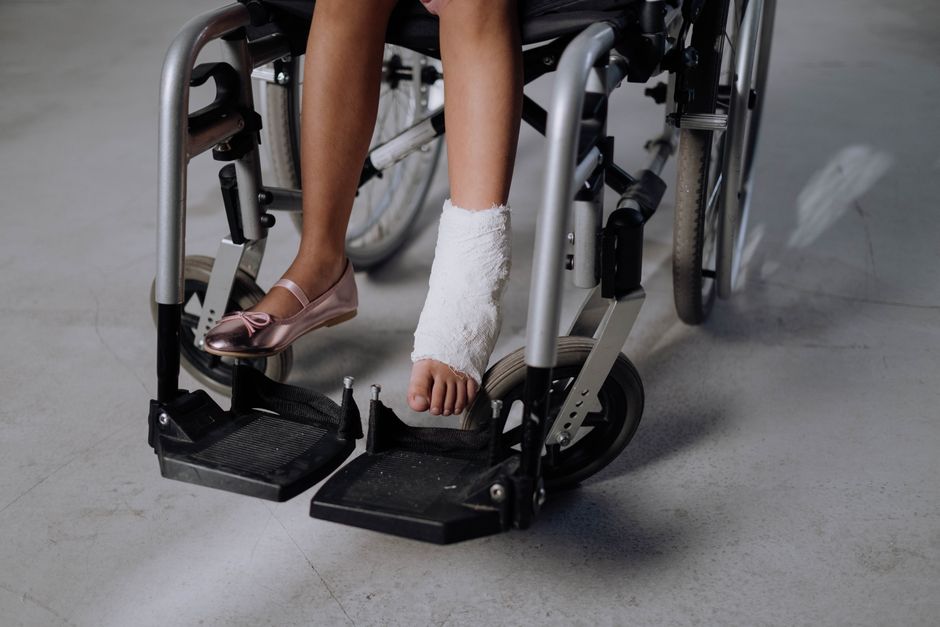
A broken fibula is one of the most common lower leg injuries, and the healing time depends heavily on where the break is and how bad it is. For most people with a simple, non-displaced fracture, you can expect the bone to be healed enough to walk on in about 6 to 8 weeks. Full recovery, including returning to sports or heavy activity, usually takes 3 to 6 months. But these are averages — your specific timeline depends on your age, your overall health, and whether you needed surgery.
What Is a Fibula Fracture and How Serious Is It?
The fibula is the thinner of the two bones in your lower leg, running alongside the shinbone (tibia). It carries only about 10 to 15 percent of your body weight, which is good news. Many fibula fractures heal well without surgery because the tibia does most of the heavy lifting.
But not all fibula breaks are the same. A small crack near the ankle is very different from a clean break in the middle of the bone. And a break that happens with a dislocated ankle — called a Maisonneuve fracture — is a completely different injury that often requires surgery.
Doctors classify fibula fractures by location and pattern. The most common types include:
- Avulsion fracture — a small piece of bone pulls off where a ligament attaches. Common in ankle sprains.
- Stress fracture — a hairline crack from overuse. Common in runners.
- Displaced fracture — the bone ends have shifted out of alignment. Usually requires surgery.
- Comminuted fracture — the bone breaks into three or more pieces. More severe and slower to heal.
- Open fracture — the bone breaks through the skin. This is a medical emergency.
Your healing time starts with knowing which type you have. A stress fracture in a 25-year-old runner might heal in 4 weeks. A comminuted fracture in a 60-year-old smoker could take 4 months or longer. The range is wide because the injury itself is wide.
How Long Does a Broken Fibula Take to Heal at Each Stage?
Healing happens in phases, and each phase has its own timeline. Understanding these stages helps you know what to expect and when to push or rest.
| Phase | Timeframe | What Happens |
|---|---|---|
| Inflammatory phase | First 1-2 weeks | Blood clots form, swelling peaks, immune cells clean up damaged tissue |
| Reparative phase | Weeks 2-6 | Soft callus (cartilage) forms around the break, then hardens into bony callus |
| Remodeling phase | Weeks 6 through months 6-12 | Bone reshapes itself to original form, regains strength |
Most people feel the biggest change between weeks 3 and 6. That is when the soft callus hardens enough that the bone feels stable. You might still have some pain with weight-bearing, but the sharp, acute pain usually fades.
The remodeling phase is the longest and most overlooked. Even after you can walk normally, your bone is still weak. Current research suggests that bone strength continues to improve for up to 12 months after a fracture. That is why returning to high-impact activity too soon often leads to re-injury.
Does the Location of the Break Change Healing Time?
Yes, significantly. A fibula break near the ankle heals differently than one near the knee.
Fibula head fracture (near the knee) — These are less common and often happen with knee dislocations or severe twists. They usually heal in 6 to 10 weeks. But they can damage the peroneal nerve, which controls foot lifting. If you cannot lift your toes after this injury, tell your doctor immediately.
Fibular shaft fracture (middle of the bone) — These are often from direct blows or falls. They tend to heal well in 6 to 8 weeks because the bone has good blood supply in this area. Surgery is rarely needed unless the bone is displaced.
Lateral malleolus fracture (ankle end) — This is the most common fibula break. It is part of the ankle joint and often comes with ligament damage. Healing takes 6 to 12 weeks depending on whether the ankle is stable. If the ankle joint is unstable, you will likely need surgery to hold the bone in place with a plate and screws.
The ankle fractures tend to take longer because the joint needs to be stable for walking. Even after the bone heals, the ligaments and tendons around the ankle may take another month or two to feel normal.




What Factors Actually Slow Down Healing?
Some things you can control. Some you cannot. Being honest about which category you fall into helps you set realistic expectations.
Factors that slow healing include:
- Smoking — This is the single biggest controllable factor. Nicotine constricts blood vessels, which starves the fracture of oxygen and nutrients. Smokers take 30 to 60 percent longer to heal, and they have higher rates of non-union (bone not knitting together).
- Diabetes — Poor blood sugar control impairs bone healing and increases infection risk, especially if surgery is involved.
- Age — Children heal fibula fractures in half the time adults do. People over 65 heal more slowly because bone density and blood flow decrease with age.
- Nutrition — Low vitamin D, calcium, or protein levels directly slow bone formation. Most people do not need supplements, but if your diet is poor, it matters.
- Severity of the break — More bone fragments, more displacement, and more soft tissue damage all add weeks to the timeline.
One thing that does not slow healing: being too careful. Gentle movement within your pain-free range actually helps. Complete immobilization for weeks on end can lead to stiffness and muscle wasting that extends your overall recovery time.
What Does Recovery Look Like Week by Week?
Every person is different, but most non-surgical fibula fractures follow a general pattern.
Weeks 1-2: You are in a cast or a walking boot. Keep weight off the leg. Ice and elevation are your main tools. Pain is highest in the first few days and then drops significantly. You should be able to wiggle your toes and move your knee gently.
Weeks 3-6: The cast may come off and you switch to a removable boot. Your doctor may let you start partial weight-bearing. Physical therapy often begins with gentle range-of-motion exercises. Swelling continues to decrease. Most people stop needing pain medication by week 4.
Weeks 6-10: You transition out of the boot into a regular shoe. Walking is still a bit stiff and you may have a limp. Physical therapy focuses on strength, balance, and gait retraining. You can usually return to desk work by now.
Weeks 10-16: Most daily activities feel normal. You can walk without pain, climb stairs, and carry light loads. High-impact activities like running or jumping are still risky. Continue strengthening and proprioception (balance) exercises.
Months 4-6: Bone is strong enough for most sports. Full strength in the ankle and calf muscles returns with consistent training. Some people have mild stiffness or swelling for up to a year.
If you had surgery, the timeline shifts by about 2 to 4 weeks. The bone itself heals at the same rate, but surgery adds recovery from the incision and the hardware placement.
How Do You Know If Healing Is Going Wrong?
Most fibula fractures heal without problems, but complications happen. Watch for these signs:
Non-union — The bone ends do not knit together. This shows up as persistent pain at the fracture site after 4 to 6 months. X-rays will show a gap where bone should be. Smoking and poor blood supply are the main causes.
Malunion — The bone heals but in the wrong position. This can change how your ankle or knee works and may lead to arthritis later. Surgery to re-break and reset the bone is sometimes needed.
Compartment syndrome — This is rare but serious. Swelling builds up pressure inside the leg muscle compartments, cutting off blood flow. Signs are severe pain that gets worse when you stretch your toes, numbness, and a feeling of tightness. If you have these symptoms, go to the emergency room immediately.
Infection — If you had surgery, watch for redness, warmth, pus, or a fever. Infections after fracture surgery are uncommon but require prompt antibiotic treatment.
Do not ignore pain that feels wrong. A dull ache during healing is normal. Sharp, stabbing pain at the fracture site weeks after the injury is not.
Frequently Asked Questions
Can you walk on a broken fibula without surgery?
Yes, if the fracture is non-displaced and the ankle joint is stable. Your doctor will likely have you use a walking boot and limit weight-bearing for the first few weeks.
How long do you have to wear a cast for a broken fibula?
Most people wear a cast or walking boot for 4 to 6 weeks. The exact time depends on how the fracture looks on follow-up X-rays.
Does a broken fibula hurt all the time?
No. The sharp pain usually fades after the first week. You may feel a dull ache with movement or weight-bearing for several weeks, but constant severe pain is not normal.
When can I drive after breaking my fibula?
If the break is on your left leg and you drive an automatic, you can usually drive within a few weeks. If it is on your right leg, wait until you can safely press the brake pedal, which is typically 6 to 8 weeks.
