
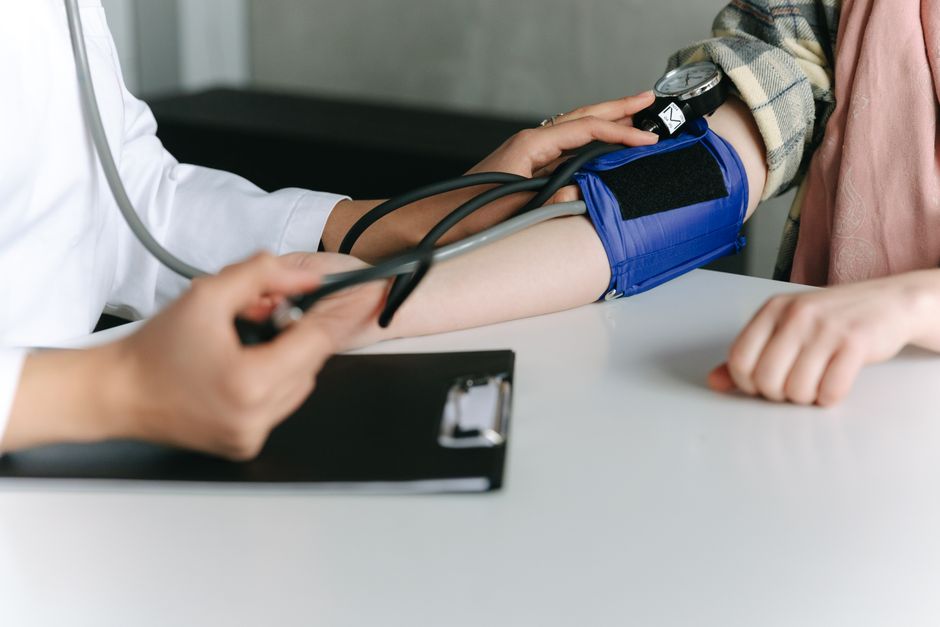
Blood pressure is the force of blood pushing against the walls of your arteries. When that force is too high, it strains your heart and blood vessels. The standard medical definition of high blood pressure, also called hypertension, is a reading of 130/80 mm Hg or higher.
Your blood pressure reading has two numbers. The top number, systolic, measures the pressure when your heart beats. The bottom number, diastolic, measures the pressure when your heart rests between beats. Both numbers matter, but they are not treated equally in every situation.
What Is Considered High Blood Pressure Key Numbers?
The key numbers come from the American College of Cardiology and the American Heart Association guidelines. These are the categories used by most doctors in the United States:
- Normal: Less than 120/80 mm Hg
- Elevated: Systolic 120-129 and diastolic less than 80
- High blood pressure stage 1: Systolic 130-139 or diastolic 80-89
- High blood pressure stage 2: Systolic 140 or higher or diastolic 90 or higher
- Hypertensive crisis: Systolic higher than 180 and/or diastolic higher than 120
A diagnosis of high blood pressure is not based on one single reading. Your doctor will usually confirm the diagnosis after multiple readings taken on different days. This helps rule out “white coat hypertension,” where blood pressure spikes in a medical setting due to anxiety.
How Do Doctors Measure Blood Pressure Accurately?
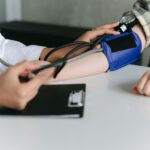
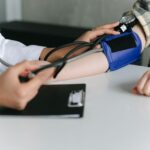
Blood pressure readings vary throughout the day. Physical activity, stress, caffeine, and even the time of day can change the numbers. For an accurate reading, you should sit quietly for five minutes before the measurement. Your feet should be flat on the floor, and your arm should be supported at heart level.
Doctors may also recommend home monitoring. Home readings can sometimes be more reliable than office readings because you are in a relaxed environment. If your doctor asks you to monitor at home, take two readings one minute apart in the morning and again in the evening. Record all readings in a log to share at your next appointment.
Not all blood pressure cuffs fit all arms. An ill-fitting cuff can produce falsely high readings. Your doctor’s office should have multiple cuff sizes available. If you monitor at home, measure your upper arm circumference and choose a cuff that fits properly.
Why Does the Top Number Matter More as You Age?
In people over 50, systolic blood pressure is a stronger predictor of cardiovascular risk than diastolic pressure. This is because arteries naturally stiffen with age. Stiff arteries do not absorb the pulse as well, so the systolic pressure climbs higher.
Diastolic pressure tends to rise until about age 55 and then falls. This does not mean the diastolic number stops mattering. But treatment decisions in older adults often focus on controlling the systolic number because it carries more risk.
Isolated systolic hypertension is the most common form of high blood pressure in older adults. It means the systolic number is 130 or higher while the diastolic number stays below 80. This condition is treatable and should not be dismissed as a normal part of aging.
What Are the Risks of Untreated High Blood Pressure?
High blood pressure often has no symptoms. You can feel perfectly fine while your blood pressure damages your organs. This is why it is sometimes called a silent condition.
Over time, untreated hypertension damages the inner lining of your arteries. This damage makes it easier for cholesterol plaques to build up. Narrowed arteries reduce blood flow to vital organs, which raises the risk of heart attack, stroke, and kidney damage.
The heart itself is also affected. Working against high pressure causes the heart muscle to thicken. A thickened heart is less efficient and may eventually fail to pump blood effectively. This condition is called heart failure.
The kidneys are especially vulnerable. They rely on a dense network of small blood vessels to filter waste from the blood. High pressure damages these vessels over time, which can lead to chronic kidney disease. In advanced cases, dialysis may become necessary.
What Lifestyle Changes Can Lower Blood Pressure?
Lifestyle changes are the first line of treatment for elevated blood pressure and stage 1 hypertension. They can also reduce the medication dose needed in stage 2 hypertension.
Reduce sodium intake. Most Americans consume far more sodium than needed. The general guidance is to limit sodium to about 2,300 milligrams per day. For people with hypertension, many clinicians recommend a lower target of 1,500 milligrams. Processed foods and restaurant meals are the biggest sources of sodium, not the salt shaker.
Follow the DASH diet. The Dietary Approaches to Stop Hypertension diet emphasizes fruits, vegetables, whole grains, and low-fat dairy. It limits red meat, sweets, and sugary beverages. Clinical trials have shown this eating pattern can lower blood pressure within weeks.
Increase physical activity. Regular aerobic exercise such as brisk walking, cycling, or swimming can lower systolic blood pressure by several points. The general recommendation is at least 150 minutes of moderate-intensity exercise per week.
Limit alcohol. Heavy drinking raises blood pressure. For those who drink, moderation means no more than one drink per day for women and two for men.
Manage stress. Chronic stress contributes to high blood pressure through repeated activation of the stress response. Techniques like deep breathing, meditation, and adequate sleep can help, though the evidence base for stress reduction lowering blood pressure is less robust than for diet and exercise.
When Are Blood Pressure Medications Prescribed?
Medication is not automatically prescribed at every elevated reading. The decision depends on your overall cardiovascular risk.
For stage 1 hypertension, doctors may recommend lifestyle changes alone for several months if your estimated 10-year risk of heart disease is low. If your risk is higher, medication may be started alongside lifestyle changes.
For stage 2 hypertension, medication is usually prescribed at the time of diagnosis. Many people need two or more medications to reach their target blood pressure. The goal is typically to get below 130/80, though some older adults may have a slightly higher target.
Several classes of medications are available. Common options include ACE inhibitors, angiotensin receptor blockers, calcium channel blockers, and thiazide diuretics. Each works through a different mechanism. Your doctor will choose based on your age, other health conditions, and potential side effects.
How Often Should You Get Your Blood Pressure Checked?
For adults with normal blood pressure, screening every two years is reasonable. Once your blood pressure is elevated or high, more frequent monitoring is needed.
Your doctor may recommend checking at every visit if you have stage 1 hypertension. For stage 2 hypertension, home monitoring in addition to office visits is often advised. The frequency depends on how well your blood pressure is controlled and whether you have other risk factors such as diabetes or kidney disease.
Blood pressure can be checked at pharmacies, fire stations, and community health fairs. These readings can be useful for screening but should not replace professional monitoring. A single high reading in a public setting is not a diagnosis.
Frequently Asked Questions
Is 130 over 80 considered high blood pressure?
Yes, 130/80 mm Hg meets the definition of stage 1 high blood pressure. A single reading at this level should be confirmed with additional readings on separate days before a formal diagnosis is made.
What is a dangerous high blood pressure number?
A reading of 180/120 mm Hg or higher is a hypertensive crisis and requires immediate medical attention. If you have this reading and also experience chest pain, shortness of breath, or vision changes, call emergency services.
Can high blood pressure be reversed without medication?
In some cases, lifestyle changes can bring blood pressure back to normal, especially in stage 1 hypertension. Weight loss, reduced sodium intake, and regular exercise are the most effective non-drug approaches.
What is a normal blood pressure for a 60 year old?
The general target for most adults, including those over 60, is below 130/80 mm Hg. Some older adults with frailty or multiple health conditions may have a slightly higher individualized target set by their doctor.
