
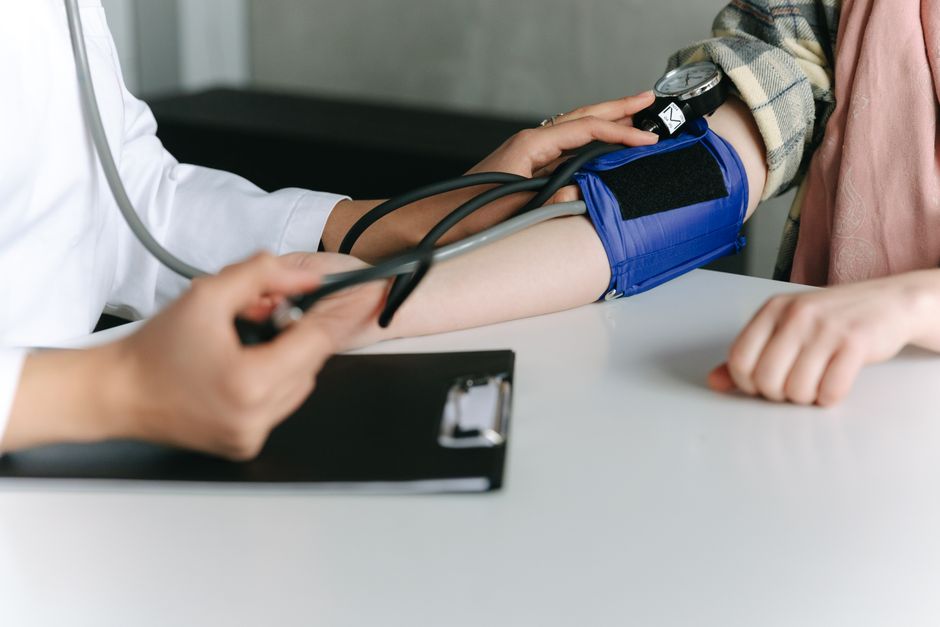
Blood pressure measures the force of blood pushing against your artery walls. A normal reading is below 120/80 mm Hg. The top number (systolic) measures pressure when your heart beats. The bottom number (diastolic) measures pressure when your heart rests between beats. Most adults should aim for readings consistently under 120/80.
What Are Good Blood Pressure Numbers For Adults?
The American Heart Association and the American College of Cardiology define normal blood pressure as less than 120/80 mm Hg. This is the target for most healthy adults. Numbers between 120-129 systolic and less than 80 diastolic are considered elevated. Stage 1 hypertension starts at 130/80. Stage 2 hypertension begins at 140/90 or higher.
A single high reading does not mean you have high blood pressure. Blood pressure fluctuates throughout the day based on activity, stress, and even the time of day. Doctors diagnose hypertension only after multiple elevated readings taken on different occasions. Home monitoring with a validated cuff gives a clearer picture than occasional office readings alone.
How Do Age and Health Conditions Change the Numbers?
Blood pressure targets are not one-size-fits-all. For most adults under 60, the goal remains below 130/80. For adults 60 and older without diabetes or kidney disease, the target is also below 130/80. The old rule that allowed higher numbers for older adults is no longer supported by research.
People with chronic kidney disease or diabetes have stricter targets. Evidence published in the Journal of the American Society of Nephrology shows that keeping blood pressure below 130/80 slows kidney damage. The American Diabetes Association recommends the same target for most people with diabetes. Some patients with heart failure or coronary artery disease may need even lower targets. Your doctor should set a personal goal based on your specific conditions.
| Category | Systolic (Top Number) | Diastolic (Bottom Number) |
|---|---|---|
| Normal | Less than 120 | Less than 80 |
| Elevated | 120-129 | Less than 80 |
| Stage 1 Hypertension | 130-139 | 80-89 |
| Stage 2 Hypertension | 140 or higher | 90 or higher |
| Hypertensive Crisis | 180 or higher | 120 or higher |
What Causes Blood Pressure to Be Too High?
Primary hypertension has no single cause. It develops gradually over years. Genetics play a major role. If your parents had high blood pressure, your risk is higher. Age is another factor. Blood vessels naturally stiffen over time, which increases pressure.
Lifestyle factors are deeply connected to blood pressure. A diet high in sodium is one of the strongest contributors. The average American consumes about 3,400 mg of sodium daily. The Dietary Guidelines for Americans recommend no more than 2,300 mg. The American Heart Association suggests an ideal limit of 1,500 mg for most adults, especially those already with elevated readings.
Obesity, lack of physical activity, and heavy alcohol use all raise blood pressure. Chronic stress also plays a role, though the exact mechanism is debated. Some studies suggest stress raises blood pressure temporarily. Whether it causes sustained hypertension is less clear. Smoking causes an immediate spike in blood pressure and damages artery walls over time.



What Does Research on Blood Pressure Targets Show?
The SPRINT trial published in the New England Journal of Medicine in 2015 changed how doctors think about blood pressure targets. Researchers assigned over 9,000 adults to either a systolic target of 120 or 140. The group with the lower target had 25% fewer cardiovascular events and 27% fewer deaths. This study provided strong evidence that lower is better for most adults.
Other research supports this finding. A 2021 analysis in The Lancet reviewed 48 studies with over 340,000 participants. It found that lowering systolic blood pressure by 5 mm Hg reduced the risk of major cardiovascular events by about 10%. The benefit was consistent across age groups and baseline blood pressure levels.
Some researchers argue that aggressive lowering can cause harm in certain populations. Older adults with frailty may experience dizziness and falls from very low blood pressure. People with blocked arteries in the brain may need higher pressure to maintain blood flow. These are exceptions, not the rule. Most adults benefit from keeping numbers in the normal range.
How Can You Lower Blood Pressure Naturally?
Dietary changes have the strongest evidence for lowering blood pressure. The DASH diet (Dietary Approaches to Stop Hypertension) is the most studied eating pattern. Research funded by the National Institutes of Health found that the DASH diet lowered systolic blood pressure by 8-14 mm Hg. The diet emphasizes fruits, vegetables, whole grains, lean proteins, and low-fat dairy. It limits red meat, sugar, and saturated fat.
Sodium reduction works even better when combined with the DASH diet. A study in the New England Journal of Medicine showed that combining DASH with low sodium lowered blood pressure as much as some medications. Potassium intake also matters. Foods like bananas, potatoes, spinach, and beans help counterbalance sodium. The recommended intake for adults is 4,700 mg of potassium daily, though people with kidney disease should check with their doctor first.
- Reduce sodium to under 2,300 mg per day
- Eat 4-5 servings of fruits and vegetables daily
- Limit alcohol to one drink per day for women, two for men
- Get 150 minutes of moderate exercise per week
- Maintain a healthy body weight
- Manage stress with techniques like deep breathing or meditation
What Are Common Misconceptions About Blood Pressure?
One widespread myth is that you can feel high blood pressure. Most people with hypertension have no symptoms at all. Headaches, dizziness, and nosebleeds are not reliable signs. The only way to know your blood pressure is to measure it. This is why hypertension is called the silent killer.
Another myth is that home monitors are not accurate. Validated home monitors are reliable when used correctly. The American Medical Association maintains a list of validated devices. The key is proper cuff size and positioning. A cuff that is too small will give falsely high readings. Sit quietly for five minutes before taking a measurement. Do not talk during the reading.
Some people believe that once blood pressure is normal, they can stop medication. This is dangerous. Lifestyle changes can lower blood pressure, but many people still need medication to maintain normal levels. Stopping medication without medical guidance can cause blood pressure to spike dangerously. Always talk to your doctor before making changes.
The idea that salt only affects people who are salt-sensitive is misleading. Research shows that sodium raises blood pressure in most people. The effect is stronger in older adults, African Americans, and people with existing hypertension. But even people with normal blood pressure benefit from reducing sodium intake.
Frequently Asked Questions
What is a normal blood pressure reading for a 60-year-old woman?
The target for adults 60 and older is below 130/80 mm Hg. Age alone does not justify higher numbers.
Can drinking water lower blood pressure quickly?
Water does not directly lower blood pressure. Staying hydrated supports overall cardiovascular function but does not replace medication or lifestyle changes.
Is 150/90 blood pressure dangerous?
Yes, 150/90 is stage 2 hypertension. It requires medical attention and lifestyle changes to reduce the risk of heart attack and stroke.
How often should I check my blood pressure at home?
Measure twice daily for one week before a doctor visit. Take readings in the morning before eating and in the evening before bed.
